Property Types We Roof
ROOFING SERVICES
Commercial Roof Leak Repair
Emergency Commercial Roof Repair
Commercial Roof Repair
Commercial Roof Inspection
Commercial Roof Maintenance
Commercial Roof Coating
Commercial Roof Replacement
ROOF SYSTEMS
TPO Roofing
EPDM Roofing
PVC Roofing
Modified Bitumen Roofing
Standing Seam Metal Roofing
PROPERTY TYPES
Warehouse Roofing
Distribution Center Roofing
Office Building Roofing
School Roofing
INDUSTRIES
DAMAGE REPAIR
CAPABILITIES
MANUFACTURERS
SERVICE AREAS
Office Building Roofing in Joliet, IL
Property Types We Roof
Plan office building roof repair or replacement in Joliet with tenant access, rooftop equipment, drainage and clean daily closeout in the scope.
Office Building Roofing
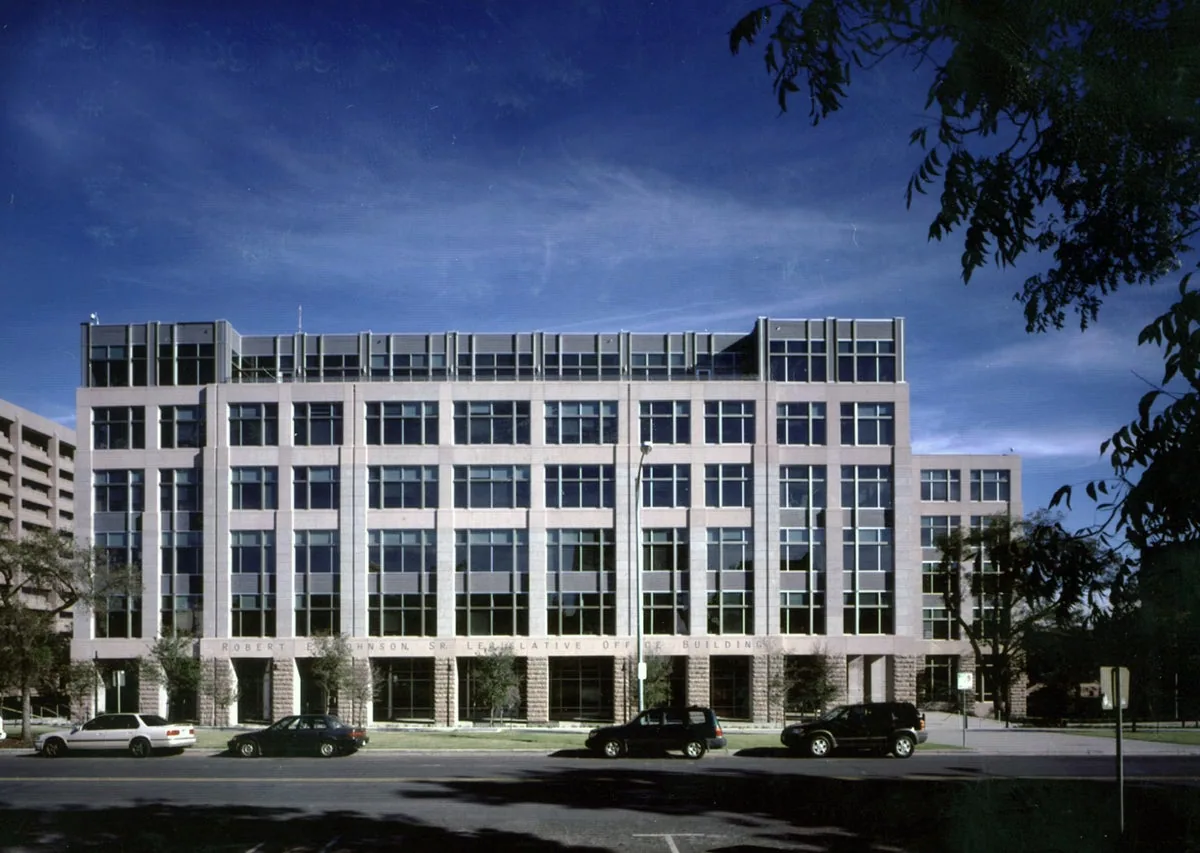
A reception desk can keep operating while the roof above it needs a repair boundary. In Joliet, the local economy includes an office market alongside logistics, manufacturing and retail. We plan office roof work around entry routes, meeting schedules, rooftop units and the areas that need interior protection. The first walk covers seams, drains, parapets, curbs and past repairs, then separates a localized leak from moisture that may extend through the assembly. We document each finding and map the work zone before material is ordered. A roof inspection can show whether a repair is enough, while occupied-building phasing defines access, daily dry-in and tenant communication. The goal is a scope the property manager can price and the general contractor can sequence without leaving the crew to decide at the roof edge.
Entry Routes and Interior Protection
Office work has several paths to keep clear: the main entrance, accessible routes, fire exits, loading access and the roof access point itself. We mark where materials arrive, where a lift can operate and what area needs a barrier below. If a ceiling stain is active, we photograph the interior symptom and trace the likely roof detail before setting a repair boundary. Moisture readings can point toward an area for further review, but a test cut is needed when the assembly must be confirmed. We keep the test locations and repair limits in the report so the owner can see why one room needs protection while another does not. A moisture survey can complement a hands-on inspection; the result is most useful when tied to specific seams, drains or penetrations rather than described as a building-wide conclusion.
Drainage, Membranes, and Rooftop Units
Office roofs often combine membrane field, parapet walls, drains and equipment curbs that have been serviced at different times. We inspect each transition for open seams, loose terminations, failed sealant and movement around supports. At the drains, we check bowls, strainers and low areas to see whether water can leave the roof. A new insulation layer can change drain height, so the repair or replacement detail must preserve the water path. The roof system may be TPO, EPDM or another assembly; we identify what is present before recommending a tie-in. If the issue is isolated, a repair scope can define a limited boundary. Where evidence points to widespread moisture or attachment failure, the proposal should explain a larger removal line instead.
Seasonal Work and Storm Review
Joliet's climate record helps set seasonal access expectations, but it cannot identify a roof defect. The July 2023 NWS Chicago summary documents a tornado moving from Minooka through Shorewood toward Joliet, with hail and wind in the broader I-80 and Kankakee River Valley area. At an office property, we tie any reported interior leak to its floor, workspace or mechanical room, then inspect the roof area directly above and adjacent transitions. The record distinguishes verified impact from pre-existing wear and notes any temporary protection needed. A storm assessment separates urgent dry-in from permanent repair and keeps dated findings with the property record.
Heat and cold affect how work is staged, not just when it is scheduled. We plan the daily section size, temporary cover, safe roof access and drain protection around forecast conditions. If a storm interrupts a phase, the crew closes the planned opening and records the remaining work rather than leaving an undefined area. For a repair that can wait until a safe window, we note what temporary protection is needed and what detail should be rechecked. The property manager can then coordinate tenant notices and equipment access against a specific roof zone. This is more useful than a general weather statement because it ties the season to a material, a transition or a work handoff on the office roof.
Repair Scope or Full Replacement
The choice between repair, recover and replacement follows the membrane, insulation and deck findings. We check the existing layers and take test cuts where moisture is suspected. If the wet area is limited and attachment remains sound, a targeted repair may restore the detail. If moisture extends across adjoining sections, or the deck needs work, replacement planning should define the removal boundary and new assembly. A recover option is considered only when the existing roof can support another layer and its height still works at drains and edges. For a coating system, restoration also depends on substrate, adhesion and the condition of seams and flashings. We explain the preparation and exclusions that each route requires, so the owner can compare scope rather than simply compare product names.
A Useful Building File
We provide photographs and notes that connect the repair to the observed condition. The file can identify test locations, drains, flashings, rooftop unit handoffs, materials installed and follow-up items. If a concealed deck issue changed the work, it records where that condition appeared and how the repair boundary moved. A roof condition report can support capital planning, and preventive maintenance can keep drains and transitions on a scheduled review. For an office property with adjoining medical office space or healthcare buildings, we document each roof separately because occupancy and equipment needs differ. Joliet's business and industrial park network includes varied property uses; each office roof needs its own field survey. The building record should show its own assembly and work sequence. We also identify any area where tenant access or mechanical work delayed completion, and note what was protected until the next shift. If the office has a roof addition or a different membrane over one wing, we label the boundary and keep its observations separate. That avoids carrying a repair decision from one roof area into another without confirming the deck, insulation and drainage. A future reviewer can then compare the same detail rather than relying on a general note about the property.
Commercial Roofing Questions
How do you plan roof repairs around office tenants?
We map entry and exit routes, work hours, interior protection and the areas that cannot be blocked. The property contact sets tenant notices and any restricted access window. We then divide the roof into daily sections with an agreed dry-in point and confirm the equipment trade handoff before touching an active curb.
What does an office roof inspection include?
We record membrane seams, drains, parapets, curbs, penetrations, prior patches and any interior symptom reported. Where moisture is suspected, we identify whether a reading or test cut is needed to confirm the assembly. The report connects those observations to a repair boundary and notes conditions that could change it.
Can rooftop units remain on during reroofing?
That decision belongs to the facility and equipment trades. We identify the unit, access route and flashing detail, then schedule any isolation or reset with the responsible contractor. If a unit remains operational, the scope states how the crew protects its service area and closes the surrounding roof section.
When should an office owner compare replacement with a repair?
A repair can suit isolated damage with sound surrounding layers. Widespread wet insulation, loose attachment or deck deterioration can support a larger replacement boundary. We document test locations and explain the scope line for each option, including the added work needed at drains, edges and equipment curbs.
What will the property manager receive after work?
The closeout can include photos, materials, repaired details, test results, equipment handoffs and follow-up items. We keep confirmed work separate from conditions that were concealed. Those records help schedule maintenance and make a later inspection easier to compare with the completed roof work.
Set the Office Roof Work Window
Arrange a Joliet, IL roof walk to review tenant access, drains, equipment and the areas that need interior protection. We will document a repair boundary and sequence the property team can use.
