
Commercial Roofing Services
ROOFING SERVICES
Commercial Roof Leak Repair
Emergency Commercial Roof Repair
Commercial Roof Repair
Commercial Roof Inspection
Commercial Roof Maintenance
Commercial Roof Coating
Commercial Roof Replacement
ROOF SYSTEMS
TPO Roofing
EPDM Roofing
PVC Roofing
Modified Bitumen Roofing
Standing Seam Metal Roofing
PROPERTY TYPES
Warehouse Roofing
Distribution Center Roofing
Office Building Roofing
School Roofing
INDUSTRIES
DAMAGE REPAIR
CAPABILITIES
MANUFACTURERS
SERVICE AREAS
Commercial Roof Coating in Joliet, IL
Commercial Roofing Services
Evaluate commercial roof coating in Joliet with substrate, adhesion, drainage and detail checks before restoring a sound roof surface.
Commercial Roof Coating
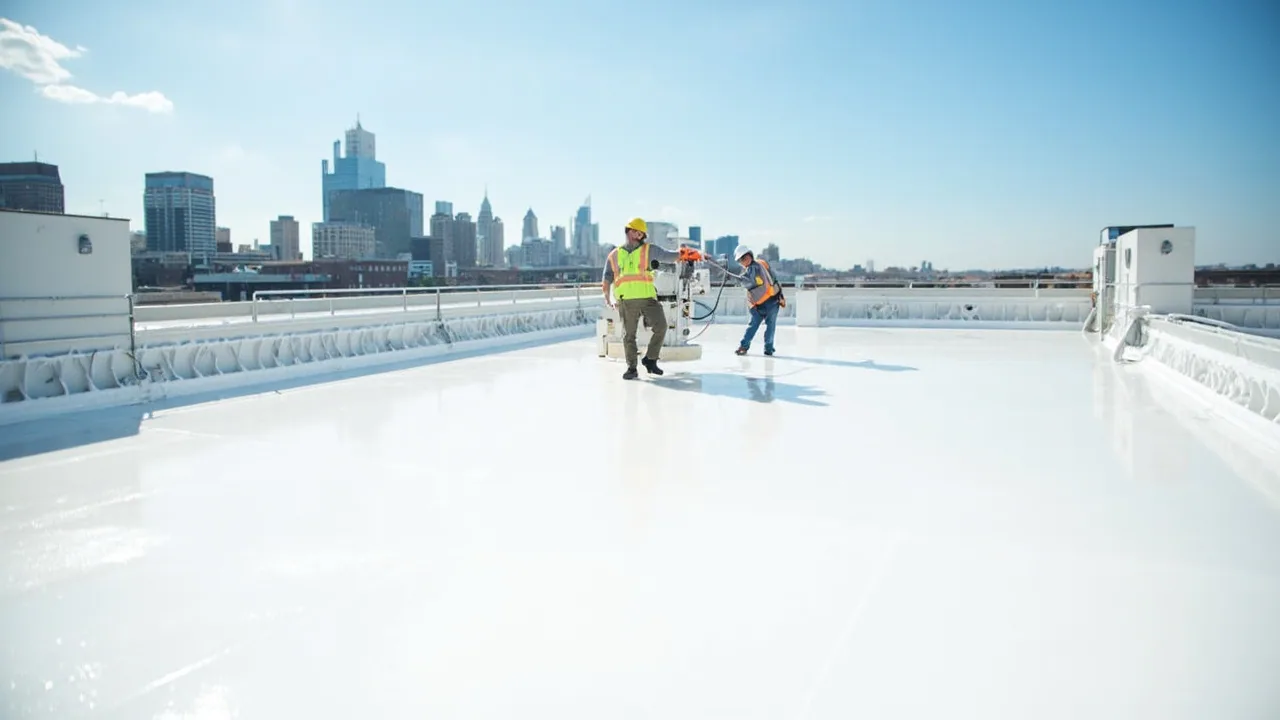
A coating crew should not arrive until the existing roof has been checked for moisture, adhesion and repair needs. A coating can restore a suitable surface, but it cannot correct saturated insulation, failed attachment or a deck problem below it. We inspect seams, flashings, drains and previous repairs, then test whether the substrate can accept the proposed coating system. Joliet's mix of logistics, manufacturing, retail and office activity creates different access and staging needs, so a restoration scope has to fit both the roof and the work below. At a distribution property, the plan may need to keep dock doors and crane access clear. At an office, it may require separation from occupied areas and rooftop equipment. The survey establishes whether a coating is appropriate or whether a repair or replacement scope is the clearer choice. We document the roof condition before the coating option is priced, then identify surface preparation, flashing details and drainage corrections that belong in the work sequence.
Sound Surface and Adhesion
The roof surface must be clean, dry and stable enough for preparation and adhesion. We remove loose coating, dirt and contaminants from selected areas, repair open seams and confirm that the existing membrane is not separating from the substrate. Adhesion tests help assess compatibility at representative locations, while moisture readings and core cuts investigate suspect insulation. If a coating would trap water or cover a failed detail, that section needs repair or removal before restoration. We mark the test areas and tie results to the roof plan, so the scope says which field sections qualify and where additional work is required. Joliet receives regular precipitation and has many freeze-thaw days; surface condition and weather window matter when preparing and applying a system. We also check that the selected coating is compatible with the existing roof material. For exposed membrane problems, a repair detail may need to be completed before the coating goes down. A moisture survey can help identify locations for further confirmation.
Flashing, Penetrations, and Drainage
Coating work includes details, not only the open roof field. We inspect terminations, curbs, pipe supports, skylights, drain bowls and edge metal, then identify which locations need reinforced flashing or separate repair. Water that remains at a low area can affect the coating choice and the timing of future maintenance. The roof also needs clear outlets and overflow paths after the finished surface is installed. We correct debris or limited slope concerns only where the project scope includes that work. In Joliet, cold-season snow and freeze-thaw can test drain transitions, while summer temperatures can affect exposed surfaces. Damaging hail and wind affected the regional I-80/Kankakee River Valley area, and a July 2023 tornado crossed Minooka, Shorewood and Joliet. For coating scope, those records support a careful post-event inspection of punctures and edge details; they do not establish damage at a specific property. If coping or edge metal is loose, we coordinate perimeter repair before coating seals the adjacent field.
Preparation and Application Window
Preparation often determines how much work fits into a shift. We identify cleaning methods, repair cure time, access routes and sections that can be prepared without exposing occupied spaces or active equipment. The coating product and application method follow the manufacturer's published system requirements, substrate type and the conditions at the roof. We confirm dry time, dew or rain exposure and the return interval before scheduling adjacent trades. A manufacturer specification is not a substitute for field preparation; seams, corners and penetrations still need a clean, stable base. Joliet's freight-oriented operating area includes the Elwood/Joliet subregion and intermodal access, so delivery staging can be a constraint at some sites. We coordinate material storage, lift placement and the sequence of roof sections with the general contractor. A coating plan can be phased to protect a building's loading pattern, but only if each section can be prepared, applied and protected within suitable conditions. The work plan records start and stop points for each area.
At a test area, we compare preparation and adhesion with the conditions across the roof field, then record which surfaces need additional repair. The test does not settle the full scope if the roof changes from one section to another. We identify those transitions and plan separate preparation where old repairs, different membrane types or roof additions meet. A coating system such as silicone roof coating may be considered only after the substrate and drainage review supports it. We confirm the product requirements with the technical data and carry the same preparation and application assumptions into the bid. That allows the general contractor to compare the proposed restoration with replacement using the same roof map and clearly stated exclusions.
Inspection and Maintenance After Coating
At closeout, we document the surface preparation, repairs and coated areas, then photograph transitions and terminations. The owner should be able to see what the coating covers and which details received separate reinforcement. Future maintenance checks drains, seams, penetrations and areas exposed to rooftop service traffic. If a coating is damaged by equipment work, the maintenance record helps identify the compatible repair method. A scheduled roof maintenance visit can keep those observations current. For a capital decision, we connect the coating report to a condition record that tracks areas still needing repair or replacement. For Joliet's logistics and industrial properties, the service plan also leaves clear access for rooftop units and future trade handoffs. The work schedule must name who restores each flashing after equipment service. At a building in Romeoville's Weber Road employment corridor, we confirm the gate, truck turn, crane location and laydown area with the site contact before dividing coating work into phases; the approved route also protects other trades and service paths.
Commercial Roofing Questions
How do you decide whether a roof is suitable for coating?
We examine membrane condition, attachment, moisture, drainage, penetrations and edge details, then use selected tests to check compatibility and adhesion. A roof with widespread wet insulation or failed attachment needs a different scope. The report identifies qualifying areas and the work required before a coating is considered.
Can a coating cover a roof that already leaks?
An active leak should be traced and repaired before coating work begins. We check the opening, wet insulation and adjacent details, then confirm the repair is sound and the substrate can be prepared. Coating over an unresolved water path can conceal a defect without correcting it.
Does coating correct ponding water?
A coating follows the roof surface and does not create drainage slope by itself. We inspect drains, overflows and low areas, then separate cleaning or repair from any tapered insulation or drainage redesign. The project scope should identify which condition is being corrected before application.
How does weather affect application timing in Joliet?
The product, substrate and current roof conditions control the work window. We review surface dryness, temperature, dew and rain exposure before preparing each section. Joliet's seasonal freezing and warm periods make scheduling and protection part of the scope, and each applied area must remain within the specified cure conditions.
What should the closeout report include?
The record should identify prepared and coated areas, repaired details, application conditions noted by the crew and photographs of terminations, drains and penetrations. We also list exclusions or areas still needing separate work, so future maintenance does not mistake an uncoated section for a completed restoration.
Confirm the Roof Is Ready for Restoration
Arrange a roof walk and test area with our team. We will review substrate condition, drainage, adhesion and access before deciding whether coating work fits the field conditions.
