Industries We Serve
ROOFING SERVICES
Commercial Roof Leak Repair
Emergency Commercial Roof Repair
Commercial Roof Repair
Commercial Roof Inspection
Commercial Roof Maintenance
Commercial Roof Coating
Commercial Roof Replacement
ROOF SYSTEMS
TPO Roofing
EPDM Roofing
PVC Roofing
Modified Bitumen Roofing
Standing Seam Metal Roofing
PROPERTY TYPES
Warehouse Roofing
Distribution Center Roofing
Office Building Roofing
School Roofing
INDUSTRIES
DAMAGE REPAIR
CAPABILITIES
MANUFACTURERS
SERVICE AREAS
Commercial Roofing for Logistics and 3PL Operators in Joliet, IL
Industries We Serve
Coordinate warehouse roof repair and replacement in Joliet around docks, freight schedules, drains and crane access. Set work zones with a daily dry-in plan.
Commercial Roofing for Logistics and 3PL Operators
Intermodal schedules leave little room for a delivery that blocks the wrong dock. In Joliet, logistics and 3PL buildings depend on loading lanes, trailer movement, cross-dock operations and equipment access, so roof work needs a route and staging plan before materials arrive. We inspect the membrane, seams, drains, curbs, rooftop units, parapets and previous repairs, then divide the roof into sections that can close safely each shift. Joliet's regional freight inventory includes five Class I railroad operating tracks, ten highway connections on I-80/I-55 and nearby intermodal terminals. Those connections define the regional context, not a particular warehouse's operating plan. A phased roof sequence can fit an active distribution schedule when the site confirms dock, yard and gate constraints. The Joliet-Elwood freight study area is a broad local reference for the market.
Dock Access and Roof Staging
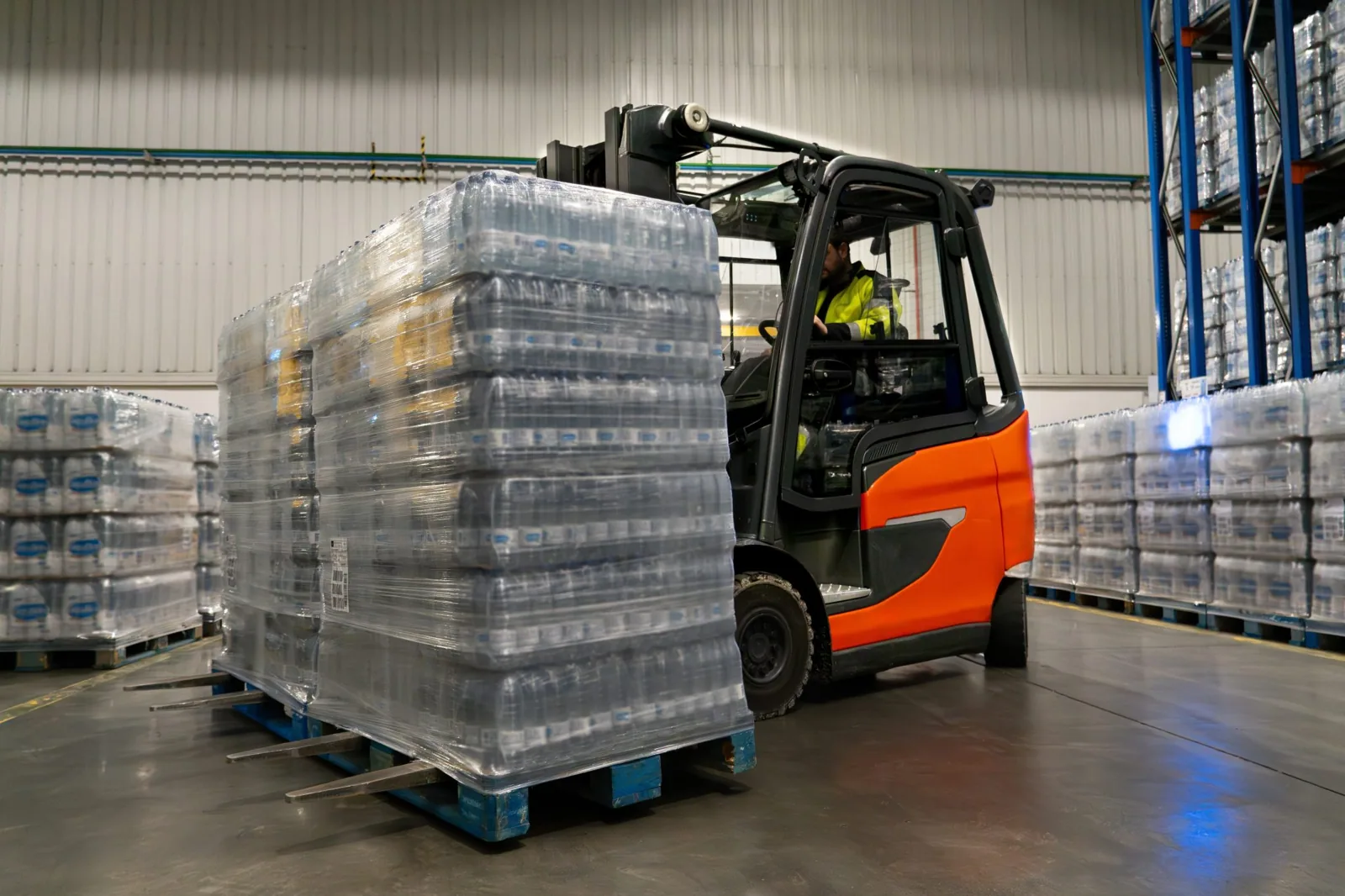
We begin below the roof, where a blocked trailer lane or closed fire access can interrupt the operation. The site contact identifies receiving hours, yard circulation, gate controls, dock doors and the areas reserved for emergency response. From there we confirm where a material truck can unload, whether a crane can set up and how crews reach the roof without crossing active equipment movement. A marked logistics plan shows delivery windows, staging zones and the path from gate to lift. The roof scope also records ladder, hatch and tie-off locations so the work area does not interfere with facility access.
Will County's accepted Joliet Intermodal Transportation Master Plan covers the Elwood/Joliet subregion and prioritizes freight-oriented roadway investment around freight clusters. That is a regional planning fact, not a site access permit. At a 3PL building, the dock master still determines when a lane can close and which loading face stays in service. We confirm that information before selecting phases or crane picks. If the property lies near Elwood International Port, the broader industrial setting may help frame the delivery conversation, while the property's own circulation plan controls execution.
Drainage Under Continuous Operations
Warehouse leaks often appear far from the roof detail that admitted water. We compare reported interior locations with membrane seams, curb corners, wall transitions, drain bowls and low areas, then mark each inspection zone. If the roof shows water migration beneath the membrane, a test opening can establish whether insulation or deck needs to be included. The work order distinguishes temporary containment from a permanent repair and lists the area that must stay protected around inventory or handling equipment. A leak repair scope should state the boundary and the dry-in plan, not just the visible ceiling location.
Joliet's climate station averages 16.9 inches of snowfall each year. For a distribution operation, that number is a prompt to review melt paths, roof drains and access before the winter service window, not a claim that a roof is currently blocked. We confirm outlet condition, low areas and the route around active inventory or conveyor zones during the visit. If a drain clears but ponding remains, the report distinguishes maintenance from a slope or assembly correction.
Assembly and Repair Boundaries
A single loose lap may call for a focused repair when the surrounding membrane is sound. Repeated seam separation, wet insulation, failed attachment or damaged deck can move the scope toward replacement. We inspect the existing assembly and record roof system, layer depth where confirmed, attachment, edge condition, equipment and drain locations. A TPO system or EPDM assembly needs compatible repair details, and the final specification must match the installed material and project requirements. We do not apply a generic patch across different membranes.
Cost drivers include tear-off depth, deck repair, insulation replacement, curb modifications, edge metal, drainage upgrades, lift access, disposal and the number of shifts available for a secure dry-in. A replacement scope can break out known work and allowances for hidden conditions. Since November 30, 2025, privately funded commercial facilities have followed the amended 2024 Illinois Energy Conservation Code, so roof assembly and insulation documents need coordination before review. That may affect insulation decisions and the review schedule before procurement.
Phases That Keep Freight Moving
Each phase needs a defined start, stop and weather closure. We identify how much roof can be opened during a shift, where temporary materials can sit and which drains must remain clear. The site team can select a sequence that keeps one dock face operating while work moves to another, when roof layout and access allow. Crane picks are coordinated with truck circulation, yard rules and the areas below the lift. If the facility uses multiple shifts, we agree on handoff times and leave a current roof-zone plan for the incoming contact. A building portfolio record can preserve those phase notes for ownership and maintenance teams.
Romeoville's comprehensive plan locates employment centers near Weber Road and the Lewis University district. Operators serving those areas still need to confirm each building's truck route, gate procedure, dock availability and staging area. For an operator serving that corridor, the contractor confirms the actual property address, gate procedure, dock availability and staging area before booking a delivery. A corridor roof walk can be arranged around nearby jobs, but each building retains its own leak map, roof assembly and tenant schedule. The work sequence follows those field conditions rather than a presumed standard warehouse layout. Roof phasing at manufacturing buildings brings similar trade questions, with plant operations setting its own order.
Post-Event Inspection and Closeout
Will County and Joliet are covered in NWS Chicago's regional severe-weather records, which include tornado and hail history. A distribution building still needs a property-level review: we photograph membrane, edge metal, penetrations and equipment, then label observations to the roof plan. A regional track cannot establish that a center or its inventory bay was affected. Where the inspection confirms an impact, a hail review can document the area and identify any opening needed to verify concealed conditions.
Closeout identifies completed work, drains checked, penetrations restored and items waiting on a mechanical or electrical trade. We mark roof areas with photos, list unresolved conditions and note the next maintenance visit. For operators working across Joliet and Romeoville, consistent records help coordinate portfolio planning while keeping each property's history distinct. Commercial Roofers Joliet can meet with operations and facilities to set the access plan, mark the repair boundary and agree on a daily dry-in point before a crew is scheduled.
Commercial Roofing Questions
Can you reroof around a distribution center's dock schedule?
We confirm dock hours, truck paths, yard limits and the roof zones that can close before setting the phase plan. The crew needs a material route and daily dry-in point that fit the facility's actual circulation and shift handoff.
What should a warehouse leak scope include?
It should mark the roof zone, likely water path, observed membrane or flashing condition, repair boundary and temporary closure plan. If moisture may extend below the surface, we identify the opening needed to confirm insulation or deck condition.
How do crane picks affect roof replacement?
Crane location, reach, lift weight, panel or membrane delivery and yard access all shape the sequence. We coordinate setup and the exclusion area with the site contact so the lift does not conflict with docks or emergency routes.
Does hail damage always require a full roof replacement?
The inspection records the affected materials, seams, penetrations and perimeter details. A localized repair may fit when the surrounding assembly remains sound; widespread damage or concealed moisture can lead to a larger scope after confirmation.
How do you protect freight operations at shift end?
We plan a secure closure for the area opened that day, protect materials and keep drains clear. The roof-zone record shows completed work and any remaining trade handoff, so the facility contact can see what returns to service.
Plan Around the Dock Schedule
Arrange a roof walk with Commercial Roofers Joliet and your operations contact. We will trace the reported conditions, confirm staging and crane access, and set a phase boundary with a dry-in point that fits the freight schedule.
