Property Types We Roof
ROOFING SERVICES
Commercial Roof Leak Repair
Emergency Commercial Roof Repair
Commercial Roof Repair
Commercial Roof Inspection
Commercial Roof Maintenance
Commercial Roof Coating
Commercial Roof Replacement
ROOF SYSTEMS
TPO Roofing
EPDM Roofing
PVC Roofing
Modified Bitumen Roofing
Standing Seam Metal Roofing
PROPERTY TYPES
Warehouse Roofing
Distribution Center Roofing
Office Building Roofing
School Roofing
INDUSTRIES
DAMAGE REPAIR
CAPABILITIES
MANUFACTURERS
SERVICE AREAS
Warehouse Roofing in Joliet, IL
Property Types We Roof
Plan warehouse roof repair or replacement in Joliet with drainage, loading, insulation and crane access considered in the work sequence.
Warehouse Roofing
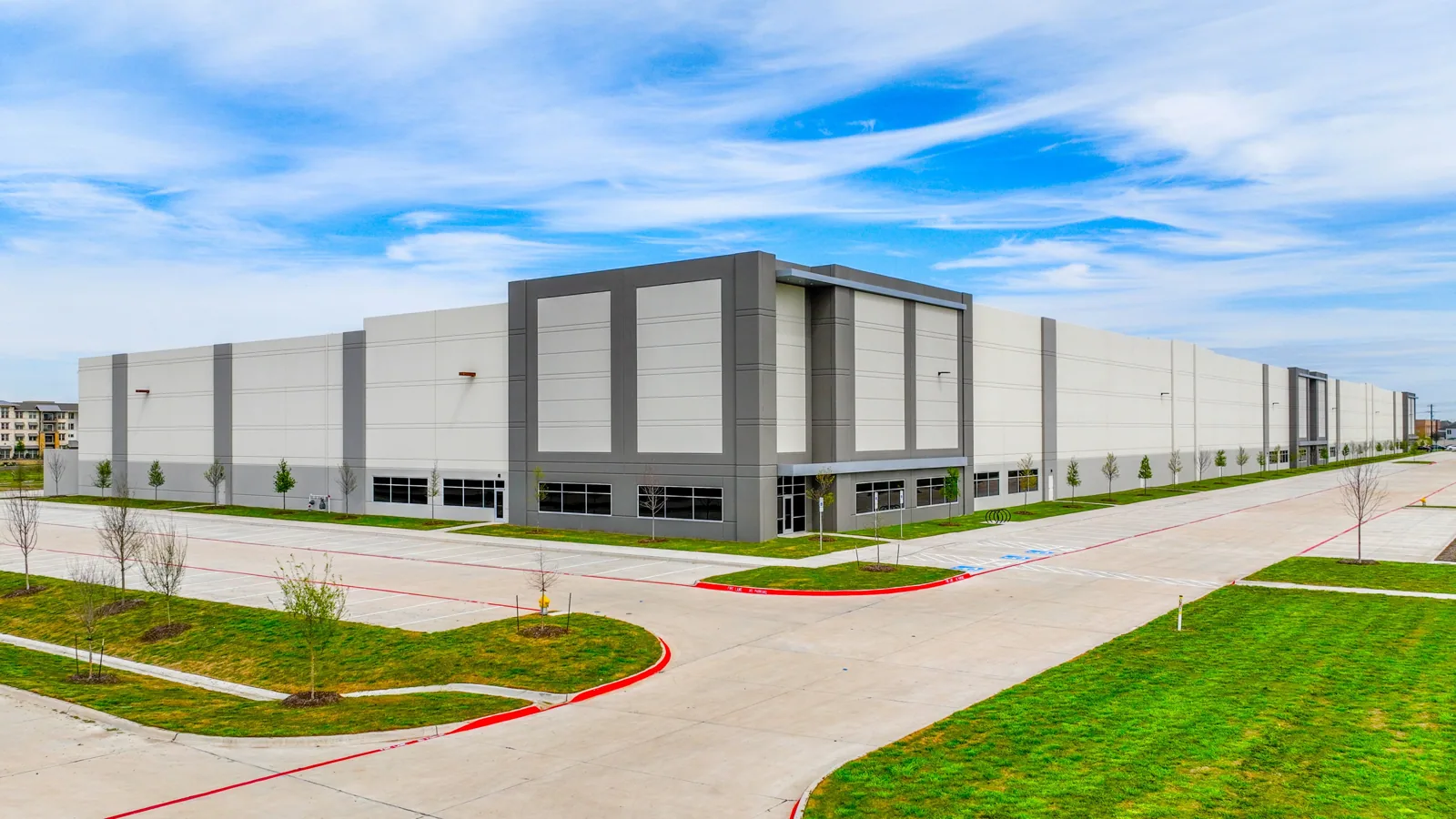
A dock schedule can decide where a warehouse roof crew starts long before the first membrane is removed. In Joliet, freight activity across the Elwood/Joliet subregion makes staging, loading patterns and dry-in part of the roof scope. We walk the field, drains, curbs, edge metal and rooftop equipment, then mark which areas need repair, selective replacement or a new assembly. We trace the path through insulation, deck and transitions, and document the conditions that change the work. That gives the general contractor a usable sequence for crane picks, deliveries and trade handoffs. The same review can compare a focused commercial roof repair with a larger replacement scope. When active loading doors or tenant routes constrain access, we plan roof zones around those movements instead of treating the building as empty space.
What the Warehouse Roof Shows
We begin where water, traffic and equipment meet: drain bowls, wall transitions, expansion joints, curbs and the routes used to reach rooftop units. A warehouse may have long membrane runs, but details at each interruption often determine whether a repair can remain local. We check seams, fasteners, flashing terminations, surface wear and prior patches, then look beneath selected areas where moisture is suspected. Infrared readings can help locate temperature differences, while test cuts confirm whether insulation is wet. The repair boundary should follow those findings. If the deck is sound and moisture is limited, a targeted repair or recover may preserve more of the existing assembly. If wet insulation or failed attachment extends through several bays, replacement planning needs a different removal line. We document the evidence and note each assumption before the team prices disposal, cover board, insulation and membrane. A moisture survey paired with a hands-on inspection can make that boundary easier to discuss before procurement begins.
Drainage and Loading Patterns
A loaded warehouse does not have much room for an avoidable roof interruption. We locate drains and scuppers, check for debris or damaged clamping rings, and observe where ponding remains after a dry period. A low area can point to deflected deck, settled insulation or an original slope condition; the remedy changes with the cause. Adding material over a drain without correcting its bowl height can leave water standing at the same edge. We map the flow path and keep the roof plan tied to the floor's loading zones, trailer circulation and interior inventory exposure. The Elwood/Joliet area is a critical freight subregion, where staging and access can influence sequencing even when roof work stays above. We coordinate lift locations, material drops and protected pedestrian routes with the site contact. If deliveries cannot pause, smaller work zones and end-of-shift dry-in may make the difference between a workable phase and an unsafe handoff. For visible ponding, our ponding-water repair review separates drainage correction from membrane patching.
Winter Loads and Summer Heat
NWS Chicago's July 2023 report describes a tornado path through Minooka, Shorewood and Joliet, with hail and wind noted across the region. A warehouse inspection checks confirmed roof conditions rather than treating the event report as evidence of damage. We log each observation by roof zone and dock-side bay, then compare it with the facility's leak or maintenance record. That keeps current impact separate from older wear and identifies where temporary protection is justified. Our storm-damage response can document conditions for an insurance review without predicting its result.
Tear-Off, Crane Picks, and Dry-In
Before replacement, we identify roof areas that can open together and those needing separate protection. A crane pick may have to clear truck lanes, utilities and public access; material staging needs enough room to keep bundles stable and travel paths clear. We confirm which rooftop units can stay in service, who handles disconnections, and how each curb or penetration will be flashed after reset. At the start of a shift, the crew opens only the area that can be protected and closed within the planned window. If rain interrupts the sequence, temporary protection and a clear daily stop point matter more than a broad promise about weather. A recover can avoid some tear-off but only when the existing assembly, attachment and moisture condition support it. We compare that option with roof recover work and with complete replacement, including how added assembly height affects edges and equipment. Romeoville employment areas near Weber Road and I-55 include warehousing and manufacturing corridors, with delivery timing and access varying by property. We review TPO and EPDM against the existing deck, drainage and expected rooftop activity.
A Scope the Site Can Use
A useful warehouse proposal distinguishes what is visible from what remains concealed. Our written condition report records photographs, test locations, seam and flashing conditions, drain observations, and the repair limits supported by the inspection. Where a test cut reveals wet insulation or a deck issue, we describe the decision point and how a changed boundary would affect the sequence. The scope also identifies protection below, equipment coordination, access routes, staging zones and the planned dry-in at each phase. Those details help the general contractor compare bids on the same work rather than on a material name alone. We can include repair, coating or replacement options when the assembly supports more than one path. A condition report can feed capital planning, while occupied-building phasing accounts for the work happening below. For a distribution center or manufacturing plant in Joliet's business and industrial park network, we keep each building's findings and scope line distinct. The field record identifies where work begins, what can remain, and which approval or trade-coordination questions belong in the schedule.
Commercial Roofing Questions
How do you keep a warehouse dock available during roof work?
The loading pattern sets the staging and access plan. We map active doors, truck paths, lift locations and pedestrian routes, then divide roof work into sections that can be protected and dried in within the agreed shift. A roof walk with the site contact identifies doors that cannot close and the point where deliveries need uninterrupted access.
What changes the repair boundary on a warehouse roof?
Moisture beneath the membrane and the condition of the deck usually change the line. We pair visual review with selected infrared checks or test cuts, then mark sound areas separately from wet insulation, loose attachment or deteriorated flashing. That evidence helps compare a local repair, a recover and removal without using the leak location as the only guide.
Can a warehouse roof be replaced while inventory stays inside?
The answer follows the building's interior protection needs and the size of each daily opening. We plan tear-off limits, temporary cover and dry-in points with the project team, and coordinate equipment or ceiling areas that need special protection. The schedule should state who clears access, who moves rooftop units and when each section returns to service.
When is a recover a poor fit for a distribution building?
A recover is a poor fit when trapped moisture, weak attachment, damaged deck or added height prevents a reliable assembly. We inspect those conditions before recommending another layer. If test cuts show widespread wet insulation, removal gives the team a chance to address the substrate and drainage rather than concealing the condition beneath a new surface.
What should the bid package say about crane picks and rooftop equipment?
List pick areas, equipment shutdowns, curb work, utility protection and the party responsible for each trade handoff. We can mark those items during the roof walk and separate assumed work from confirmed repairs. That gives the general contractor a schedule and scope line that can be adjusted if concealed conditions appear after tear-off.
Set the Warehouse Roof Sequence
Arrange a roof walk in Joliet, IL to review drains, loading access, moisture findings and the sections that can be safely opened. We will document the repair boundary and schedule questions before the scope is priced.
