Roof Systems
ROOFING SERVICES
Commercial Roof Leak Repair
Emergency Commercial Roof Repair
Commercial Roof Repair
Commercial Roof Inspection
Commercial Roof Maintenance
Commercial Roof Coating
Commercial Roof Replacement
ROOF SYSTEMS
TPO Roofing
EPDM Roofing
PVC Roofing
Modified Bitumen Roofing
Standing Seam Metal Roofing
PROPERTY TYPES
Warehouse Roofing
Distribution Center Roofing
Office Building Roofing
School Roofing
INDUSTRIES
DAMAGE REPAIR
CAPABILITIES
MANUFACTURERS
SERVICE AREAS
Standing Seam Metal Roofing in Joliet, IL
Roof Systems
Plan standing seam metal roof replacement and repair in Joliet with panel, clip, flashing, thermal movement and crane sequencing details.
Standing Seam Metal Roofing
A roof hatch does not tell the crane operator where a long panel can turn or land. Standing seam metal roofing needs a panel layout, secure clip attachment and detailed flashing at every transition. In Joliet, a warehouse or manufacturing building may keep loading lanes and service areas active while roof panels are removed and installed. We review the framing, slope, panel lengths, existing seams, penetrations and perimeter before setting the work zones. The roof plan identifies where panels can be staged and which details require separate trades. Snow, freeze-thaw and summer heat affect how the metal moves and how water is directed off the roof. We inspect ridge, eave, rake and valley conditions before recommending repair or replacement. A roof condition review records the attachment and flashing concerns. We compare a standing seam system with metal roof retrofit work when an existing exposed-fastener roof may be suitable for restoration. For a site in Joliet, material delivery and lift plans belong in the scope from the start. A low-slope EPDM system comparison separates sheet roofing from formed metal panels.
Panels, Clips, and Thermal Movement
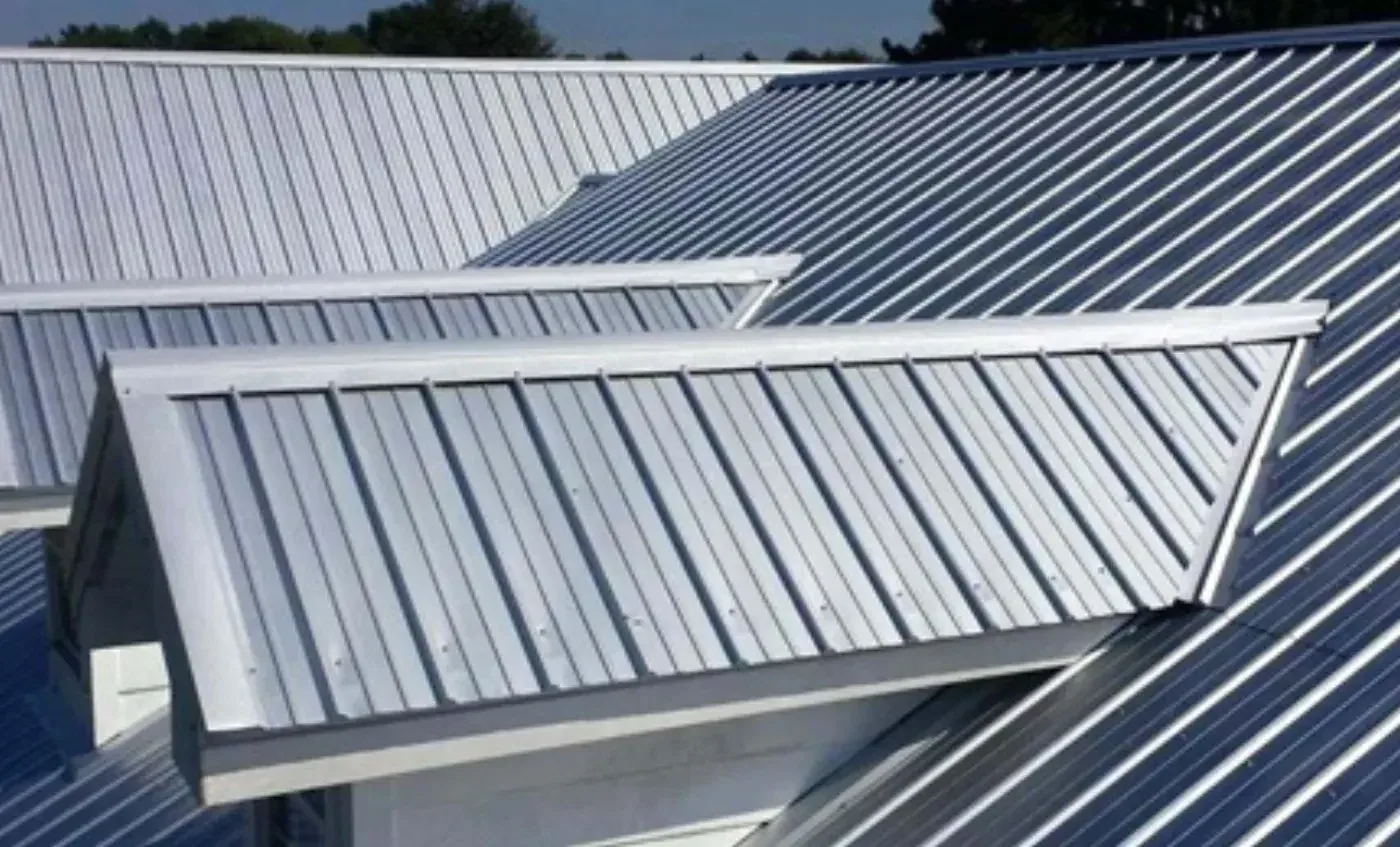
Standing seam panels join along raised seams, concealing many fasteners and allowing the assembly to move as temperatures change. Clips connect the panel to the deck or framing while accommodating designed movement. Panel profile, metal thickness, finish, clip spacing and substrate all need to match the project design and loads. We inspect the existing roof for loose seams, oil canning, corrosion, fastener problems and deformation around equipment. If replacement is planned, we confirm framing support and panel lengths before materials are released. A panel that is too long for safe lifting or staging can change the crane plan and work sequence. The GC should coordinate the roof layout with structural review and manufacturer system details.
Flashings make the panel field work at ridges, eaves, valleys, walls and penetrations. A pipe boot or equipment curb may interrupt a seam or require a custom transition. We identify each condition on the roof plan and determine which details can be fabricated before mobilization. Gutters and edge metal need a secure connection that carries water away without trapping it behind the panel. Where a panel meets an existing membrane, a transition detail must manage drainage and movement across both systems. A coping and edge-metal scope can address perimeter components alongside the panels. We photograph difficult details during the survey so submittals reflect actual field geometry rather than a generic section.
Snow, Wind, and Roof Drainage
Standing-seam details should be reviewed against the local seasonal baseline: Joliet records 16.9 inches of annual snow and 125.8 freezing-minimum days. We trace valleys to their outlets, examine eave closures and inspect snow-retention attachments, then compare the roof's measured slope and framing with the drainage path. A July 2023 tornado route through Minooka, Shorewood and Joliet and separate hail or wind reports near I-80 and the Kankakee River Valley provide historical context only. The panel survey notes actual dents, clip movement or flashing change before a repair or replacement is scoped. Related project details: snow and ice damage review
A second check focuses on whether snow guards, clips and valley pans still have clear movement and drainage paths. The area reference is 16.9 inches of average yearly snowfall, with 125.8 days when minimum temperatures are freezing or lower. We use those values to frame the inspection, then record the roof's own slope, outlet condition and attachment pattern. If ice or retained water is reported, photos identify the exact eave or valley observed; they do not imply the same condition across every panel run.
A 2023 tornado path ran through Minooka, Shorewood and Joliet; hail and wind reports also refer to the I-80 and Kankakee River Valley area. That history helps frame inspection questions, but does not set repair quantities on a standing-seam roof. We document panel impact, clip condition, ridge and eave transitions by slope, then mark any seam requiring closer access. Cosmetic marks remain separate from confirmed openings. The owner receives a roof-zone record distinguishing observed damage from any area that could not be safely inspected.
Repair Limits and Replacement Planning
Repairs may address a separated seam, damaged panel, failed fastener, corroded edge or leaking penetration. We determine whether a panel can be repaired in place, needs a section replaced or has a substrate problem below it. Sealant over a moving seam may only delay another leak. A permanent repair restores the detail and accounts for thermal movement and water direction. If corrosion has affected multiple panels or fastener lines, the repair boundary may need to widen. Photographs and panel locations give the GC a clear scope and show what remains under observation.
Replacement cost follows panel length, profile, metal selection, framing repairs, valleys, curbs, edge metal, demolition, lift access and staging. Long panels need room to unload, support and raise safely; a site with active docks may require smaller delivery windows or separate crane picks. We sequence removal so the open roof area remains manageable and temporary dry-in can be established if weather changes. A replacement scope identifies structural review items, flashing fabrication and trade handoffs. Where the existing metal roof is otherwise serviceable, a restoration review can compare coating and repair work with panel replacement after the attachment and corrosion are inspected.
Panel Delivery and Trade Handoffs
Joliet's logistics and manufacturing base relies on active freight routes, including ten I-80 and I-55 interchanges within the city. That context does not determine a particular property's access, so we confirm truck routes, staging and lift areas with the site team. Panels need a delivery order that follows installation sequence, with safe support and protection before they reach the roof. The GC identifies which yards, fire lanes and loading areas must stay clear. We also confirm whether HVAC or electrical work requires access before panels close the area.
Once the roof is open, each trade handoff needs a responsible contact and a clear return detail. We coordinate curbs and supports before cutting panels, and mark any item left for mechanical completion. At day's end, we secure edges, close temporary openings and verify that water has a path to gutters or drains. The closeout documents panel repairs, flashing and perimeter work with photos and marked locations. Phased reroofing can keep work aligned with production or tenant hours. Commercial Roofers Joliet can review the lift and panel schedule at a roof walk before the delivery sequence is set.
Commercial Roofing Questions
What causes standing seam panels to buckle or oil can?
Panel flatness can respond to substrate irregularity, clip layout, panel width, temperature movement or installation conditions. We inspect the panel profile and attachment, then compare the field condition with the specified system. A visible waviness alone does not identify which part needs correction.
Can a leaking standing seam roof be sealed without replacing panels?
A focused repair may be appropriate when the panel and attachment remain sound and the failure is limited to a flashing, seam or penetration. We trace water to the detail, check adjacent panels and restore the movement allowance. Widespread corrosion or failed clips can require a larger scope.
How are long metal panels delivered to a Joliet warehouse?
The panel lengths, truck access, staging area, lift capacity and dock activity shape the delivery sequence. We coordinate the route and crane picks with the GC, then stage panels in installation order. The site plan identifies areas that must remain open for freight or emergency access.
Do standing seam roofs need snow guards?
Snow retention depends on slope, panel type, entry paths below and the project design. We inspect where snow may release and whether existing devices are attached to compatible seams. Any addition needs a designed attachment that does not puncture the panel field without an approved detail.
What should a metal roof closeout include?
A useful record marks panel and flashing repairs, edge conditions, penetration details and any open trade work. Photos help locate each item, while a plan can note panel runs and drainage paths. That information gives maintenance staff a clear reference after seasonal weather.
Plan Panel Access and Sequencing
Arrange a standing seam roof walk with Commercial Roofers Joliet. We will review panels, clips, flashing and crane access, then set the replacement or repair limits around the building schedule.
