Property Types We Roof
ROOFING SERVICES
Commercial Roof Leak Repair
Emergency Commercial Roof Repair
Commercial Roof Repair
Commercial Roof Inspection
Commercial Roof Maintenance
Commercial Roof Coating
Commercial Roof Replacement
ROOF SYSTEMS
TPO Roofing
EPDM Roofing
PVC Roofing
Modified Bitumen Roofing
Standing Seam Metal Roofing
PROPERTY TYPES
Warehouse Roofing
Distribution Center Roofing
Office Building Roofing
School Roofing
INDUSTRIES
DAMAGE REPAIR
CAPABILITIES
MANUFACTURERS
SERVICE AREAS
Data Center Roofing in Joliet, IL
Property Types We Roof
Scope data center roof repair and replacement in Joliet with cooling equipment, penetrations, drainage, security access and outage windows coordinated.
Data Center Roofing
Cooling equipment cannot wait for a roof opening to be figured out during the shift. For a data center in Joliet, we begin with access rules, equipment operation and the daily work window, then walk the membrane, drains, curbs and penetrations. The first scope line separates immediate water control from permanent work. A seam repair may be limited, while wet insulation near a unit can require a larger removal and a planned closeout. We record test points and photograph each transition so the facility manager and general contractor can review what changes cost or timing. Joliet’s logistics base and Romeoville’s warehousing corridors put dock windows and truck turns into the schedule. We confirm the property’s gate and staging limits before materials move. Our inspection documents the roof assembly; an occupied-building sequence accounts for the work continuing below.
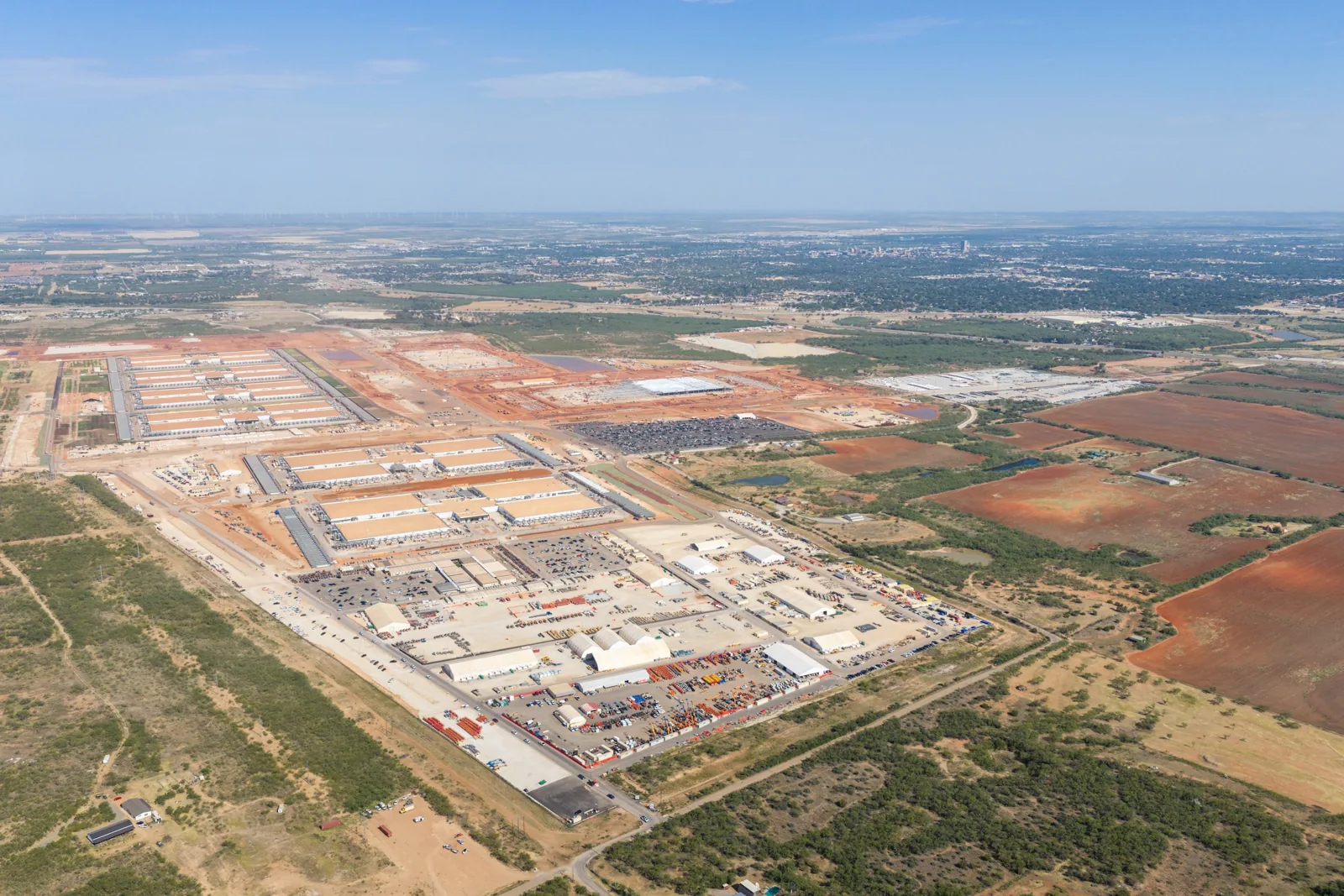
Cooling Equipment and Penetration Details
Large equipment groups can make a roof a network of curbs, support frames, pipes and electrical routes. We inspect each flashing termination, membrane seam and fastening point without assuming a unit can be shut down or moved. The facility team identifies which equipment stays live and which trade can isolate or reset it. We then map the roofing work around those requirements and state the handoff needed before a curb is closed. If an opening shows wet insulation, selected test cuts help confirm its extent and whether the deck is sound. Infrared readings can guide that investigation but do not prove a failure by themselves. The report separates observed roof conditions from equipment assumptions. A moisture survey can be paired with a repair plan where localized work may restore a defined transition without disturbing nearby systems.
Protecting the Building During Roof Work
A data center work plan should show which areas remain isolated from the roof crew and how water is kept away from critical interior spaces. We review drain bowls, scuppers, parapets and low points before opening a section, then keep temporary drainage clear as the assembly is removed and rebuilt. New insulation can change drain height or create a high point, so slope, sumps and edge conditions are coordinated before material procurement. Where a low spot retains water, we determine whether the cause is the deck, insulation or original roof geometry. A ponding-water review can identify whether drainage correction belongs with a membrane repair. We confirm roof access controls and interior protection with the site contact, then document the dry-in boundary at the start and end of each shift.
Local Weather and Work Windows
Brandon Road Dam normals list 16.9 inches of annual snow for Joliet. Lows are at or below 32°F on 125.8 days, while highs reach 90°F on 14.9 days. A data-center work plan uses those seasons to coordinate roof access with monitoring and equipment needs. Those seasonal swings change when membrane, sealant and adhesive work can proceed. We plan small roof openings around the expected weather window, keep drain paths clear and confirm the closeout material is ready before tear-off begins. The shift plan names the stop point, temporary cover method, drain protection and the person authorized to change the sequence.
In NWS Chicago's July 2023 account, the tornado track extends from Minooka by way of Shorewood into Joliet. The report also notes damaging hail and wind in the I-80/Kankakee River Valley area; any data-center inspection still records conditions roof zone by roof zone. For a data facility, a weather walk maps water entry against curbs, equipment supports and roof zones, while the facility contact identifies any interruption or access limit that changed during the event. We photograph observed conditions and assign a trade handoff before permanent repair. A storm review ties the date, roof zone and next action to the facility file.
Repair, Recover, or Replace
The recommendation follows moisture, attachment and the condition of the deck. If test results confirm isolated wet insulation and stable surrounding material, we can define a selective repair. Widespread moisture, loose attachment or damaged deck may support a full removal. A recover is considered only when existing layers and height allow a sound assembly. We compare the boundary, drain work, edge changes and equipment flashing required by each option. Roof systems such as TPO and PVC can be reviewed with the project design team for substrate, seams, insulation and attachment. A material name cannot settle the structural, code or operational questions. In Joliet, local review under adopted codes is determined project by project; commercial building documents may need an Illinois-licensed professional’s seal. We resolve that path before procurement.
We also separate the roofing scope from any work that belongs to the cooling system. A curb can need a roof flashing replacement even when the unit itself remains unchanged; a unit reset can require a mechanical contractor even when roofing follows. We identify each boundary, state the planned handoff and include an inspection point before the transition is concealed. If a project adds or removes equipment, the roof detail needs to match the final layout. That coordination protects the repair boundary and gives the facility team a useful record when maintenance or a later capital project returns to the same area. For a mixed-use campus with manufacturing roofs or temperature-controlled buildings, we assess each assembly independently rather than carrying one roof condition across the property.
Field Records and Approval Handoffs
Our closeout file can include roof photographs, test locations, repaired seams, drain and flashing details, installed materials and open items for the facility team. When tear-off reveals a concealed condition, we record the finding and the approved scope change. That provides the owner with a clear repair boundary and a reference for future inspections. A condition report ties photos, test locations and repair quantities to roof zones, giving the capital team a baseline for later visits. For design or permit review, we coordinate the roofing assembly and documents with the project team and applicable local process. If access requires an escort, badge or restricted hours, those rules remain with the facility contact and are confirmed before mobilization. We can then align the roof walk, staging plan and daily closeout with the actual access procedure.
Commercial Roofing Questions
How do you plan roofing around data center cooling equipment?
We inventory the curbs, supports, piping and routes, then confirm which units stay live and who can isolate or reset them. The scope identifies each trade handoff, the flashing closeout and the access route that must remain clear. A unit is not moved or shut down without the facility's authorization.
Can you repair a leak without interrupting facility operations?
A defined temporary repair may control water while equipment remains online, but the method depends on safe access and the roof condition. We confirm the opening, protection needed below and the equipment restrictions with the site contact. The report separates immediate stabilization from any permanent work requiring a later window.
What evidence supports a larger replacement boundary?
Test cuts that confirm wet insulation, loose attachment or deck deterioration can show that a leak extends beyond a single penetration. We map those locations and compare them with visual observations. The proposal explains which findings are confirmed and what concealed condition would change the boundary after removal begins.
How do you prevent an open drain from affecting the work zone?
We inspect bowls, scuppers and temporary water paths before each phase, then protect them as the roof is opened. The daily closeout checks that outlets remain clear and that the exposed assembly is covered. If new insulation changes drain height, we coordinate the correction before the area is closed.
What access information belongs in the roofing schedule?
List escort or badge rules, approved roof entry, restricted equipment paths, crane windows and the person who can authorize a pause. We confirm those items before mobilization and align them with material delivery and dry-in. The facility manager remains the source for secure-site procedures.
Set the Data Center Roof Window
Arrange a Joliet, IL roof walk to review equipment routes, moisture findings, drains and secure access. We will document the repair boundary and trade handoffs before the work window is set.
