Roofing Capabilities
ROOFING SERVICES
Commercial Roof Leak Repair
Emergency Commercial Roof Repair
Commercial Roof Repair
Commercial Roof Inspection
Commercial Roof Maintenance
Commercial Roof Coating
Commercial Roof Replacement
ROOF SYSTEMS
TPO Roofing
EPDM Roofing
PVC Roofing
Modified Bitumen Roofing
Standing Seam Metal Roofing
PROPERTY TYPES
Warehouse Roofing
Distribution Center Roofing
Office Building Roofing
School Roofing
INDUSTRIES
DAMAGE REPAIR
CAPABILITIES
MANUFACTURERS
SERVICE AREAS
Commercial Roof Condition Reports in Joliet, IL
Roofing Capabilities
Get a photo-based commercial roof condition report in Joliet, IL. We map defects, moisture tests, repairs and next steps for the building team.
Commercial Roof Condition Reports
A photo without a roof-area label leaves the next project meeting guessing which curb or drain it shows. In Joliet, IL, we inspect the membrane, perimeter, drainage and rooftop details, then attach each observation to a marked plan. A survey at a logistics, manufacturing or office property can face different gate rules, shift schedules and roof-entry controls. We record the actual access window and any area that remained out of reach, then keep that limitation beside the roof finding instead of implying a complete inspection. We separate what we saw, what was tested and what remains an open question. A commercial roof inspection produces a record the owner can use to set repair, maintenance or replacement scope.
Observed Condition and Photo Log
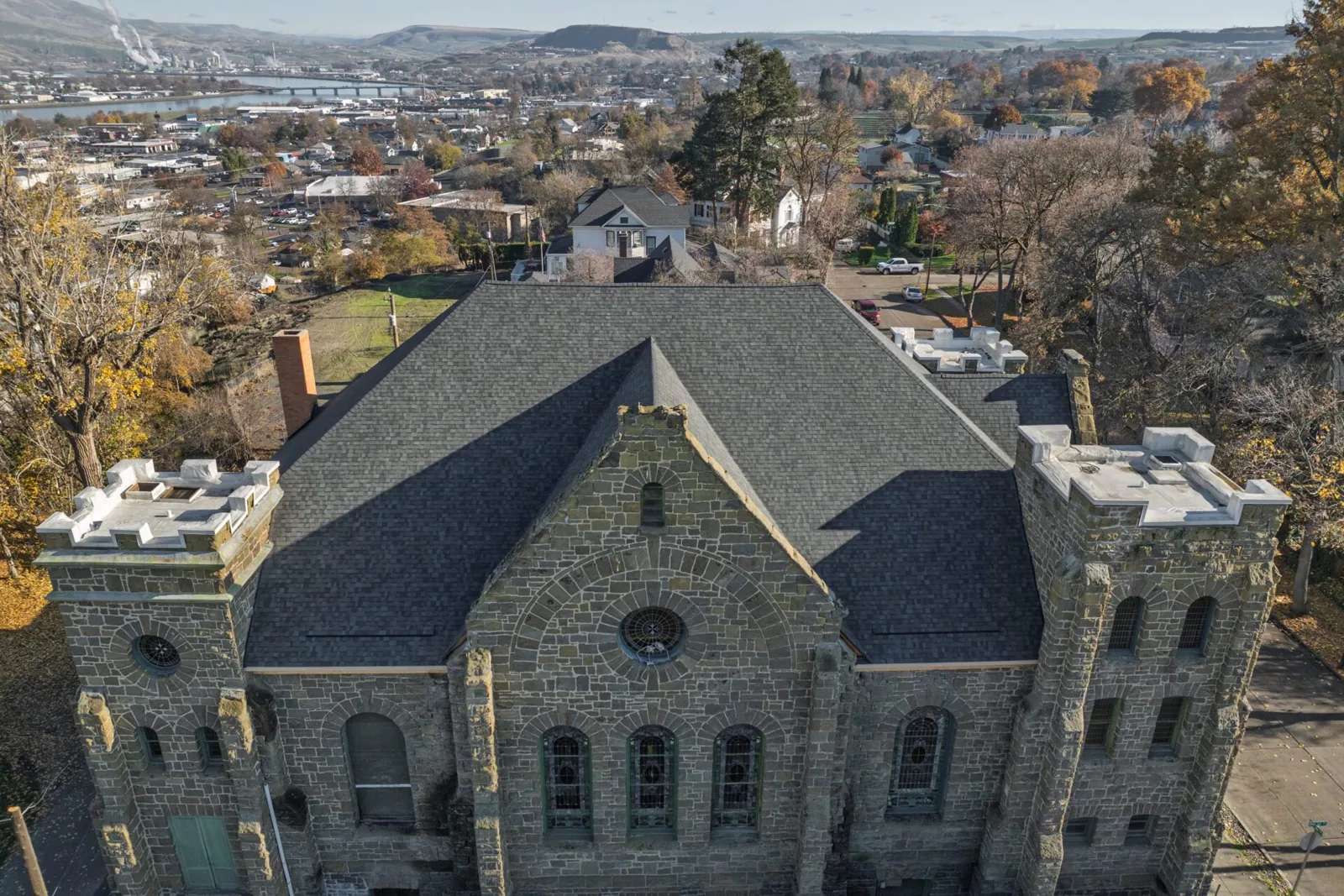
We label roof areas consistently across the plan and photo log. A close photograph should show the defect, while a wider view places it beside a drain, joint, curb or roof edge. We note surface condition, repair materials, ponding, loose metal, open seams and penetrations. Where equipment blocks the membrane, the report says so. A limited view does not become a claim about a whole section.
The Joliet station's normal year brings 16.9 inches of snowfall and 38.03 inches of precipitation; a report should pair that drainage context with photographs of the actual outlet and overflow path. We photograph the drain bowl, strainer, overflow path and membrane tie-in, then note whether a low area retains water after the outlet clears. A drain inspection separates debris removal from detail repair or flow-path correction. The recommendation points to the outlet shown in photos.
A condition record lists active leaks and interior observations separately from the rooftop finding. Water can travel before entering a room, so we trace likely paths and identify where a test opening would confirm insulation or deck condition. The report names what evidence is needed to set the repair boundary.
Photo labels should include roof zone, direction of view and nearby detail, so another project lead can find the same location without retracing the entire field. We keep a test-opening image with the removed layers and the repaired closeout view. Together, those records show what the crew found, what was changed and whether a follow-up remains. The owner can give that file to operations or the GC without losing the relationship between the roof plan and the field work.
Moisture Tests and Repair Boundary
Infrared readings can help choose where to take a core, but the reading alone does not confirm wet insulation. We identify each test location on the roof plan, photograph the opening, record observed layers and inspect the deck where visible. A report states which material is wet, where dry material begins and whether more openings are needed. That creates a defensible repair boundary for an occupied building or a replacement bid.
Temperature and exposure vary with the inspection date, so we record the day's surface conditions beside seam, flashing and drainage observations. Seasonal history may frame a question for the owner, but a report calls a defect only when a photograph, test or opening supports it. Where a roof has multiple layers, we document what an opening confirms rather than assume all areas match. A moisture survey can organize test locations across a broad field, with selective cores used to confirm the suspected layers.
When the report shows a local defect and a sound surrounding assembly, the next scope may be a focused repair. When wet insulation, attachment loss or deck damage crosses several areas, a larger replacement option may be appropriate. We describe the evidence that supports each choice and identify any access, structural or trade question that must be resolved before pricing. If a test opening could affect occupied space, we note the protection and closeout needed before the crew leaves the area.
Repair Options and Decision Notes
Recommendations are actions tied to field evidence. We identify temporary water control, flashing or membrane work, drain correction, test openings and replacement conditions. If a recover is possible, the report lists checks for moisture, attachment, layer count, edge height and drainage. The owner can compare options and see what information each needs.
Joliet's adopted building requirements and Illinois Energy Conservation Code affect commercial replacement projects. We note design approvals, access equipment, crane picks, deck repairs, insulation, perimeter work and penetrations that affect timing. A replacement proposal can use those observations as a scope basis, while a maintenance visit can clear drains and monitor details.
For a portfolio, each report carries building name, inspection date, roof-area labels and open items. That lets the asset manager compare work without assuming membranes or drainage match. A roof asset record can store reports with repair history. A capital planning review can then put confirmed work and unresolved tests into separate budget decisions.
Storm Findings and Joliet Access
A July 2023 NWS Chicago account traces a tornado through Minooka, Shorewood and Joliet. For the condition report, the event date organizes the requested walk; photographs and tests still locate any finding on the inspected roof. After an event, the report ties each suspected puncture, displaced edge or lifted flashing to a photographed roof area and a confirmed or pending test. It records what the inspected property shows, then separates temporary dry-in work from permanent repairs. We use the event date to organize a requested walk; the roof findings come from the building itself.
For an owner coordinating a property near I-80 and an office near I-55, the report records roof access and receiving windows separately from the repair conclusion. That keeps logistics notes from being mistaken for defect findings. County freight planning also covers the Elwood/Joliet subregion. We note the property's actual access route, roof-entry point and operating limits because those conditions affect test openings, lifts and repair timing. A storm damage inspection can include the photo log and open conditions needed for a later scope review.
Each page of the final report should guide a next construction decision: repair the detail, test the assembly, coordinate a trade or plan a replacement phase. We can walk the building with the owner and GC in Joliet and review any follow-up questions before the bid package is released.
Commercial Roofing Questions
What should a commercial roof condition report include?
A marked roof plan, dated photos, assembly observations, drains, perimeter, penetrations, repairs, interior reports and open questions give the owner a usable record. Test openings should identify the layers and deck observed. Recommendations should distinguish immediate water control from permanent work and explain what remains uncertain.
Does an infrared scan prove insulation is wet?
No. It identifies locations that may merit confirmation. We select test openings, record the observed layers and use those findings to set the repair boundary. The report distinguishes readings from confirmed wet material so the owner can price the right next step.
Can a report price a roof replacement?
It can define area, assembly, moisture findings, access and visible details that shape a proposal. Concealed deck conditions or inaccessible zones may still need an allowance or opening. We state those limits so the bid can separate known work from quantity that has not been confirmed.
How do photos help a roof repair scope?
Photos tied to a roof-area label show the defect, surrounding material and nearby transition. That lets the GC locate the work and compare it with a later inspection. We also photograph test openings and completed repairs so the record distinguishes observed condition from finished work.
When should the report be updated?
Update it after repair, replacement, a test opening, equipment changes or a storm review that affects the scope. We can revisit the roof, add dated photos and identify open items. That keeps the next budget or bid meeting tied to the current field condition.
Set a Roof Condition Walk
Arrange a roof walk with Commercial Roofers Joliet. We will label the roof areas, document photos and tests, and identify the repair boundary or next opening needed for a clear scope.
