Property Types We Roof
ROOFING SERVICES
Commercial Roof Leak Repair
Emergency Commercial Roof Repair
Commercial Roof Repair
Commercial Roof Inspection
Commercial Roof Maintenance
Commercial Roof Coating
Commercial Roof Replacement
ROOF SYSTEMS
TPO Roofing
EPDM Roofing
PVC Roofing
Modified Bitumen Roofing
Standing Seam Metal Roofing
PROPERTY TYPES
Warehouse Roofing
Distribution Center Roofing
Office Building Roofing
School Roofing
INDUSTRIES
DAMAGE REPAIR
CAPABILITIES
MANUFACTURERS
SERVICE AREAS
Distribution Center Roofing in Joliet, IL
Property Types We Roof
Coordinate distribution center roofing in Joliet with loading access, conveyor penetrations, drainage checks and a phased dry-in plan.
Distribution Center Roofing
Conveyor shifts and trailer appointments leave little room for an improvised roof opening. In Joliet, the Elwood/Joliet subregion is treated as a critical freight area, so we plan distribution center roofing around the building's dock cycle as carefully as the membrane. Our roof walk follows drains, seams, curbs, penetrations and equipment routes, then separates immediate leak control from the permanent repair. The written scope marks which areas can open together, where material can be staged, and how each shift ends with the roof protected. That sequence gives a project manager a basis to coordinate loading, electrical and mechanical trades before procurement. A commercial inspection can document the field conditions, while occupied-building phasing sets the work limits around active operations. We do not treat every bay as interchangeable: the point where a conveyor, curb or drain crosses the roof can change both the tie-in and the day's stop line.
Roof Zones Above the Flow
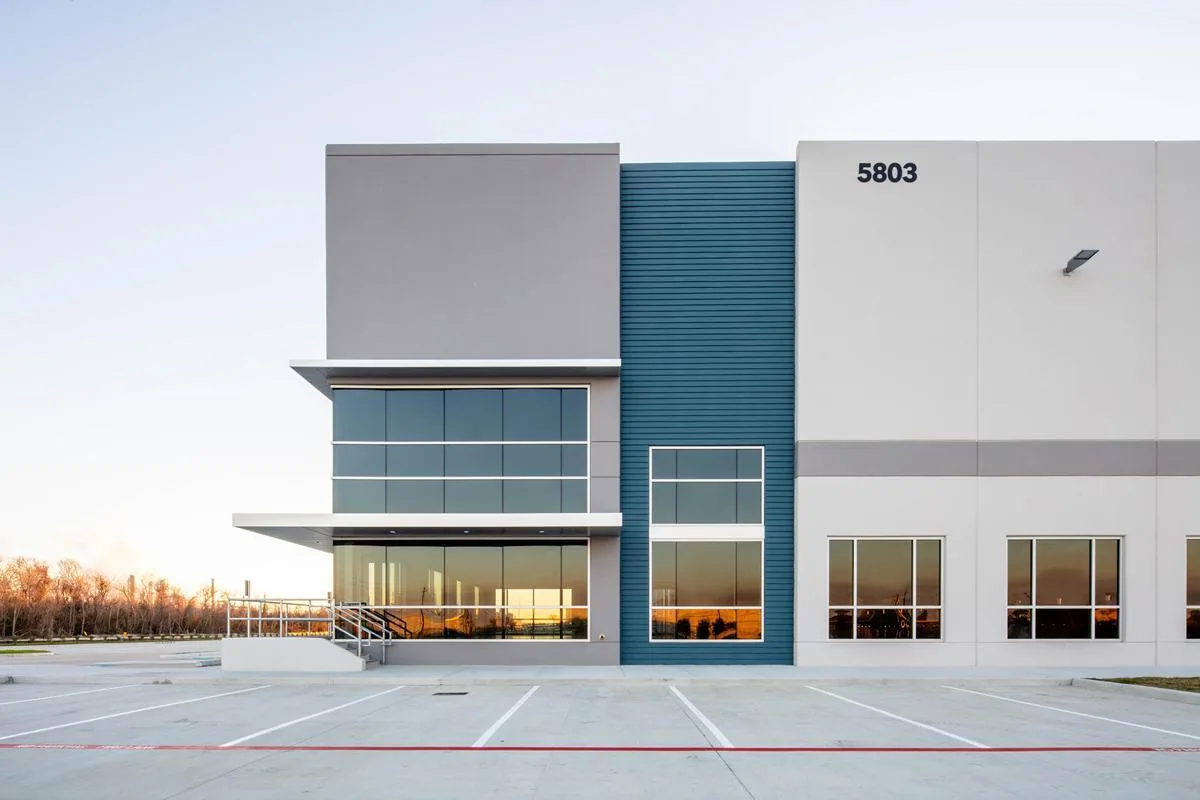
A distribution roof is easier to scope when the roof plan and the floor plan are reviewed together. We mark dock rows, conveyor routes, roof access points, truck circulation and the areas where interior inventory needs protection. Then we map the roof's drains, expansion joints, equipment curbs and prior patches against that operating layout. A leak near a wall may travel below the membrane before it appears indoors; a wet reading can extend beyond the visible stain. Selected infrared review and test cuts help distinguish those conditions. We record each test location and mark what it supports, so the repair boundary follows evidence instead of a single symptom. If moisture is limited and the deck remains sound, a focused repair may keep a section in service. Widespread wet insulation or failed attachment changes the decision toward removal and replacement. Our infrared survey and repair scope identify where those options separate.
Drainage Under a Tight Schedule
When a roof section is opened, water control cannot wait for the final punch walk. We check drain bowls, strainers, scuppers and low areas before work starts, then keep the temporary drainage path clear as insulation and membrane are installed. A replacement assembly can change drain height or leave a previous taper out of alignment, so we coordinate slope corrections and edge details before the material order. Ponding may reflect a deck condition, insulation movement or the original slope; the solution depends on what the field review finds. For a suspected low spot, our ponding-water repair review records the route water takes and whether the drain detail is part of the problem. During active shifts, a blocked outlet can affect interior staging below, which is why each daily closeout includes a check of the open roof area and its temporary protection.
Weather Windows and Temporary Cover
Joliet averages 16.9 inches of snowfall and 125.8 freezing-minimum days, followed by summer heat that can affect work conditions and material handling. We use that seasonal pattern to discuss the work window, not to presume what a specific roof has endured. Before tear-off, the crew has the protection materials and daily stop point identified. If weather shifts, the open area must close with a secure temporary assembly before the team leaves. Winter work also requires attention to ice at access points and a clear method for keeping water moving toward the drains. Hot conditions affect crew pacing, membrane handling and the time available to finish a seam. These are schedule inputs that belong in the plan alongside dock access and trade availability. The roof's current moisture, attachment and drainage still determine whether repair, recover or replacement is appropriate.
A July 2023 tornado crossed Minooka, Shorewood and Joliet; hail and damaging winds also affected the I-80 and Kankakee River Valley. On a distribution roof, we locate each reported effect by dock row, roof bay and equipment zone. The walk checks long seams, perimeter details, rooftop supports and areas where material could have shifted. We distinguish current impact from earlier wear where the evidence allows, photograph conditions, and set a temporary dry-in limit only around a confirmed opening. Our storm response can create a dated condition record for the facility team. Organized observations support a repair or claim file, while the owner and insurer make separate coverage decisions.
Repair, Recover, or Replace
The warehouse assembly decision follows the deck, moisture results, existing layers and equipment layout. A recover may reduce tear-off only when the existing roof can accept another layer and trapped moisture is not concealed. If insulation is wet across connected bays or attachment has failed, removal gives the team access to correct the substrate and drainage. We compare those paths before pricing, then define the edge height, curb transitions, drain work and tie-ins each option requires. If the roof can remain in service with a localized repair, the proposal identifies its limits and what condition would trigger another phase. We can assess TPO assemblies in relation to the existing deck, rooftop use and detailing needs. The material name does not replace a review of fastening, insulation, wind design and field transitions.
A Handoff the Facility Can Maintain
At completion, we provide a condition record with photographs, work limits and any areas that need later observation. The record notes drain and flashing details, repaired seams, equipment interfaces and the agreed maintenance items. For a larger program, the same information can support a roof condition report and manufacturing plant roof planning without merging separate building findings. We identify the point where a repair ends, what material was installed and which trade completed each rooftop handoff. A facility manager can use those notes to plan future access and budget reviews. When a job includes a tear-off, the report also records the exposed condition that changed the scope, such as wet insulation or deck repair. That information is useful because the next roof decision starts with the actual assembly rather than an assumption carried forward from the last project.
Commercial Roofing Questions
How should roof phases follow a distribution center's dock calendar?
We map the doors that stay active, the delivery peaks and the areas where inventory needs interior protection. The phase plan then pairs each roof opening with a staging zone and a daily dry-in limit. If a loading pattern changes, the site contact and superintendent can adjust the next section before materials are moved.
What does a wet-insulation finding change in the scope?
A confirmed wet area can expand removal beyond the point where water appeared inside. We record the test location, surrounding readings and deck condition, then show the boundary supported by those findings. The owner can compare a defined patch with selective replacement or a larger tear-off without treating an infrared image alone as proof.
Can roof work continue while conveyor equipment remains active?
The equipment owner sets the safe isolation and access requirements. We plan work limits around the conveyor route, protect openings, and coordinate any curb or support change with the responsible mechanical or electrical trade. The scope should name the shutdown window and the handoff point before a roof section is opened.
Which condition makes a recover unsuitable for a distribution roof?
Widespread trapped moisture, failed attachment, weak deck or excessive added height can make another layer a poor choice. We inspect the existing assembly and document test locations before pricing a recover. If removal is needed, the bid should also show the new insulation, drainage and edge details that will be installed.
What does the closeout record give the facility manager?
It records photographs, repaired areas, drain and flashing observations, materials installed and any follow-up items. We keep separate roof zones distinct when the building has different assemblies or work dates. Those notes support maintenance planning and make the next inspection easier to compare with the completed scope.
Coordinate the Next Roof Phase
Schedule a Joliet, IL roof walk to map dock access, drainage, equipment handoffs and the sections that can be safely opened. We will document the repair boundary and daily dry-in plan for the bid team.
