Industries We Serve
ROOFING SERVICES
Commercial Roof Leak Repair
Emergency Commercial Roof Repair
Commercial Roof Repair
Commercial Roof Inspection
Commercial Roof Maintenance
Commercial Roof Coating
Commercial Roof Replacement
ROOF SYSTEMS
TPO Roofing
EPDM Roofing
PVC Roofing
Modified Bitumen Roofing
Standing Seam Metal Roofing
PROPERTY TYPES
Warehouse Roofing
Distribution Center Roofing
Office Building Roofing
School Roofing
INDUSTRIES
DAMAGE REPAIR
CAPABILITIES
MANUFACTURERS
SERVICE AREAS
Commercial Roofing for Manufacturers in Joliet, IL
Industries We Serve
Plan manufacturing roof repairs and replacement in Joliet around production lines, exhausts, cranes and dry-in. Document the assembly before setting scope.
Commercial Roofing for Manufacturers
A production line does not pause because a roof opening reached the wrong bay. For manufacturers in Joliet, roof work has to follow the plant's loading pattern, equipment moves, exhaust points and shift calendar. We inspect membrane seams, drains, curbs, rooftop units, edge details and previous patches, then mark each condition against the area below. That helps separate a localized flashing repair from wet insulation, deck damage or a replacement zone. Joliet's industrial base includes logistics and manufacturing, and the city reports ten I-80 and I-55 interchanges with two intermodal terminals in or near the city. The regional freight setting matters to delivery planning, but each plant's gate, crane reach and production path still need a field check. A phased occupied-building plan sets the daily work boundary and secure dry-in. For Joliet manufacturers, we tie the roofing scope to actual plant operations.
Production Bays and Roof Zones
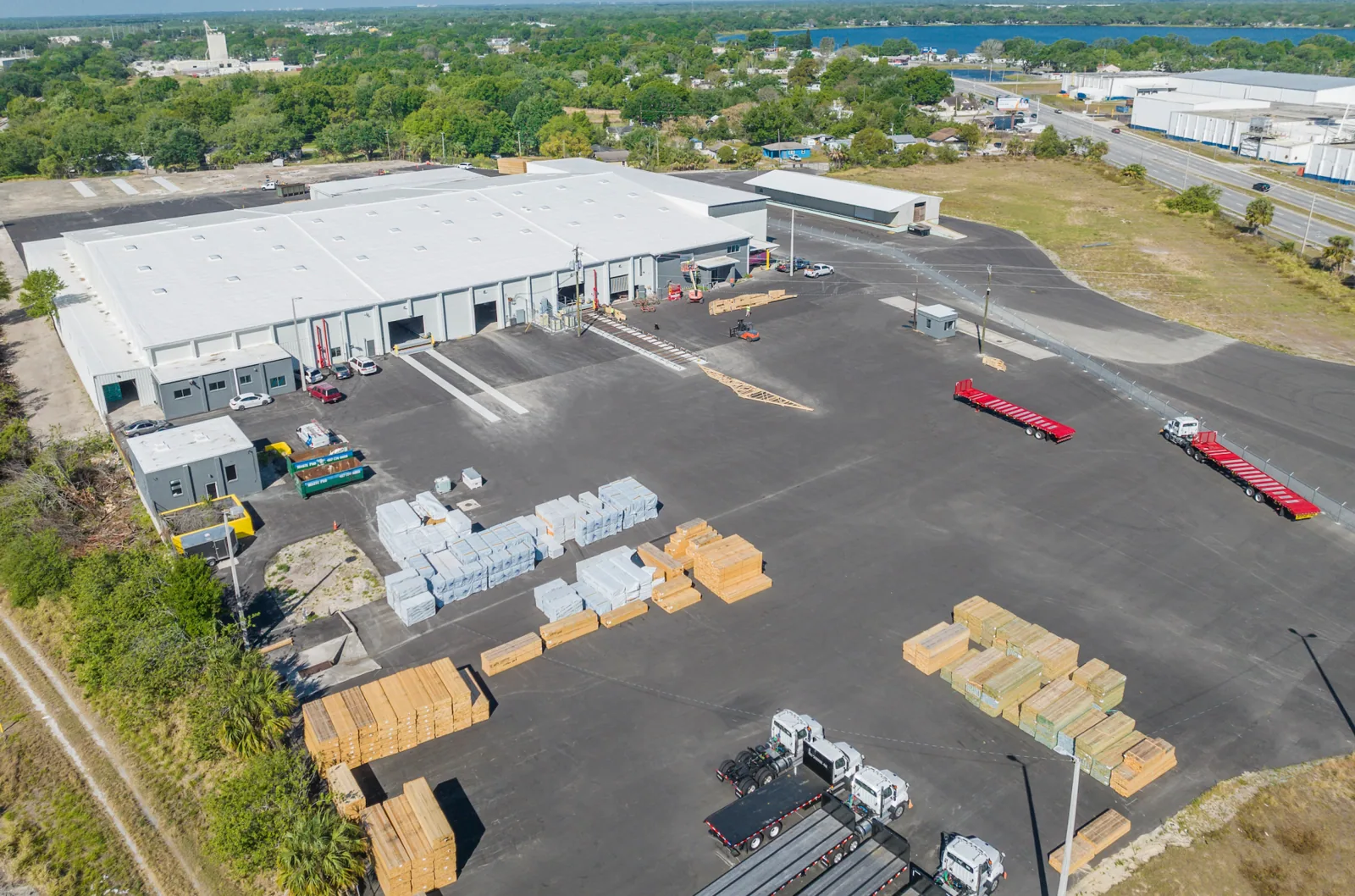
We divide the roof into work zones that correspond to structure, drains, equipment and the line or storage area below. The survey records panel or membrane type, attachment, insulation, deck condition where visible, roof slope and transitions to walls or canopies. Exhausts, vents, pipe supports and process equipment receive their own location marks because each interruption can affect drainage or flashing. If production cannot tolerate an open area above a particular bay, the sequence can shift to another zone while the detail is prepared.
Romeoville's adopted plan maps employment uses around Weber and Taylor roads, Route 53, the I&M Canal and the village's east side. A Joliet plant may share these regional freight routes, but its own dock schedule and roof access set the staging plan. We confirm whether coil, sheet, packaging or finished goods use the same receiving area before scheduling a lift. The Weber Road and I-55 corridor has its own delivery conditions, which we confirm with the property contact.
Leaks, Condensation, and Process Exhaust
Water entry can begin at a curb, seam, drain, parapet or penetration, then travel before it reaches a production area. We compare interior reports with roof slopes, membrane condition and the likely water path. Where process moisture or warm exhaust meets a cold roof assembly, we review the affected layers and ventilation details before assigning a repair boundary. A selective opening can show whether insulation or deck needs replacement. The scope separates temporary water control from permanent work, with photographs and marked locations. A leak repair records the entry path and ties the repair detail to the approved boundary.
For the Joliet station, the annual normal is 16.9 inches of snow; the record also counts 125.8 days when minimum temperatures reach freezing or lower. Meltwater can test low areas and drainage details, while temperature cycling can stress a termination or old patch. The NOAA station also reports 14.9 days with highs at or above 90°F, which affects summer work windows and exposed-material handling. These temperature and snow conditions affect drainage and work windows; the reported leak path and roof inspection determine whether a seam, drain or curb belongs in scope.
Repair Boundary or Plant-Wide Renewal
A repair can hold when the membrane around the defect remains bonded, the insulation is dry and the perimeter detail is secure. If multiple leak zones share wet insulation, failed seams or poor attachment, a broader scope may be more reliable. We map test cuts, deck repairs, curb work, drain replacements, edge metal and rooftop-equipment handoffs before pricing. Cost and duration also depend on tear-off depth, crane availability, demolition route, interior protection and how much work can be completed in each shift. A replacement scope keeps known work separate from allowances for concealed conditions.
The City of Joliet publishes local code guidance, including compliance with the Illinois Energy Conservation Code for privately funded commercial facilities. The amended 2024 IECC became effective November 30, 2025. A plant reroof may require early decisions about insulation, attachment and documents for review. We record the existing build-up and flag questions for the owner's design professional before material procurement. Where the scope includes equipment moves, the roofer and mechanical contractor need a clear sequence, including who restores each curb and flashing detail after the unit returns.
Equipment, Cranes, and Shift Handoffs
Manufacturing roofs often carry process exhaust, HVAC units, conduit supports, piping and maintenance walkways. We mark which equipment remains in service, which may move and how technicians will reach it after roofing. Any unit lift has a staging footprint, load path and return detail that should be reviewed before a crane is ordered. Work zones also need barriers and a route for crews that stays outside active production or material handling. The foreman can close a shift with a dry-in point and a list of open trade items, reducing the chance that one contractor leaves a penetration unfinished.
Joliet's connections to I-80 and I-55 and its nearby intermodal terminals make freight a prominent feature of the market. Still, access is property-specific. We confirm truck turning, gate hours, dock conflicts, lift setup and the location of production-sensitive areas with plant leadership. For companies also operating in Elwood, the nearby community is identified as home to Elwood International Port, a real local industrial area. Elwood's port district belongs to the area's industrial pattern; the property's own address and gate controls determine access planning. A logistics roof schedule has related delivery questions, but the plant sequence is set by its own shifts and equipment. A multi-building roof record can carry those details to the asset manager.
Storm Review and Material Timing
After hail or wind, the inspection checks membrane punctures, metal edges, rooftop units, exposed fasteners and flashings at equipment. A July 2023 severe-weather report places Minooka, Shorewood and Joliet along one tornado corridor and records regional hail and wind around the I-80/Kankakee River Valley. After severe weather, we inspect welds, metal edges, rooftop equipment and flashing by plant zone. Dated photographs and the maintenance log help distinguish recent impact from an older repair before the scope is priced. Storm damage documentation can be prepared around the property walk and the plant's access rules.
Material procurement needs the same discipline as production scheduling. We confirm membrane or panel specification, insulation package, curb details, edge metal and delivery sequence before releasing the order. If an assembly choice depends on a test cut, deck review or code decision, those items should be resolved first. Commercial Roofers Joliet can meet with plant engineering and the GC to map the roof zone, trade handoff and dry-in before the production calendar is committed.
Commercial Roofing Questions
Can production continue during a plant reroof?
A phased plan can keep work away from selected production areas, but the roof, material route and open-zone limits must be checked with plant leadership. We set daily dry-in points and coordinate noisy work, crane picks and equipment outages against the shift schedule.
How do you handle roof leaks above process equipment?
We trace the reported water path, inspect nearby curbs, seams and drains, then document what can be confirmed at the surface. If moisture may be below the membrane, an approved opening can establish the repair boundary before equipment or insulation work is priced.
What makes a roof replacement scope change at a factory?
Deck condition, wet insulation, equipment moves, process exhaust, crane access, interior protection and the amount of roof that can be opened per shift all affect the scope. We list known repairs separately from concealed conditions requiring an allowance or test opening.
Who flashes curbs after a unit is lifted?
The roofing and mechanical scopes should name the handoff before the lift. We coordinate the curb dimensions, temporary protection and final flashing sequence with the facility team so the assembly is closed after the equipment returns.
Does a Joliet storm report prove plant roof damage?
The weather date helps focus the walk, then photographs record membrane, edges, penetrations and equipment by plant zone. Comparing those observations with prior repairs determines which findings belong in the current scope.
Set a Plant Roof Work Sequence
Arrange a roof walk with Commercial Roofers Joliet and your plant contact. We will mark work zones, equipment handoffs and production constraints, then identify the repair or replacement scope that can be sequenced around the shift plan.
