
Property Types We Roof
ROOFING SERVICES
Commercial Roof Leak Repair
Emergency Commercial Roof Repair
Commercial Roof Repair
Commercial Roof Inspection
Commercial Roof Maintenance
Commercial Roof Coating
Commercial Roof Replacement
ROOF SYSTEMS
TPO Roofing
EPDM Roofing
PVC Roofing
Modified Bitumen Roofing
Standing Seam Metal Roofing
PROPERTY TYPES
Warehouse Roofing
Distribution Center Roofing
Office Building Roofing
School Roofing
INDUSTRIES
DAMAGE REPAIR
CAPABILITIES
MANUFACTURERS
SERVICE AREAS
School Roofing in Joliet, IL
Property Types We Roof
Plan school roof repairs, phasing and replacement in Joliet, IL. We inspect drains, flashing, wet insulation and access before setting a safe work sequence.
School Roofing
Between a summer shutdown and the first day of classes, a school roof has a narrow work window. In Joliet, IL, we start with the occupied areas, classroom schedules, kitchen exhaust, play areas and service drives that a roofing crew cannot interrupt. Joliet's Brandon Road Dam station records 14.9 days a year at or above 90 degrees, so heat can affect membrane handling, adhesive use and the pace of a large field installation. We map the roof into work zones, inspect the drain bowls, edges, curbs and wet insulation, then show where a repair can hold and where a replacement boundary needs to move. A commercial roof inspection gives the district a condition record before it chooses summer phasing, a recover or tear-off.
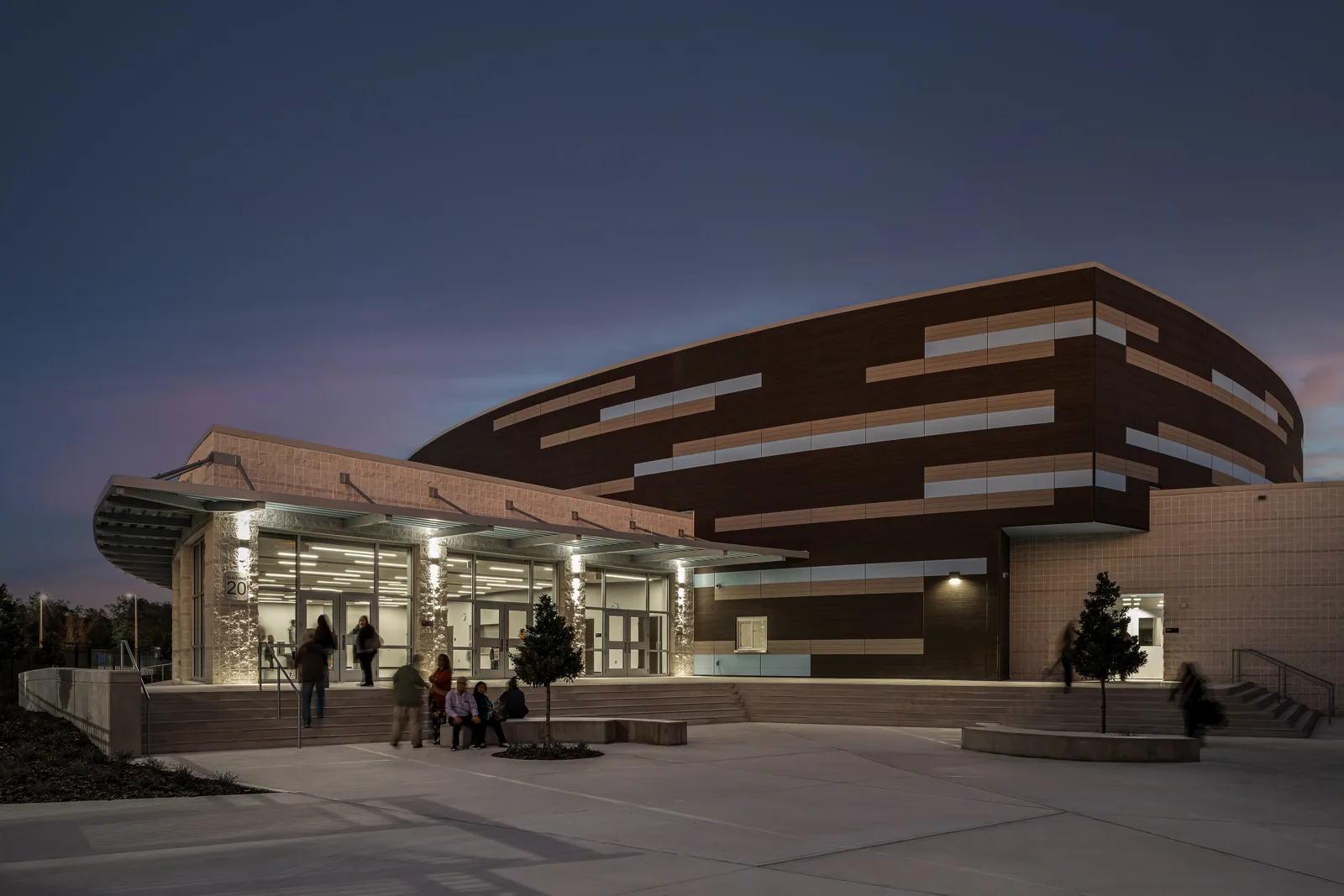
Classroom and Campus Sequence
A school roof has more than one daily operating pattern. Classroom wings may empty while administration, food service, athletics or summer programs stay active. We identify occupied rooms beneath the work area, staff access routes, material staging and openings that must close at each shift. If a crane pick crosses a bus loop, the lift window belongs in the schedule before materials arrive. That is the field sequence the district and general contractor need.
Joliet's commercial mix includes logistics, manufacturing, wholesale, retail and office buildings. Elwood and Joliet share a freight-planning subregion where transportation work focuses on freight clusters and intermodal access. For the school in scope, the district confirms bus circulation, pedestrian routes and approved delivery access. We plan truck approach, dumpster placement, pedestrian separation and daily dry-in as separate items. Where a gym or cafeteria shares the campus, work can move by roof section so an open classroom wing is not beside demolition.
We record which rooms sit below each section and which penetrations serve kitchens, science rooms or mechanical spaces. The roof plan identifies temporary protection, ventilation interruptions and access approval. A phased occupied-building reroof states how the crew moves between zones and what the school receives at each handoff.
Moisture, Drains and Deck Findings
Water inside a classroom does not mark the edge of wet insulation. We trace the leak path from the interior, then inspect membrane seams, wall transitions, curbs, skylights, drain bowls and the roof slope above it. A core sample can distinguish a wet layer from a surface defect, while an infrared or visual survey helps identify areas for selective openings. We document the opening, deck condition and adjacent dry material before drawing the repair boundary. That evidence supports a focused repair where the assembly remains sound and a larger replacement only where wet or deteriorated layers make it necessary.
Brandon Road Dam's 1991-2020 Joliet record lists average annual precipitation at 38.03 inches; the station's mean snowfall is 16.9 inches. We inspect drain bowls and scuppers for debris, loose clamping rings, damaged strainers and membrane transitions that stop short. If ponding relates to deck deflection or insulation layout, a surface patch will not correct the drainage plane. The district can compare a focused drain repair with slope work during a larger project. Drain and scupper repairs can be coordinated with adjoining membrane work.
When a roof has several layers from prior projects, tear-off may expose deck changes, abandoned curbs or saturated insulation not visible from above. We photograph each condition and contact the project lead before covering it. The allowance, repair detail and material sequence stay clear, with a written change request where the discovered work falls outside the base scope.
Summer Work and Storm Review
Summer gives many districts broad roof access, but hot surfaces and weather windows can shorten the open work period. Joliet's station normals include nearly 126 days each year with a low at or below freezing. We plan material storage, adhesive conditions, crew protection and the size of each daily dry-in zone. The crew does not open more roof than it can close within forecast and method limits, protecting insulation and classroom ceilings while the next section is prepared.
The July 2023 NWS Chicago report places a tornado along a path through Minooka, Shorewood and Joliet and notes hail and wind in the surrounding region. For a school, inspection planning begins with the district's report and the rooms or corridors beneath the affected roof zone. We photograph the actual surface condition, identify any displaced edge or flashing, and note whether classrooms, kitchen exhaust or rooftop equipment constrain access. A marked plan helps the district compare temporary water control with permanent repair and keep each observation tied to a location. A storm damage roof review records observed conditions at the building.
A school replacement package should state the code edition, assembly details, insulation value and perimeter conditions the design team is reviewing. We provide field measurements and roof observations for that review, while the district and its licensed professionals determine approvals and submittal timing before materials are released.
Assembly and Bid Decisions
Schools may have membrane, built-up layers, metal transitions or additions from different construction phases. We identify the assembly before recommending recover or tear-off. A recover depends on moisture, attachment, deck condition, added height and allowable layers. A recover evaluation lists the checks and shows where that option ends. Widespread wet insulation or attachment failure can make removal the cleaner starting point.
For a single-ply roof, the scope names membrane, insulation, cover board, attachment, flashing, drains, walk pads and perimeter metal. A TPO assembly is one choice, subject to project documents and conditions. At a kitchen exhaust, skylight or unit, we define curb and flashing work rather than leaving it in a broad allowance. Cost and lead time change with tear-off, deck repairs, access, crane needs, insulation availability and penetrations.
Closeout includes photos of concealed layers, drains, seams, edges and completed sections, plus a marked roof plan and outstanding trade items. A condition report helps facilities staff set maintenance priorities after turnover. We can walk the roof with the district and GC to settle the base bid, alternates and concealed-condition allowance. Review hospital roof planning when the campus also includes critical-care operations, or college and university roofing for multi-building academic schedules. Commercial Roofers Joliet serves school projects across Joliet.
Commercial Roofing Questions
How can summer phasing keep classrooms open?
The roof plan divides work by section and identifies the rooms, pedestrian routes and services under each area. We set deliveries, crane picks, daily dry-in and temporary protection around those operating needs. A district can then review each phase and decide which buildings need priority before materials are released.
What separates a repair from a school roof replacement?
A repair boundary follows the defect and sound surrounding material. We check the membrane, insulation, deck, flashing and drains, then use selective openings when the surface does not show the full condition. If wet layers or attachment failure extend beyond one detail, the documented area can support a replacement alternate rather than repeated patching.
Can a district use an existing roof for a recover?
The existing assembly has to be dry enough, attached, within allowable layer limits and able to accept added height and weight. We inspect the deck, insulation, curbs, doors and drainage before proposing another layer. The written scope says where the recover is viable and which openings would make tear-off the better choice.
What storm evidence is useful for a school roof claim?
Photos tied to a roof plan, documented openings, damaged metal or equipment, and notes separating new impact from prior wear give the district a usable record. We can secure a temporary condition, identify permanent work and prepare repair documentation. The inspection records the actual building rather than assigning one storm result to the entire campus.
Which project details should be fixed before bidding?
Define roof areas, tear-off limits, assembly, insulation, edges, drains, penetrations, access, phasing, protection and closeout. The bid should also name allowances for deck conditions and the approval path for changes. We walk the roof with the GC to resolve field questions that could otherwise interrupt summer dry-in.
Set the School Roof Work Window
Arrange a roof walk with Commercial Roofers Joliet. We will map occupied rooms, drains, access and the summer work zones so the district can settle phasing and scope before procurement.
