Commercial Roofing Services
ROOFING SERVICES
Commercial Roof Leak Repair
Emergency Commercial Roof Repair
Commercial Roof Repair
Commercial Roof Inspection
Commercial Roof Maintenance
Commercial Roof Coating
Commercial Roof Replacement
ROOF SYSTEMS
TPO Roofing
EPDM Roofing
PVC Roofing
Modified Bitumen Roofing
Standing Seam Metal Roofing
PROPERTY TYPES
Warehouse Roofing
Distribution Center Roofing
Office Building Roofing
School Roofing
INDUSTRIES
DAMAGE REPAIR
CAPABILITIES
MANUFACTURERS
SERVICE AREAS
Emergency Commercial Roof Repair in Joliet, IL
Commercial Roofing Services
Get emergency commercial roof repair in Joliet for active leaks, storm damage and temporary dry-in, with access and interior protection coordinated.
Emergency Commercial Roof Repair
A damaged roof above active equipment needs a safe work zone before a permanent repair can be planned. For a roof problem that needs attention outside routine maintenance, call the service team with the reported leak, risks below and safe access details. Dispatch timing depends on current availability, weather and site conditions; confirm an arrival window before arranging access. In Joliet, freight, manufacturing, retail and office operations can all be affected when water reaches inventory, electrical equipment or occupied space. We ask where the water is entering, what is at risk below, and whether roof access is safe. The response may begin with interior protection, a temporary cover, or a controlled opening to determine the field condition. We record what is secured and what remains exposed, then set the permanent repair boundary after the roof can be examined. Minooka, Shorewood and Joliet were along the July 2023 tornado path, while damaging hail and wind reached the wider I-80/Kankakee River Valley. Emergency work starts with safe access, temporary dry-in and the visible opening, then expands where inspection supports it. Those events make a prompt inspection useful, but the actual roof decides the response. A leak repair assessment can follow the initial dry-in.
Interior Protection and Safe Access
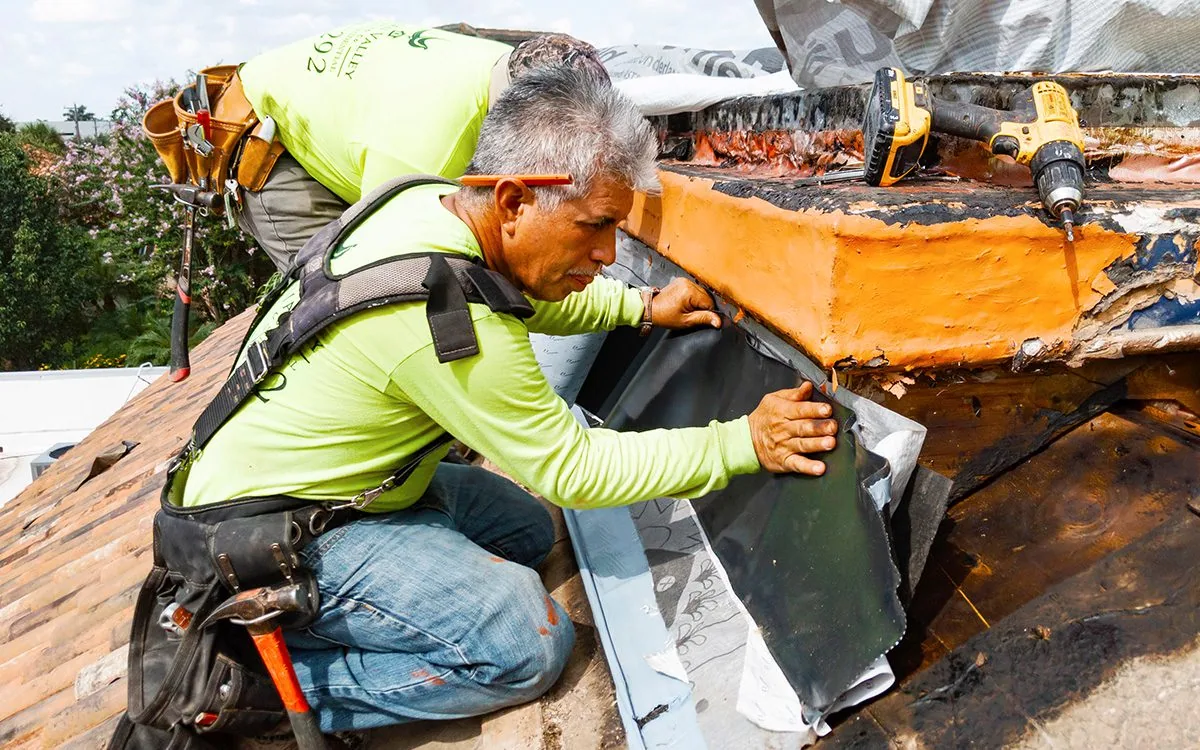
The first priority is to limit damage inside without creating a new safety problem. We coordinate with the facility contact to move stock or equipment where possible, protect sensitive areas and identify any shutdown needed below the leak. On the roof, the crew checks access, surface condition, electrical hazards and weather before placing materials or opening the membrane. If conditions are unsafe, the response plan changes to a controlled approach that can be completed safely. We confirm the ladder, hatch or lift route, where a staging zone can sit and whether deliveries or active doors need protection. Joliet and the Elwood/Joliet subregion have freight-focused operations, so a crew cannot assume an open dock or yard will be available when it arrives. A site contact helps coordinate gates and loading patterns. We provide a clear account of the area protected, the temporary measure installed, and the roof condition that still needs follow-up. Emergency work is a sequence of decisions, not a promise that every permanent detail can be completed during the first visit.
We also establish a communication point for the facility and the general contractor, so changes to a loading zone or roof access route reach the crew before material is moved. If water is near power or sensitive equipment, the building contact can identify the responsible trade and safe isolation steps. The response record should show those coordination decisions along with the roof work.
Temporary Dry-In and Water Control
Temporary dry-in is selected for the roof opening and the weather that is present. A secure tarp, compatible temporary patch or isolated repair can reduce water entry while the area is made ready for permanent materials. We do not cover loose membrane or wet insulation without first understanding where water can continue to travel. The temporary boundary is marked, photographed and checked against nearby curbs, drains, seams and walls. If wind has displaced edge metal or a rooftop accessory, we also examine the adjacent attachment and membrane before deciding what can be secured immediately. Those regional conditions put perimeter metal and membrane openings on the storm inspection list; the active water entry still determines the immediate repair boundary. At the property, we trace the active water path before marking the repair boundary. The emergency inspection shows what is present at this roof. If the crew finds torn membrane after hail, hail damage repair can define the permanent correction. For a thermoplastic assembly, a compatible TPO repair detail needs clean, dry material and a properly welded lap. When the assembly remains wet, an infrared moisture survey with core checks can help map the affected area before permanent work is set.
From Call-Out to Permanent Repair
Permanent work begins when the substrate, temperature and weather support the selected material. We remove unsound material, inspect insulation and deck, then repair the membrane or flashing with a compatible detail. A torn sheet, open seam, failed curb or blocked drain may need a different work sequence, even when the indoor symptom looks similar. We list any replacement material, equipment shutdown or trade handoff that must be scheduled. Daily highs reach 90°F or more on 14.9 days in a typical Joliet year; during heat or freezing conditions, we match seam and flashing work to the material's application requirements. If the opening reveals widespread wet insulation or deck concerns, we pause at the agreed limit and report the condition before extending the scope. The owner can then compare a selective repair with a broader replacement plan. The permanent repair record is separate from the emergency response note, so the report shows which part of the roof is dry-in and which has received final work. Photos and exact locations help maintenance staff monitor the area after the crew leaves.
Access, Updates, and Closeout
Emergency service has to fit the building's operations as well as the roof. We keep the facility contact updated on arrival, access limits, areas protected and any additional trades required. On a distribution property, vehicle routes and loading doors can restrict where the lift or debris container can go. For a medical, office or retail property, pedestrian access and interior containment may control the work area. A written record identifies the reported event, observed roof condition, temporary materials, photos and permanent work recommended. Insurance documentation can include the repair scope and supporting condition photos without making a coverage decision for the carrier. After temporary protection is in place, a hands-on inspection can check adjoining roof sections and identify maintenance work that should join the permanent repair. From the Joliet commercial roofing area, we coordinate emergency dispatch, roof access and temporary protection around the active leak. The goal for each response is a known boundary, a safe dry-in and a clear next work sequence that the general contractor or facility manager can schedule.
Commercial Roofing Questions
Can I call after hours or on a holiday?
Yes. Our emergency response takes calls at any hour, including weekends and holidays. We will ask about the active water, affected space, roof access and immediate hazards, then coordinate a response based on conditions and crew safety.
What should the facility do before the crew reaches the roof?
Keep people away from wet electrical areas, protect movable inventory if safe, and identify the best site contact for access. Do not climb onto a wet or storm-damaged roof. Tell us which rooms or equipment are affected and whether active production or deliveries limit the work zone.
Does a tarp count as a completed roof repair?
A tarp or temporary patch is water control, not permanent repair. We record the area it protects and what condition requires a return visit. Permanent work follows after the substrate and material can be prepared safely, and the closeout identifies whether that work was completed.
Will you repair storm damage during the first visit?
The first visit focuses on safety, interior protection and reducing active water entry. A small repair may be completed when weather, access and material conditions allow. Larger openings, wet insulation, displaced metal or unsafe weather can require temporary dry-in first and a scheduled return for permanent work.
Can emergency work include documentation for an insurance claim?
We can provide photos and a description of observed roof damage and completed repair work. That record can support the owner's file, but coverage and claim decisions remain with the insurer. We keep observations tied to locations and distinguish what was present from what we changed.
Call for Emergency Roof Response
Tell us where water is entering, what is at risk below and how the crew can access the roof. We will coordinate immediate protection, a safe dry-in and the permanent repair steps.
