Property Types We Roof
ROOFING SERVICES
Commercial Roof Leak Repair
Emergency Commercial Roof Repair
Commercial Roof Repair
Commercial Roof Inspection
Commercial Roof Maintenance
Commercial Roof Coating
Commercial Roof Replacement
ROOF SYSTEMS
TPO Roofing
EPDM Roofing
PVC Roofing
Modified Bitumen Roofing
Standing Seam Metal Roofing
PROPERTY TYPES
Warehouse Roofing
Distribution Center Roofing
Office Building Roofing
School Roofing
INDUSTRIES
DAMAGE REPAIR
CAPABILITIES
MANUFACTURERS
SERVICE AREAS
Auto Dealership Roofing in Joliet, IL
Property Types We Roof
Plan dealership roof repair or replacement in Joliet with showroom protection, service-bay access, vehicle routes and a defined dry-in schedule.
Auto Dealership Roofing
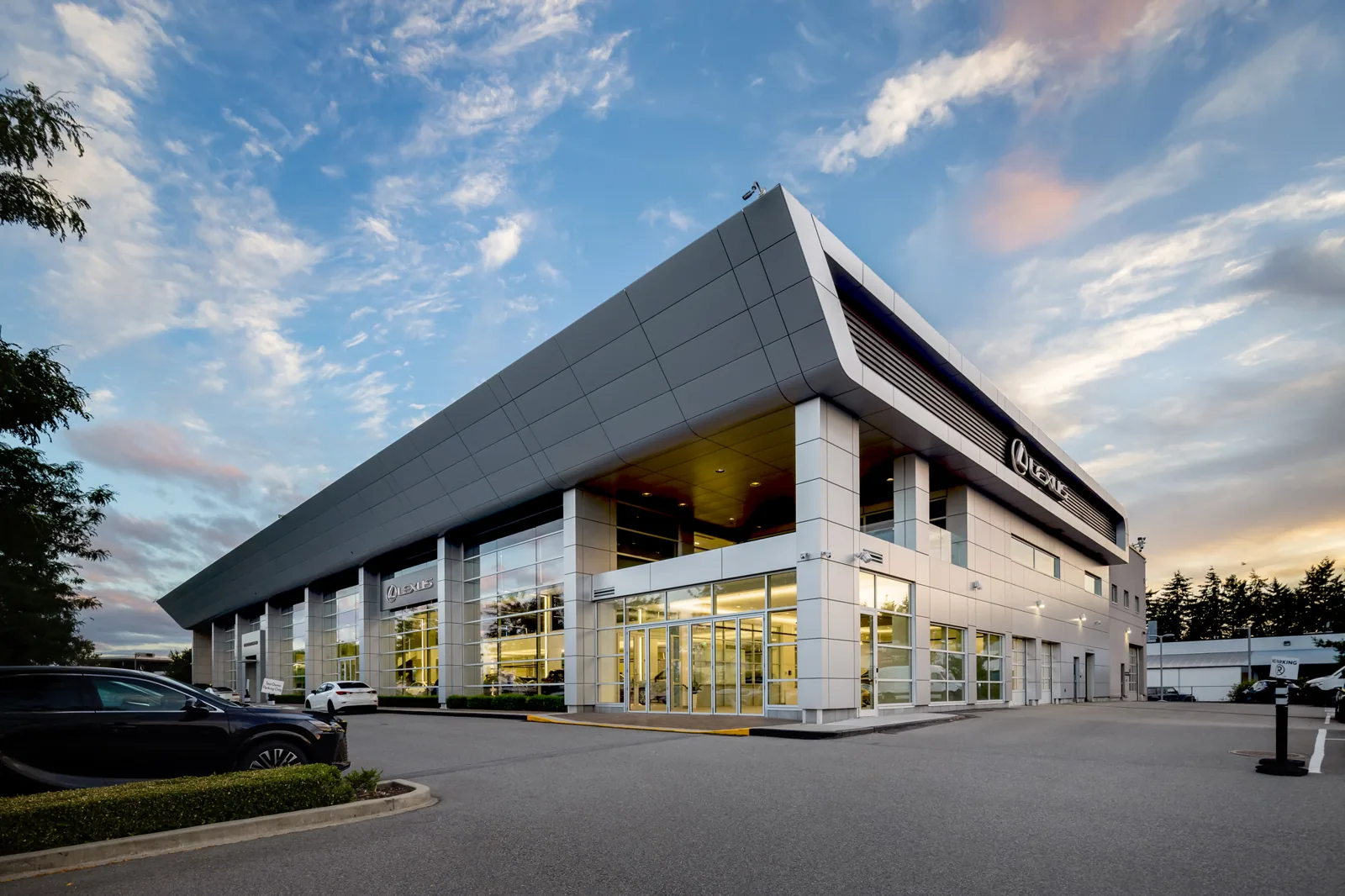
A dealership can have morning service appointments arriving while sales staff prepare the showroom and inventory is being moved across the lot. Before planning roof work in Joliet, we walk the customer entrance, vehicle rows, service access, drains, curbs, and metal transitions to choose a workable sequence. Joliet station normals record 14.9 days per year with highs of at least 90°F, alongside winter freeze-thaw conditions. The work date still controls surface preparation, adhesive handling, and dry-in decisions. We record the assembly and observed concerns, then set a repair boundary or replacement scope that fits the field. A commercial roof inspection puts photographs and access limits in front of facilities and the general contractor before a lift or delivery is booked.
Showroom, Lot, and Service Drive
Inventory and customer parking can occupy the same pavement needed for a lift or debris container. We identify display rows, accessible parking, the service lane, parts delivery and emergency access, then mark where staging can happen without blocking a sales entrance. Regional freight movement is only background for scheduling; the dealership's posted gate hours, inventory rows and service appointments set the working plan. We verify truck turning, vehicle relocation and a clear emergency route with the manager. The site walk confirms actual turning space and access controls. We schedule lift placement with the dealership contact and identify who moves vehicles before work begins. An occupied-building sequence separates noisy preparation, customer-route changes and daily closeout so the sales floor can continue operating where the site allows.
The service shop may need a different protection plan from the showroom. We mark bays below the work, note any equipment or vehicle that cannot move, and state when a bay can reopen. If a curb or exhaust fan needs to be lifted, the mechanical handoff belongs in the schedule. We keep each building or addition on its own roof plan, because the service annex and showroom may not share a membrane or drain arrangement.
Leaks, Hail, and Sheet-Metal Edges
NWS Chicago’s July 2023 account traces a tornado through Minooka, Shorewood and Joliet and records damaging hail and wind across the I-80 and Kankakee River Valley area. A dealership inspection still ties any finding to the actual showroom or service-bay roof. The dealership roof still needs its own documented walk after an event. We document the roof walk's findings at panel edges, curbs, drains, and equipment, then coordinate temporary dry-in around vehicle movement and service operations. A storm-damage review defines the inspected boundary and identifies repair decisions that need the owner's approval.
Dealership buildings can combine broad low-slope roofs with higher showroom walls or canopies. We inspect the connection between those surfaces, including coping, counterflashing, gutters, and fasteners. If water has entered behind metal, a patch to the field membrane may leave the path open. We list each transition separately and note the material that needs repair. For a broader roof replacement, the scope identifies the canopy and showroom areas independently so crews do not apply the same detail where the assemblies differ.
Repair Limit and Replacement Sequence
A local repair is useful when the surrounding surface is secure and the defect can be cut back to sound material. We clean and prepare the assembly, rebuild the seam or flashing and photograph the finished work. A recover is possible only when moisture, attachment, added height and drainage all support it. Wet insulation, repeated leaks or deck deterioration can make removal a better path. Our recover evaluation checks those conditions before another layer is proposed. A replacement scope names tear-off limits, insulation, deck review, membrane attachment, edge details and the point where each day's work will be dried in.
Cost changes with equipment moves, curb count, roof height, vehicle protection, staging distance and the amount of tear-off. Timing also follows sales events, service appointments, parts deliveries and crane availability. We identify which parking stalls or bays need a temporary closure and who clears them. Joliet's summer heat and winter freeze days create different work windows; the forecast, substrate condition and manufacturer's application requirements guide the daily sequence. The roofer's scope can compare TPO with another assembly when project design and compatibility allow, without treating a white surface as the answer by itself.
Mechanical Handoffs and Closeout
Exhaust fans, HVAC units, conduit and rooftop signs need coordination before membrane work reaches their curbs. We identify the mechanical contractor, required shutdown, lift time and reset responsibility, then protect completed seams when equipment returns. A crane pick scheduled after the roof is closed can reopen the assembly, so the project team should set that sequence early. Joliet's building review uses adopted codes and local amendments, and some commercial work may require documents sealed by an Illinois-licensed professional. The owner and design team confirm the applicable review path. A condition report organizes roof findings and open design questions for that review.
Closeout should let a service manager locate repairs without crossing active work. We mark zones, photograph the membrane and metal details, and list exposed deck or insulation conditions. Any remaining work is separated from a completed repair. Plainfield's 119th Street and IL 59 trade area and Romeoville's employment centers near Weber Road and Route 53 add commercial activity to the subregion. The roof and lot plan still follow the dealership's actual buildings and vehicle routes. The property walk sets the access and inspection plan. For a Plainfield-area property, we confirm the exact entrance, lot route and work boundary before scheduling.
Different Buildings, Separate Roof Records
A dealership group may own a showroom, service building, parts warehouse and used-vehicle facility. Those structures can have different roofs, drainage and operating hours, so inspection findings stay separated by building. If the portfolio also includes a self-storage facility or a church building, we keep those access plans separate from dealership service bays and vehicle routes. Each roof record follows the assembly and operation of that building.
Preventive maintenance can return to drains, edge metal, seams and curbs after the repair. The visit records changes and follow-up items, giving the facilities lead a basis for capital planning. When a storm is reported, photographs from before the event can help compare visible conditions, but they do not substitute for a current inspection. We leave the record specific to date, location and roof zone, with a separate line for any item that still needs trade or owner approval.
Commercial Roofing Questions
Can roof work proceed while the showroom and service bays stay open?
We can phase work when access, interior protection and dry-in capacity allow. The plan identifies vehicle routes, customer doors, occupied bays, lift placement and the point each area can reopen. The dealership contact decides which appointments or sales events set a no-work window.
How do you inspect a leak over a service bay?
We compare the interior report with curbs, fans, seams, wall transitions and drains, then test selected areas for moisture. If opening the roof reveals wet insulation or deck damage, we record that separately and revise the repair limit through the agreed approval process.
Does a regional hail report establish damage to dealership roofs?
It supports checking the property after a reported event, but the roof itself sets the findings. We review membrane, metal edges, rooftop units and penetrations, photograph observed conditions and distinguish cosmetic marks from a failure that needs repair.
What can delay the replacement sequence?
Equipment moves, weather, vehicle relocation, material delivery, roof access and the number of areas that can be dried in each shift all matter. We identify those handoffs in the schedule and set a daily stopping point that protects the assembly if weather changes.
What does the final roof record show?
It shows each building and work zone, photographs of repairs, materials, test locations and any remaining condition. The service manager can then match a later report to the correct roof instead of treating every structure in a dealership group as one assembly.
Set the Dealership Work Sequence
Arrange a roof walk with Commercial Roofers Joliet to review service access, display areas, roof transitions and equipment handoffs. We will mark the dry-in boundary and customer-route changes before the scope is priced.
