Property Types We Roof
ROOFING SERVICES
Commercial Roof Leak Repair
Emergency Commercial Roof Repair
Commercial Roof Repair
Commercial Roof Inspection
Commercial Roof Maintenance
Commercial Roof Coating
Commercial Roof Replacement
ROOF SYSTEMS
TPO Roofing
EPDM Roofing
PVC Roofing
Modified Bitumen Roofing
Standing Seam Metal Roofing
PROPERTY TYPES
Warehouse Roofing
Distribution Center Roofing
Office Building Roofing
School Roofing
INDUSTRIES
DAMAGE REPAIR
CAPABILITIES
MANUFACTURERS
SERVICE AREAS
Self-Storage Roofing in Joliet, IL
Property Types We Roof
Plan self-storage roof repair or replacement in Joliet with unit access, drainage, fire-lane protection and phased work that keeps customer routes clear.
Self-Storage Roofing
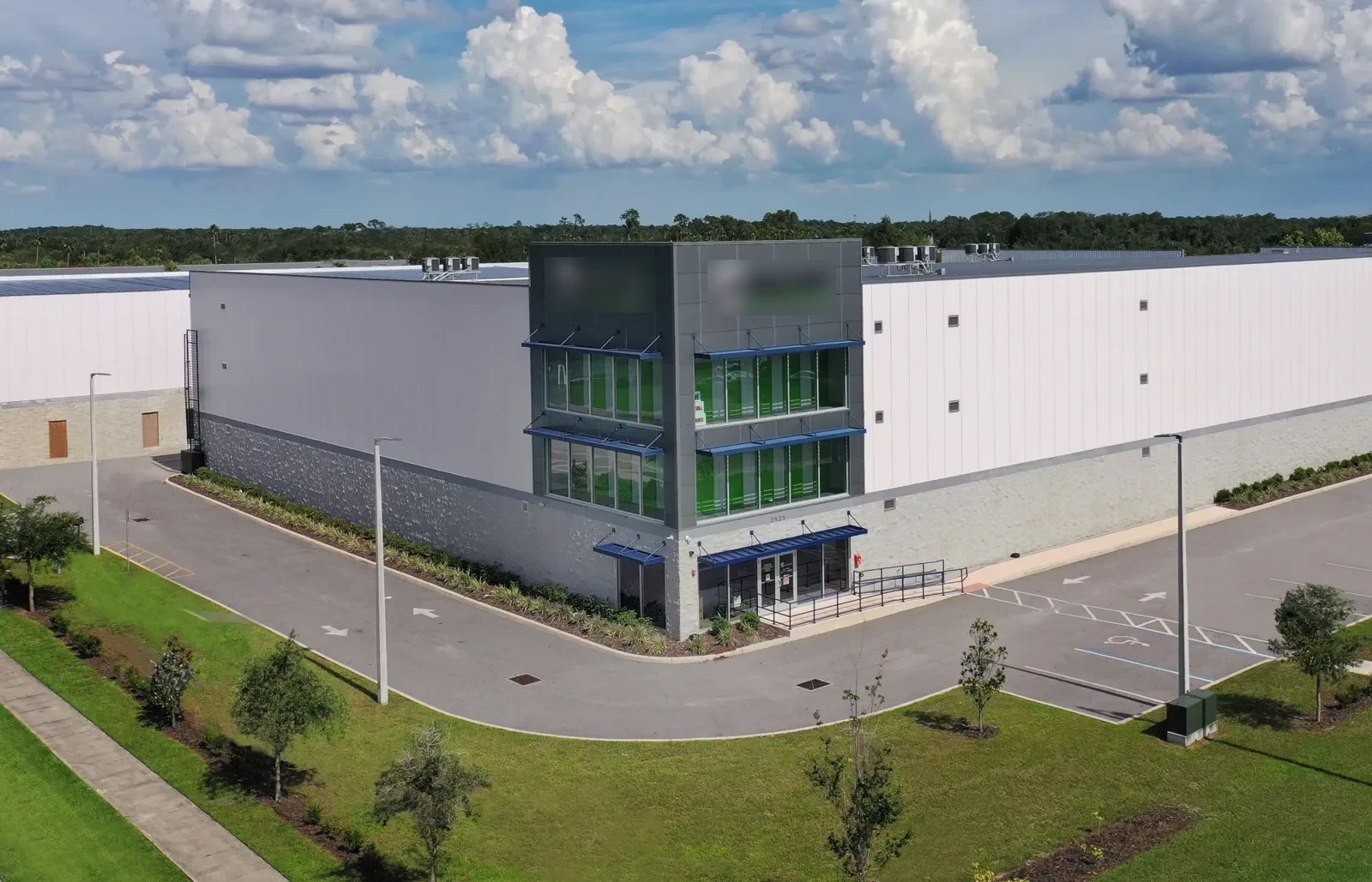
A row of occupied units can sit directly below the area scheduled for tear-off. For a self-storage roof in Joliet, IL, the project starts with unit access, drive aisles, fire lanes and the path material takes to the roof. We inspect seams, drains, edge metal, wall transitions and prior patches, then divide the assembly into areas that can be opened and dried in. At Joliet’s Brandon Road Dam station, 14.9 days a year reach highs of at least 90°F and 125.8 days have freezing minimums. In summer, surface and material limits set the work window; under freeze conditions, dry-in and snow removal shape the sequence. We record the field condition and identify where repairs stop or replacement begins. A roof inspection connects photographs to the storage rows beneath them before a staging zone is selected.
Unit Doors, Drives, and Fire Lanes
Customer access often follows the same aisle that a lift or debris cart would use. We walk the entrance, drive aisles and fire lanes with the site contact, then identify which rows can be restricted during a work shift. A delivery route for insulation or membrane may need to stay separate from the path tenants use to reach units. Joliet reports 22 business and industrial parks. A storage roof walk starts with the manager: mark aisles that must stay open, the fire lane and the row that can be released after dry-in. We record gate controls, turning space, overhead clearance and the material staging point. A phased roof sequence sets the work area, notice window and point when each aisle returns to service.
We note where fire protection, alarm circuits or security devices intersect the roof work. The facility manager confirms how customer notices and temporary closures are handled. Each plan names the person who can release a row, approve a route change and confirm that a gate can reopen after debris and equipment are cleared.
Drainage and Repeated Leak Patterns
A wet unit wall can point to a drain, seam or wall transition farther along the roof. We compare the reported area with membrane laps, curb details, downspouts and previous repairs, then use readings or test cuts to locate wet insulation. Joliet averages 38.03 inches of annual precipitation, and its normals include 16.9 inches of snow. That water must move through the designed drainage path; a blocked bowl or low area needs a different scope from a failed lap. We photograph each test location and set the boundary at sound material. For a localized issue, a commercial repair can restore the detail; wet layers extending through a row may make a larger replacement section more practical.
Romeoville’s plan lists warehousing and manufacturing corridors along Weber Road, Taylor Road, Route 53 and the I&M Canal. Those freight routes can affect delivery staging between nearby jobs. At a storage property, the manager confirms truck access and aisle timing before material arrives, while we inspect the deck, insulation and drainage that control the repair. If water is trapped at a transition, we identify whether correction belongs to maintenance, roof slope or the assembly itself.
Patch, Recover, or Replace a Row
A repair is appropriate when the surrounding membrane is secure and dry enough to support a compatible patch. We remove loose material, prepare the surface, rebuild the transition and record its location. A recover can be considered when the existing roof is attached, dry and below the height limits at edges, drains and doors. Widespread wet insulation, repeated leaks or deck deterioration can shift the scope to removal. A recover review checks moisture, attachment and clearances before another layer is proposed. The replacement plan states tear-off limits, insulation, deck review, flashing and dry-in points by roof zone.
Cost and timing follow access, row phasing, debris handling, roof height, insulation thickness and the number of details. Closing a single drive aisle may be straightforward; shifting customers across an occupied property takes more coordination. We list the work area, notice period and daily closeout requirements so the facility can decide how to route tenants. In Joliet, snow and freezing lows also influence seasonal sequencing. If weather interrupts, the scope identifies what temporary protection secures the roof and what remains for a permanent return visit. A flexible EPDM system or a thermoplastic membrane may be evaluated against the existing assembly, design and exposure.
Edges, Vents, and Mechanical Curbs
Self-storage layouts can combine repeated roof bays with office, climate-control or service areas. Each penetration needs a detail that fits the equipment and membrane rather than a generic sealant bead. We inspect vent stacks, curbs, conduit, wall ends and edge metal for movement, open laps and failed attachment. If HVAC units must be lifted, the mechanical trade and roofer agree on who disconnects and resets each curb. A crane pick should happen before nearby membrane is closed wherever practical. A curb and support scope can separate that work from the roof field. A flex-industrial roof needs its own survey and load assumptions.
After reported wind or hail, we inspect coping, fasteners, seams and equipment supports, then map each observed defect to its roof section. Separate structures receive separate details, keeping patch preparation and membrane type matched to the assembly being repaired.
Tenant Notices and Maintenance Records
The operator needs a clear closeout for every row that was restricted. We mark completed roof zones, photograph repairs, note materials and record any insulation or deck conditions found during removal. The site contact can compare that plan with notices and gate changes, then confirm customer access is restored. Minooka lists two full I-80 interchanges, a dedicated truck route and CSX access. We confirm the delivery truck’s final turn, unloading point and lift route at the storage property before dispatch. The observations also give the next maintenance visit a clear starting point.
Elwood is about five miles south of Joliet, and its village identifies Elwood International Port as part of its business and industrial setting. A auto-dealership roof has different visitor paths; storage rows need their own gate and fire-access plan. We leave unresolved conditions separate from completed repair, then schedule attention to drains, seams and penetrations before the next severe-weather season. For a roof walk in the Joliet service area, we map the rows, drives and work boundary before choosing a start date.
Commercial Roofing Questions
How do you keep customers reaching their storage units?
We map occupied rows, drive aisles, gate controls and fire lanes with the manager before staging. The schedule identifies which route closes, its notice window and the alternate path if one is available. Work proceeds by zones that can be closed and dried in before a row is returned to customer access.
What can cause repeated leaks along one storage row?
The visible ceiling or wall mark may be offset from a drain, seam, curb or end-wall transition. We trace the likely path across the roof and test representative areas for moisture. The repair boundary follows the wet material and failed detail, not the length of the row by assumption.
Can you replace the roof without closing the whole property?
Often the project can be divided into smaller roof areas, but the property layout and dry-in capacity set the limit. We identify customer routes, access for emergency vehicles, debris paths and any office or climate-control operation that cannot pause. The work plan then names each restriction and release point.
When is another roof layer a poor choice?
Moisture within insulation, weak attachment, deteriorated deck or insufficient height at drains and edges can rule out a recover. We inspect and test before that decision, then state the repair or removal boundary. If conditions vary by roof section, the scope keeps those zones separate.
What should be included in the closeout package?
A marked plan should show repaired rows, test locations, materials, dated photographs and any remaining condition. Keep temporary protection and permanent work distinct. The manager can use the record to reopen routes confidently and direct the next maintenance visit to the details that matter.
Map the Storage-Row Work Zones
Arrange a roof walk with Commercial Roofers Joliet to review gates, occupied rows, drains and debris access. We will set the dry-in boundary and customer route handoffs before the scope is priced.
