Property Types We Roof
ROOFING SERVICES
Commercial Roof Leak Repair
Emergency Commercial Roof Repair
Commercial Roof Repair
Commercial Roof Inspection
Commercial Roof Maintenance
Commercial Roof Coating
Commercial Roof Replacement
ROOF SYSTEMS
TPO Roofing
EPDM Roofing
PVC Roofing
Modified Bitumen Roofing
Standing Seam Metal Roofing
PROPERTY TYPES
Warehouse Roofing
Distribution Center Roofing
Office Building Roofing
School Roofing
INDUSTRIES
DAMAGE REPAIR
CAPABILITIES
MANUFACTURERS
SERVICE AREAS
Church Roofing in Joliet, IL
Property Types We Roof
Plan church roof repair or replacement in Joliet with worship schedules, sanctuary protection, flashing details and a dry-in plan for occupied buildings.
Church Roofing
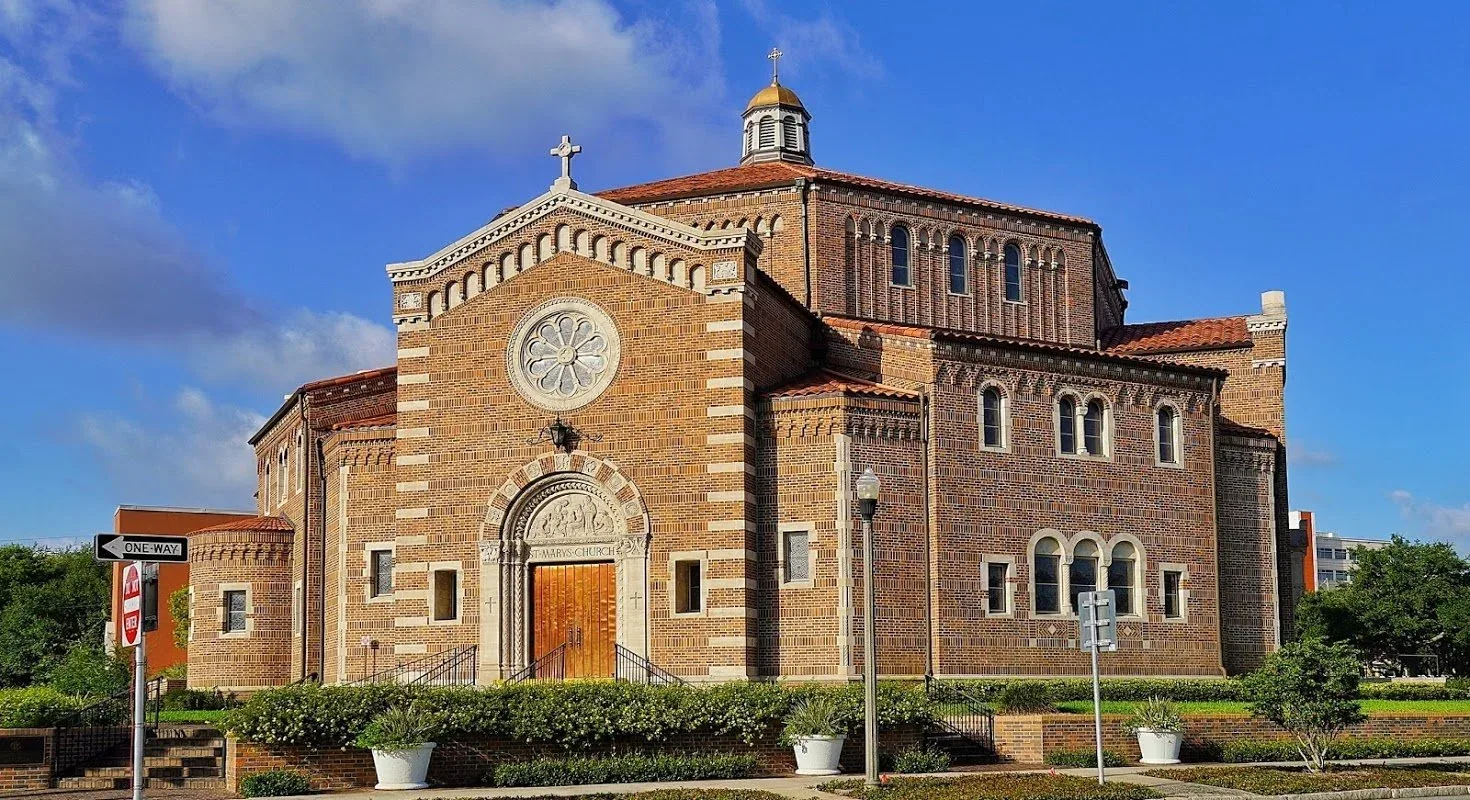
A Saturday service or weekday program can leave a narrow window for noisy roof work. At a church in Joliet, IL, we first identify entrances, classrooms and community rooms that cannot be blocked. Then we inspect membrane, drains, tower transitions and penetrations, and set the opening limit and daily dry-in point. Brandon Road Dam’s normal snowfall is 16.9 inches, and the station records 125.8 annual days when lows reach 32°F or less. Before reopening a sanctuary or fellowship space after winter, we check the drains and flashing above the affected rooms. Drainage and flashing deserve a close look after winter weather. We document the condition before choosing repair, recover or replacement. A commercial roof inspection gives the committee and general contractor photographs to review before a work date is set.
Service Calendar and Access
Worship and community use often share entrances and parking. We ask which services, school programs or events cannot be interrupted, then identify roof zones that can be opened and dried in between them. Material drops and lifts need a route clear of the main entry. Joliet has 22 business and industrial parks, while the Elwood/Joliet subregion is a critical freight area. Those regional conditions can shape delivery timing, but the church property sets its own roof access and work limits. A phased occupied-building plan puts the actual calendar, roof zone and entry restrictions into the scope.
Roof geometry also controls access. A low-slope sanctuary wing may meet a pitched section, tower wall or later addition. We note those transitions, lift needs and fall protection before the bid is set. The scope states who releases roof access, protects rooms below and confirms that an entrance can reopen. That handoff keeps a completed zone from sitting idle because a corridor has not been released.
Where Water Enters the Assembly
When a congregation reports a leak after severe weather, we first protect the room in use and then inspect the roof detail above it. For a church roof near Joliet, storm documentation must stay property-specific: the NWS Chicago July 2023 report traces a tornado from Minooka through Shorewood to Joliet and separately records damaging hail and wind in the I-80/Kankakee River Valley region. That event cannot show whether a particular church roof was affected. We photograph the membrane, tower transitions, parapets and nearby penetrations at the authorized property, then state which areas were inaccessible. The storm review can document observed conditions while entrances and scheduled programs remain part of the repair sequence.
Several construction eras can leave different membranes and drainage patterns on one property. We identify material changes before selecting a patch method. A small defect that reaches sound material may need repair; repeated leaks, wet insulation or damaged deck can move the decision toward removal. Photographs stay tied to the correct roof zone.
Details at Towers and Transitions
Where a flat roof meets masonry, tower or addition, termination and counterflashing need their own scope line. We check whether the metal is secure, how water leaves the wall and whether membrane turns up to a stable termination. Covering loose metal can leave the failure below a new surface. We note what must be reset or replaced and whether the roof field is dry. A coping and edge-metal scope can accompany the membrane work. On a low-slope section, modified bitumen may be compared with single-ply assemblies against the actual design.
Joliet Brandon Road Dam station normals include 38.03 inches of annual precipitation. We record drain bowls, strainers, sumps and downspout transitions, especially where several planes feed few outlets. Ice can hide a blockage, so winter findings may need a follow-up after thaw. The report separates a cleaning need from a slope or assembly issue.
Choosing the Work Boundary
A focused repair can restore a seam or flashing when surrounding materials remain sound. We prepare the surface and rebuild the detail with a compatible system. A recover may fit when the assembly is dry, attached and low enough to preserve drain, edge and doorway clearances. Widespread moisture, recurring failure or deck deterioration can call for replacement. A recover review checks height and moisture before another layer is considered. The scope lists tear-off limits, deck review, insulation, attachment, flashing and the dry-in method for each phase.
Cost follows access, roof geometry, tear-off, interior protection, metal work and debris handling as well as area. A tower can add lift and fall-protection needs. We set a daily stopping point that can be made watertight, and identify temporary cover if weather interrupts. A municipal roof has different operating details, but its building-specific access plan also begins with the actual field condition. A church project still needs its own scope and calendar.
Permits, Trades, and Closeout
Roof work can affect HVAC, sound equipment, conduit and lighting. Before a curb moves, we identify who disconnects and resets each unit, mark crane-pick zones and define who closes the opening at shift end. Joliet applies adopted codes and local approval requirements; some commercial documents may need an Illinois-licensed professional's seal. The owner and design team confirm the permit path. A self-storage roof may share membrane details, but worship access and event timing remain specific to this building.
A mechanical trade may need a unit lifted while a roofer has an open zone. We schedule that handoff before laying membrane, protect finished work during the pick and confirm the curb is flashed after reset. If the unit cannot move in the planned window, we keep the dry-in point clear and return when the opening can be completed. Closeout marks completed zones on a roof plan, photographs seams and transitions, and records materials and exposed deck conditions. Elwood is about five miles south of Joliet. Healthcare and education are significant sectors in New Lenox, which includes Silver Cross Hospital as a major area institution. We leave open questions separate from completed work and arrange maintenance visits for drains and transitions. For the Joliet service area, we review access, active rooms and the area that can be opened safely.
Commercial Roofing Questions
Can the crew avoid work during worship services?
We build the work zones around the congregation's calendar and the entrances that must remain open. The schedule identifies noisy preparation, crane activity, material delivery and daily dry-in. If the roof cannot be safely opened and closed in the available window, we adjust the zone or select another work date with the property contact.
How do you inspect a leak near a sanctuary tower?
We trace the reported area through roof-to-wall transitions, coping, counterflashing, seams and nearby drainage. Moisture readings or a selective opening help confirm whether water reached insulation or deck. The repair follows the exposed boundary, with photographs tied to the correct roof slope and room below.
Does hail or tornado reporting mean the whole church roof is damaged?
No. A regional storm record is a reason to inspect, not a finding for each property. We check the membrane, metal edges, penetrations and rooftop equipment, then map observed damage and any concealed condition that needs an opening. The repair or replacement scope follows those findings.
When would a recover be unsuitable for a church roof?
Wet insulation, weak attachment, deteriorated deck, repeated detail failures or insufficient clearance can make another layer unsuitable. We test representative areas and check the edges, drains and penetrations before recommending a recover. If removal is needed, the scope describes protection and dry-in for occupied rooms below.
What will the building committee receive after the work?
The closeout can include marked roof zones, dated photographs, materials installed, completed repairs and unresolved conditions. It should also identify temporary measures and any return visit. That record lets the committee plan maintenance and explain the work without treating a single leak as a roof-wide diagnosis.
Walk the Roof Before the Calendar Fills
Arrange a roof walk with Commercial Roofers Joliet to review worship access, tower transitions, drains and the daily dry-in boundary. We will tie the scope to the building calendar and the condition we can document.
