
Roof Damage Repair
ROOFING SERVICES
Commercial Roof Leak Repair
Emergency Commercial Roof Repair
Commercial Roof Repair
Commercial Roof Inspection
Commercial Roof Maintenance
Commercial Roof Coating
Commercial Roof Replacement
ROOF SYSTEMS
TPO Roofing
EPDM Roofing
PVC Roofing
Modified Bitumen Roofing
Standing Seam Metal Roofing
PROPERTY TYPES
Warehouse Roofing
Distribution Center Roofing
Office Building Roofing
School Roofing
INDUSTRIES
DAMAGE REPAIR
CAPABILITIES
MANUFACTURERS
SERVICE AREAS
Commercial Membrane Puncture Repair in Joliet, IL
Roof Damage Repair
Repair punctures on commercial membrane roofs in Joliet with a moisture check, system-compatible patch and clear limits for wet insulation.
Commercial Membrane Puncture Repair
A dropped clamp, loose screw or maintenance cart can leave a small puncture above a Joliet, IL production or storage area. We locate the opening, check for water beneath the membrane and confirm which roof system is installed before selecting a patch. A puncture may be pin-sized at the surface and still send water along insulation or a deck flute, so the ceiling mark does not set the repair size. We photograph the opening, inspect nearby seams and penetrations, and mark the area where moisture needs confirmation. Joliet supports logistics and manufacturing across a network that includes CenterPoint Intermodal Center; on an operating roof, the repair also has to fit the equipment route and access schedule. We can make a commercial roof repair that closes the membrane and addresses any wet material inside the verified boundary.
Find the Opening and Its Edges
We examine the puncture from a safe roof route and look for a dropped tool, fastener, sharp edge or foot-traffic path that may have caused it. The surrounding membrane is checked for cuts, abrasion, a raised edge and damage hidden beneath a loose object. At rooftop units, we inspect the service route, curb flashing and nearby seams. On a busy warehouse, a puncture can occur near staging or access lanes, but the repair still follows the material condition at the roof.
Water may travel beyond the spot where it entered. We compare interior reports with moisture readings and inspect laps downhill from the puncture, then recommend a selective core if the assembly needs direct confirmation. Brandon Road Dam normals show 16.9 inches of annual snowfall and 125.8 days when the minimum reaches freezing or lower. After a thaw, inspect the temporary cover and patch edge before closing the work record. Those conditions can leave moisture in an assembly after surface water is gone, making a dry-looking puncture area worth checking before it is closed. If readings indicate a wider wet zone, moisture mapping can help identify where a core or removal should be considered.
Protect the Opening Before Removing Material
When water is active, we protect the interior and install temporary dry-in if weather or moisture prevents a permanent patch. The protection has a defined edge, documented material and return condition. We tell the facility contact what can remain in service below and what area should stay clear while the roof is open. In a manufacturing building, an interior hold may be needed to move stock or isolate equipment. In distribution space, access for a lift, ladder or delivery must be coordinated around the loading plan. Our emergency response can control an active opening while the permanent material and work window are arranged.
A puncture caused during rooftop service should be distinguished from a split seam or a loose curb transition. We document each condition separately, then decide whether one repair can be performed with the same access setup. If the puncture touches an open lap, a seam inspection helps determine whether the seam itself needs work. If wind has also displaced nearby metal, we can record that condition in a separate wind damage review. The report keeps the original hole, adjacent defects and temporary protection visible as distinct items.
Install a Patch That Matches the Membrane
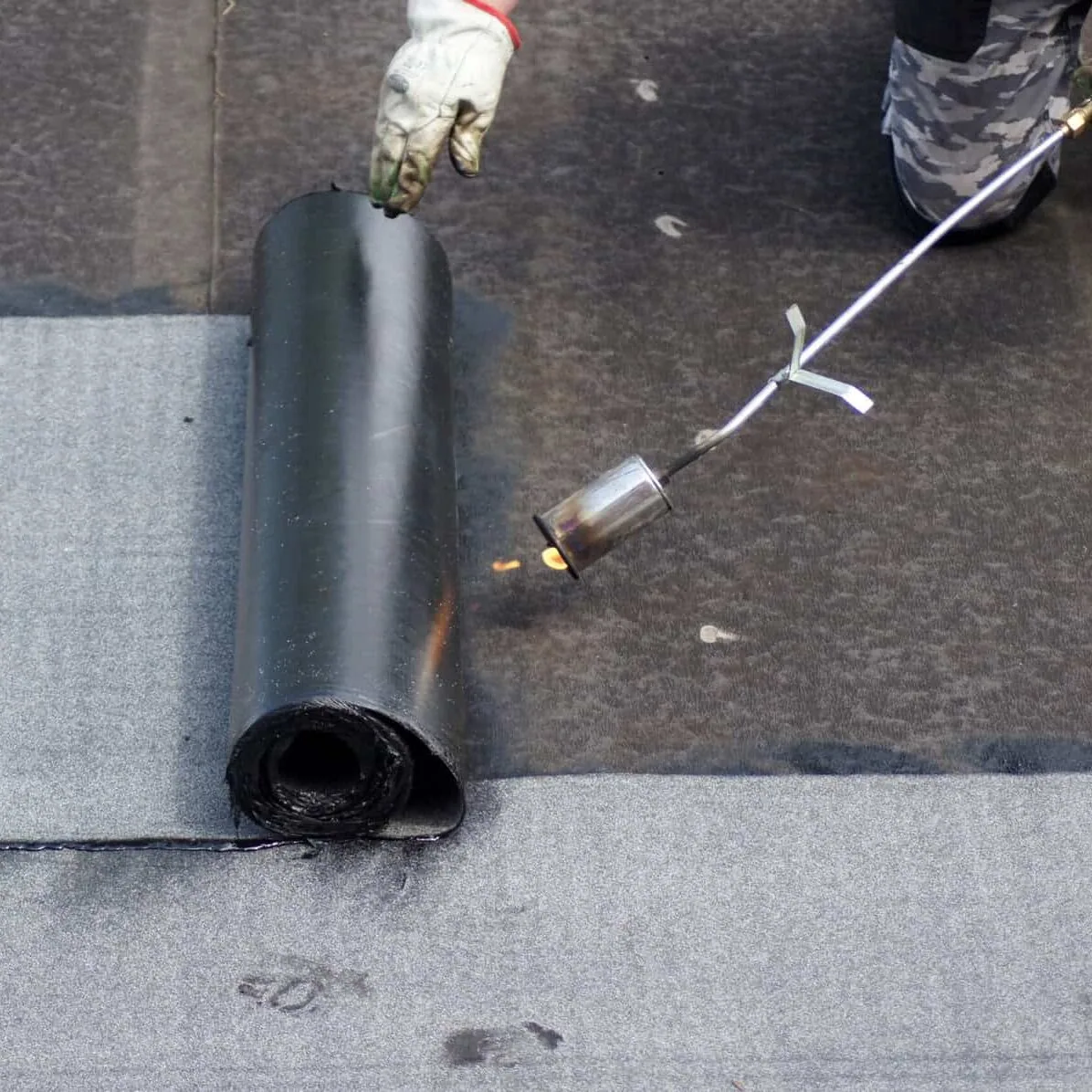
Before cutting or welding, we verify whether the field is TPO, PVC, EPDM or another membrane. A thermoplastic patch needs a clean surface, a sound weld and a sealed perimeter. EPDM requires compatible primer and splice tape. The repair detail changes when a coating or previous overlay covers the original sheet, so we verify the layers rather than applying material by color. Wet insulation that cannot remain is removed to a stable boundary, the deck is checked, and the assembly is restored before the patch closes the field. The work record names the material and patch dimensions so a future roof walk can recognize the repair. Where a cover board or insulation repair is needed, its edge is coordinated with the membrane tie-in.
Plainfield’s 119th Street/IL 59 intersection is an existing commercial trade area; the building’s own access and roof condition still control this repair. We plan access using the actual building contact, equipment and roof layout. On a roof used by several service trades, we identify the puncture risk and the route to reach it without dragging tools or materials over finished membrane. We photograph the repair area before and after work and check that the patch perimeter remains bonded. A second inspection is considered if the roof cannot be tested or reached safely during the initial visit.
Keep Wet Material and Surface Damage Distinct
The puncture and any wet insulation are different work items. A patch can close a hole while leaving wet material below it, so we report the moisture boundary and replacement need separately. A core sample identifies layers and condition at one point. We use it with readings and interior observations rather than treating one sample as the condition of the entire section. If water has reached the deck, we document its condition and identify whether another trade or design review is needed before closure. Joliet uses adopted building codes with local review, and project-specific documents may be required when a repair grows into a larger assembly change. We flag that scope line before procurement.
When the field around the puncture is brittle, repeatedly patched or broadly wet, the owner may compare spot repair with a recover or replacement plan. We explain the affected area, access, materials and open questions so the estimate does not convert a small surface opening into an unsupported roof-wide claim. A roof condition report can carry photographs, repair dimensions and core results into the capital file. For a planned visit in the Joliet service area, we coordinate a return check with the building operator and note any area that remained inaccessible during the first repair.
Close the Repair and Record the Access Route
After the patch is installed, we check its edges, nearby seams and drainage path, then clear the work zone of screws, cut membrane and packaging. The facility contact can compare the finished area with the interior report and confirm whether protection below can be removed. The closeout states whether moisture testing found a larger affected area, whether insulation was replaced and whether another visit remains open. If a service route passes near the repair, we can mark the path and note where tools or carts should not cross unprotected membrane.
A tornado crossed Minooka, Shorewood and Joliet in July 2023, while hail and wind affected the wider region. The roof inspection locates this puncture. A maintenance check can revisit the patch after nearby equipment work or severe weather. If other punctures or scrapes appear, we record each location rather than cover a broad area with an unbounded coating. The report gives the general contractor and facility manager a clear handoff: what was punctured, how it was restored, what remained below and what needs another decision.
Commercial Roofing Questions
Can a small puncture lead to a larger wet area?
Yes. Water may travel beneath the membrane through insulation or along the deck before it reaches the interior. We use readings and selective cores where needed, then set the removal boundary from the confirmed assembly condition.
Can you patch a roof after an HVAC technician has left?
The response begins with the reported area, the puncture and roof access. If the opening is active, temporary protection can control water while we confirm the membrane type and prepare the permanent patch.
How do you choose patch material for a commercial membrane?
Material choice starts with identifying the installed system and checking for coatings or prior overlays. TPO, PVC and EPDM use different repair materials and methods. The patch extends onto clean, bonded membrane and receives a perimeter check.
Should wet insulation be removed under every puncture?
Removal depends on readings, sample results and the condition of the material. A surface hole may not wet the insulation, while a small opening can allow water to travel farther. We mark confirmed limits before cutting back the assembly.
How can a Joliet facility reduce repeat punctures?
A facility can reduce repeat punctures by marking service routes and protecting membrane near equipment. A maintenance visit can check the patch and nearby traffic area after rooftop work or severe weather.
Locate the Puncture and Check Below It
Arrange a roof review to confirm the membrane type, mark the opening and check for wet insulation. We will document the patch boundary, access plan and any separate repair that affects the work.
