
Roof Damage Repair
ROOFING SERVICES
Commercial Roof Leak Repair
Emergency Commercial Roof Repair
Commercial Roof Repair
Commercial Roof Inspection
Commercial Roof Maintenance
Commercial Roof Coating
Commercial Roof Replacement
ROOF SYSTEMS
TPO Roofing
EPDM Roofing
PVC Roofing
Modified Bitumen Roofing
Standing Seam Metal Roofing
PROPERTY TYPES
Warehouse Roofing
Distribution Center Roofing
Office Building Roofing
School Roofing
INDUSTRIES
DAMAGE REPAIR
CAPABILITIES
MANUFACTURERS
SERVICE AREAS
Commercial Heat and UV Roof Damage Repair in Joliet, IL
Roof Damage Repair
Evaluate heat and sun exposure on commercial roofs in Joliet, distinguish surface aging from failure, and define repairs by verified roof zone.
Commercial Heat and UV Roof Damage Repair
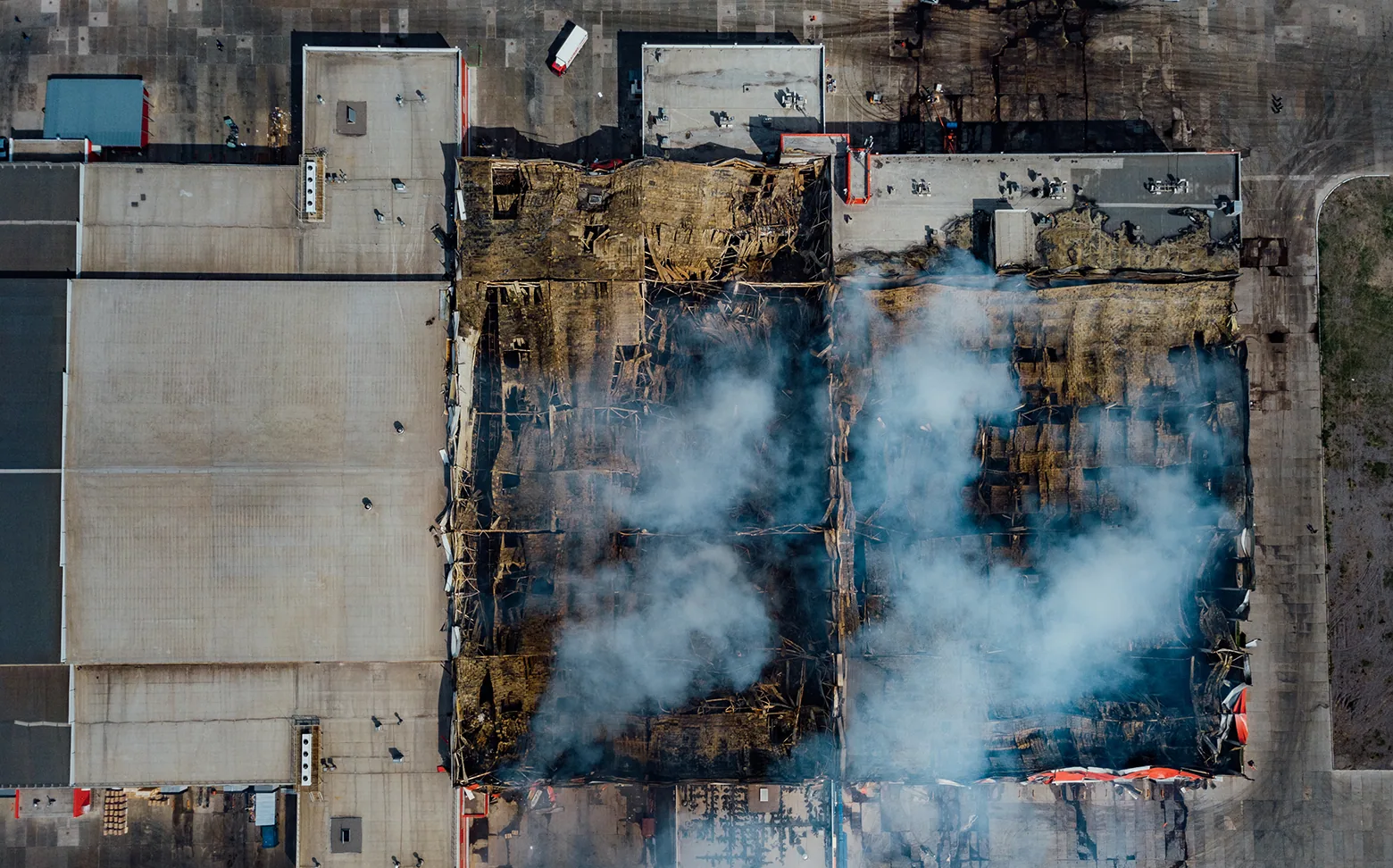
A Joliet distribution roof puts two clocks into the repair plan: surface temperature and the dock schedule below. Long sun exposure can age coatings, dry sealants and increase movement at seams and rooftop details. A faded surface does not by itself set replacement scope. We compare suspect areas with sound material and record cracks, open laps, brittle transitions, ponding and moisture separately. Joliet station normals include 14.9 days a year with highs at or above 90°F, so coating and sealant limits belong in the work sequence. A Joliet-area roof inspection can sort visible aging from active leakage or assembly damage.
Identify the Roof System Before Evaluating Aging
We identify whether the roof is TPO, PVC, EPDM, modified bitumen, a coating or metal, then review any prior overlay, patch and warranty history provided by the owner. A surface can look worn while the membrane beneath remains serviceable, or it can appear intact while a seam or flashing has opened. We check representative field areas, transitions, drains, curbs and penetrations. Photographs include enough context to locate each observation later, and the report separates discoloration from cracks, adhesion loss or a confirmed opening. We can compare those images with prior maintenance records, note which roof sections have different membrane or coating histories, and set repeat inspection points where changes should be watched.
UV exposure affects materials differently, so a repair is selected for the installed system rather than appearance alone. On coatings, we check thickness, adhesion and substrate condition where accessible. On membrane, we inspect welds or splice edges, and on metal we review fasteners, laps and coatings. A test patch or manufacturer-compatible procedure may be appropriate before broader work. If a seam is open, a seam-failure assessment can define that defect separately from general surface aging.
Review Hot Areas Around Equipment and Drainage
Rooftop units, exhausts, piping and dark surfaces can create conditions different from the open field. We inspect nearby membrane for heat-related change, failed sealant, movement or damage caused by service traffic. Equipment clearance, condensate routing and maintenance access are noted because repeated foot traffic can abrade a roof even when the surrounding surface is sound. The mechanical contractor evaluates equipment operation; our scope addresses the roof interface and waterproofing.
Low areas and drains also deserve attention. Heat can soften some materials while ponded water and debris keep a section wet. We document the depth and extent of visible ponding, check drainage paths and look for moisture signs around the assembly. Joliet station normals include 38.03 inches of annual precipitation; drainage paths and outlet condition deserve a place in the Diligence Notes. Where readings suggest trapped moisture, a moisture survey can help select areas for confirmation. Before coating, we check substrate moisture and adhesion; temperature guides the work window, while observed defects set the repair boundary.
Choose Maintenance, Coating or Membrane Repair
Maintenance may be enough when the membrane remains bonded and defects are limited to serviceable sealant, debris or minor detail work. A coating can be considered only after confirming substrate dryness, adhesion, compatibility, thickness and drainage conditions. It should not bridge active seams or conceal wet material. If an opening or failed lap is present, we specify a system-compatible repair with surface preparation and a verified tie-in. Where cracking or brittleness is widespread, the owner can compare localized work with a recover or replacement plan.
Joliet's logistics and manufacturing base, alongside retail and office activity, puts roof work inside varied operating schedules. We confirm the assembly and daily access with the facility contact, then identify which trade owns an equipment or electrical issue and whether a test will change the repair boundary. A commercial roof coating review can assess whether coating is appropriate; a roof repair scope can address a localized opening. These are distinct options with their own preparation and closeout requirements.
Keep Weather-Related Defects in Separate Scopes
Heat exposure can coincide with wind, hail or freeze-thaw movement, but each condition needs its own evidence. We record lifted edges, impact marks, open laps, punctures and worn coating as separate observations. Regional severe-weather records for Will County can help place a reported event in context; they do not prove a specific building was affected. If wind damage is reported, a wind-damage inspection can document displacement apart from UV aging. When hail is also suspected, a hail-damage review keeps impact findings distinct.
Water entry is traced from interior reports to roof-side details where access allows. Moisture readings and selective cores can indicate whether insulation or cover board should be opened. The repair boundary follows confirmed conditions rather than a broad area chosen from a stain or faded section. If the roof is active during work, we coordinate protection and a daily weather-tight closure. The closeout records the materials used, tested areas and any limitation that requires a return visit.
Plan the Work Window for the Building
Joliet and the surrounding commercial region include active industrial, retail and office properties. We confirm roof access, loading schedules, lift placement, interior protection and occupied hours with the facility contact before work starts. Near Plainfield's 119th Street/IL 59 commercial trade area, the work plan still follows the individual building's access rules and tenant needs. Materials are staged to avoid blocking drains or pedestrian paths, and work zones are sized so crews can close them against weather at the end of a shift.
For larger roofs, we can organize findings by section and schedule repairs around equipment service or tenant operations. The owner receives notice if opening the assembly reveals wet insulation, damaged deck or a condition that changes quantities. Any structural, mechanical or electrical question is referred to the responsible professional. A clear contact and change process reduces delay without encouraging a repair beyond the evidence.
Record the Baseline for Future Roof Walks
After repairs, we check patch edges, nearby seams, drain paths and flashing transitions, then remove loose debris from the work zone. Photographs show the treated area and surrounding surface so future inspectors can compare change rather than mistake the repair for original material. The report lists coatings or membrane used, preparation, quantities, moisture tests and open recommendations. If a section remained inaccessible, it is identified as uninspected rather than assumed sound.
Joliet's climate data can help owners set a seasonal inspection calendar, but recurring maintenance should respond to the actual roof and its use. A roof condition report can preserve a baseline and help compare later repair, coating or replacement options. For a property visit near Joliet, Plainfield or Minooka, the recommendations remain tied to the inspected assembly and the facility's priorities.
Commercial Roofing Questions
Does a faded membrane need replacement?
Not by appearance alone. We inspect system type, seams, transitions and moisture, then distinguish surface aging from a defect that affects waterproofing.
Can you coat over a roof that gets very hot?
A coating is considered after substrate condition, dryness, adhesion, compatibility and drainage are checked. The system needs proper preparation and stable material beneath it.
How do you check heat damage around rooftop equipment?
We inspect nearby membrane, seams, sealants and penetrations for visible changes. The mechanical trade evaluates the equipment; roofing work addresses the waterproofing interface.
Can sun exposure cause a roof leak?
Exposure may contribute to material aging, but a leak requires tracing the entry path and confirming a defect. We document those findings separately.
How often should a Joliet commercial roof be inspected?
Inspection frequency follows the roof system, age, drainage, service traffic and recent weather. A visit after major rooftop work can update the maintenance baseline.
Separate Surface Aging From Roof Failure
Schedule a roof review to identify the installed system, map heat-exposed details and check for moisture. We will outline a repair or maintenance scope from confirmed conditions.
