
Roof Systems
ROOFING SERVICES
Commercial Roof Leak Repair
Emergency Commercial Roof Repair
Commercial Roof Repair
Commercial Roof Inspection
Commercial Roof Maintenance
Commercial Roof Coating
Commercial Roof Replacement
ROOF SYSTEMS
TPO Roofing
EPDM Roofing
PVC Roofing
Modified Bitumen Roofing
Standing Seam Metal Roofing
PROPERTY TYPES
Warehouse Roofing
Distribution Center Roofing
Office Building Roofing
School Roofing
INDUSTRIES
DAMAGE REPAIR
CAPABILITIES
MANUFACTURERS
SERVICE AREAS
Silicone Roof Coatings in Joliet, IL
Roof Systems
Evaluate silicone roof coatings in Joliet with adhesion, ponding, flashing and repair details planned around weather, access and business operations.
Silicone Roof Coatings
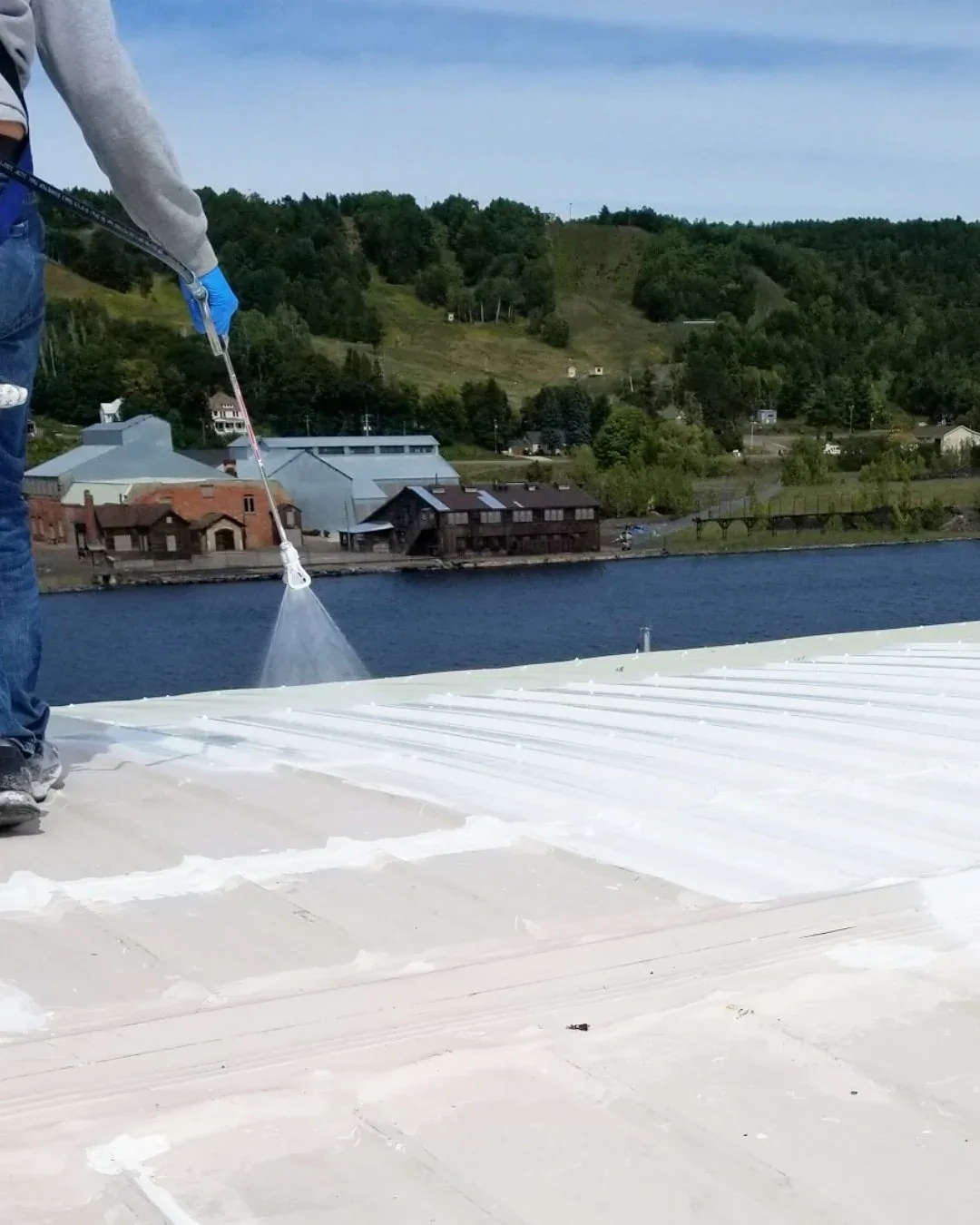
A coating crew cannot correct a wet roof by covering the evidence. Silicone roof coating work starts with the existing membrane, metal or foam condition, because adhesion and preparation control the result. On Joliet commercial properties, drains, curbs, rooftop equipment and loading schedules influence which areas can be cleaned and recoated at one time. We inspect for ponding, loose coating, failed seams, exposed foam, corrosion and previous repairs, then define what must be fixed before application. A roof condition inspection helps establish that boundary. Silicone may be considered where a roof has standing-water exposure, subject to the selected system and substrate requirements. We compare it with acrylic coatings for the site's drainage and weather conditions, and with SPF systems where foam repair is part of the work. The scope identifies surface preparation, repair areas, coating coverage, cure conditions and access limits in Joliet.
What the Existing Roof Can Support
Before coating, we check whether the existing surface is clean, dry, firmly attached and compatible with the new material. Loose coating, chalk, rust, grease and debris can prevent adhesion. We inspect seams and flashing separately because a coating over an open lap does not rebuild the detail. At a membrane roof, punctures, exposed insulation and loose terminations need repair first. On metal, fasteners, washers and panel laps must be secure. On SPF, wet or damaged foam needs to be removed and restored before the protective layer is renewed. We identify the substrate by roof zone and test representative locations according to the selected system requirements.
Ponding water needs a measured review. We locate low areas, check drain bowls and scuppers, and note how long water remains when observations can be made. Silicone systems may be suitable for certain ponding conditions, but coating thickness, substrate and warranty details depend on the product specification. Persistent water can still indicate blocked drainage or a deflected deck that requires separate correction. The coating scope should not imply that adding material will change the roof's slope. A drainage review identifies work at outlets and water paths. We also inspect parapet transitions, curbs and service penetrations to confirm whether they need reinforced details before coating.
Preparation, Repairs, and Coverage
Surface preparation usually includes cleaning, removal of unsound material, and repair of seams, fasteners, flashings or penetrations. The selected coating may require a primer or reinforcement at specific details. We map repair locations and document the prepared surface before application. At the roof edge, the coating needs a termination detail that prevents water from reaching beneath the film. At equipment curbs, corners and pipe boots, reinforcement can help maintain coverage through movement. We identify walk paths and areas where future service work may damage the finish. A perimeter inspection checks where the roof coating meets coping and edge metal.
At each transition, the crew checks that the coating turns up to the specified height and terminates against a stable surface. These details are measured before the pails arrive, so curb and edge work can be staged with the field application.
Historical reporting puts Minooka, Shorewood and Joliet within the path of the July 2023 tornado; hail and wind were also noted around I-80 and the Kankakee River Valley. That chronology is not a coating specification. At the test area, we check bond, identify exposed substrate and mark ponding separately from surface wear. If moisture or poor adhesion appears, the recoat stops at that boundary until the underlying issue is resolved. The written scope then distinguishes preparation, reinforcement and coating coverage by roof zone.
Recoat or Replace
Recoat work can extend a serviceable roof when the membrane or metal remains sound and the existing surface can accept another layer. We measure or verify existing coating condition, identify areas needing repair and determine the specified coverage. If the assembly is wet, loose or structurally compromised, coating is not a substitute for replacement. We use openings or testing to confirm concealed conditions where needed. A restoration proposal separates roof repairs, cleaning, primer, reinforcement and coating application. If the roof needs a larger assembly change, a recover assessment can compare what remains with what has to be removed.
Cost and timing change with cleaning method, repair quantity, surface type, primer, reinforcement, coating thickness, access, masking and cure time. Rooftop units and vents need protection, while wind direction can affect where work can proceed. We coordinate equipment access and delivery windows with the GC, then sequence work so finished areas are not crossed before cure. The scope states how drains remain open, where materials can be staged and how an uncoated stop edge will be secured. If test areas fail adhesion, we revise the boundary before ordering the full material quantity. That decision is recorded for the owner before broad application begins.
Application Conditions on an Active Building
Silicone application may require cleaning equipment, coating pails, lifts and masking materials to be staged close to the roof access point. Joliet's freight and industrial activity makes delivery access a regular planning item, but the property's own loading and security rules determine where the crew can work. We confirm truck access, roof entry, forklift or crane use, fire lanes and active docks with the site contact. We also mark equipment intakes, skylights and vehicles that need protection from overspray or cleaning runoff.
Occupied areas below may need notice before cleaning or repair begins. Mechanical trades identify equipment work that should happen before coating, and the handoff states who restores any detail disturbed afterward. Each shift ends with drains clear, open containers secured and the work area protected from foot traffic. Closeout photographs show the repaired substrate, reinforced details, coated areas and any remaining task. A maintenance plan can revisit ponding, seams and coating wear through the seasons. Commercial Roofers Joliet serves the Elwood area; the GC and property contact can review delivery and application timing before staging begins.
Commercial Roofing Questions
Can silicone be applied where water ponds on the roof?
Some silicone systems are intended for ponding exposure, but the selected product, substrate and installation details determine suitability. We inspect drainage and the condition below the water before coating. A blocked drain or damaged assembly needs separate correction, even if the coating can tolerate standing water.
Does a silicone coating repair failed seams?
The seam must be repaired and prepared before coating. We inspect the lap, remove loose material and install compatible reinforcement where the system calls for it. The coating protects the prepared surface, while the repair restores the seam detail.
How do you determine whether an existing coating will bond?
We inspect surface cleanliness and condition, then test representative areas using the selected system requirements. Chalk, grease, rust, moisture or a failing prior layer can affect adhesion. If the test area does not hold, we adjust the preparation or repair boundary before coating the full roof.
What weather window is needed for silicone coating?
The coating instructions set limits for surface moisture, temperature and cure. We check the forecast and roof condition before application, then divide the work into areas that can be completed and secured. Rain before cure can change the sequence and require inspection before work resumes.
What should a silicone coating proposal show?
It should identify cleaning, repairs, primer, reinforcement, coating coverage, drainage observations and access controls. We include any area that failed adhesion testing and explain whether it needs more preparation or a separate roof scope. Photos and a roof plan help locate the finished work.
Test the Coating Boundary
Arrange a roof walk with Commercial Roofers Joliet. We will inspect substrate, ponding, drainage and adhesion, then define repairs and coating zones around the weather window and site schedule.
