Service Areas
ROOFING SERVICES
Commercial Roof Leak Repair
Emergency Commercial Roof Repair
Commercial Roof Repair
Commercial Roof Inspection
Commercial Roof Maintenance
Commercial Roof Coating
Commercial Roof Replacement
ROOF SYSTEMS
TPO Roofing
EPDM Roofing
PVC Roofing
Modified Bitumen Roofing
Standing Seam Metal Roofing
PROPERTY TYPES
Warehouse Roofing
Distribution Center Roofing
Office Building Roofing
School Roofing
INDUSTRIES
DAMAGE REPAIR
CAPABILITIES
MANUFACTURERS
SERVICE AREAS
Commercial Roofing Along Route 30 in New Lenox
Service Areas
Commercial roofing along New Lenox Route 30. Plan inspections and repairs around measured roof conditions, access windows and business activity.
Commercial Roofing Along Route 30 in New Lenox
A commercial roof along Route 30 needs a scope based on the actual building, not a corridor label. Route 30 is a New Lenox business corridor, with Village businesses reporting $799 million in annual retail sales in 2023. Retail activity along the route brings varied delivery hours and customer access needs; the property contact confirms the building's actual use and roof assembly. We verify the address, authorization, roof areas, drainage and access before setting repair limits. The New Lenox municipal service area and Crest Hill service area pages describe nearby municipal coverage, while this corridor stays focused on Route 30 properties.
During a commercial roof inspection, the superintendent records membrane type, seams, curbs, drains, edge transitions and visible moisture clues. If water is active, commercial leak repair begins with interior protection and a documented exterior investigation. The initial plan separates immediate stabilization from any replacement decision, so the owner can review evidence and options without assuming the sales or traffic profile of the corridor predicts roof condition.
Route 30 Business Context and Property Scope
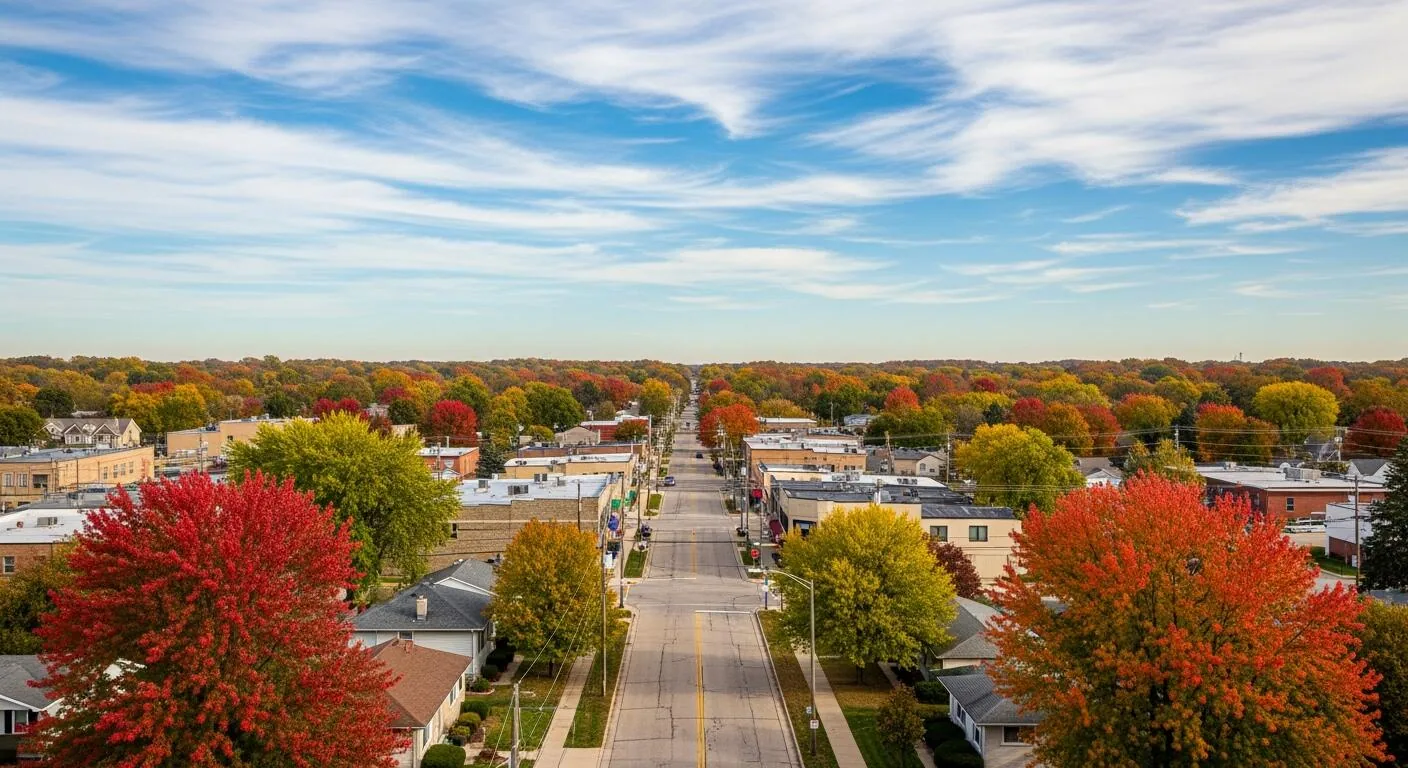
Route 30 serves retail, healthcare, corporate headquarters and food service businesses. Their delivery hours and customer routes vary, so the property contact confirms conditions before roofing work is priced. Our Diligence Notes identify what is present at the roof and ground level: occupancy confirmed by the owner, receiving access, customer entrances, rooftop equipment and any active construction interfaces. The owner supplies the property and building identifiers that define the authorized work area.
A shopping-center roofing scope, for example, may need an entrance-by-entrance work sequence if the owner confirms an occupied retail use. Another roof may be closed during construction or have a different mechanical layout. The distinction changes staging, temporary protection and crew access. We can coordinate a roof walk around an agreed site window, then issue a map and photographs that identify each observation, repair boundary and open question. Those details set the crew's staging and daily dry-in sequence.
Inspection Findings That Support a Defensible Scope
Start with a roof map that labels each level, drain, curb, penetration, perimeter and transition. During the commercial roof inspection, photograph representative seams and details, note visible ponding or displacement, and record where interior reports align with exterior conditions. A moisture survey may help target openings, but its limits and calibration belong in the report. The owner receives observations separately from recommendations, making it easier to compare a repair allowance with a later replacement budget.
At the end of the walk, review the sketch with facilities and the general contractor. Confirm which sections are accessible, whether any existing warranties affect repair methods, and who can approve concealed-condition changes. If the roof contains multiple systems or additions, show their boundaries instead of describing the entire property as one assembly. A marked photograph set helps another estimator understand the same conditions without relying on a vague note such as ‘leak near the center.’
Drainage, Interior Protection, and Occupied Access
Water often travels below the visible entry point, so trace the likely path before deciding where to open or patch. Check drains, scuppers, gutters, overflow routes, crickets and low areas; compare them with interior staining and owner reports. Identify whether a blocked drain, failed flashing, open seam or condensation question needs separate investigation. Do not promise that a surface treatment will correct a slope or structural problem. The proposal should name the observed condition, the work area and any testing needed to close the question.
For occupied businesses, ask the site contact to identify delivery periods, public entrances, sensitive interiors and routes that cannot be blocked. A roof condition report can organize dated photos, roof plan references, observed conditions and action priorities. Where several trades share a curb or penetration, coordinate sequencing before the membrane tie-in is closed. Temporary protection and end-of-shift checks should be assigned by area, not left as an informal expectation.
Weather Windows and Installation Decisions
The crew checks current weather and roof conditions before setting the work window. The project team confirms the current forecast, substrate condition, manufacturer requirements and safe conditions before installation. Protect open areas at each shift end, and keep a defined response if wind or rain changes the planned work. After a storm, document fresh impact separately from ordinary aging and prior repairs. Photographs with location references help the owner and contractor decide whether more testing is warranted before a broader claim or repair scope is prepared.
The roof assembly, moisture, attachment, load limits and edge condition guide a coating, recover or tear-off decision. The assembly needs to be checked for moisture, attachment, compatibility, load limits and edge condition. A TPO roofing system may be suitable only after deck and design requirements are reviewed. The written option should list preparation, flashing, drains, perimeter work, exclusions and concealed assumptions so price comparisons reflect comparable scope.
Sequencing, Alternates, and Closeout
The estimate should separate confirmed quantities from allowances and unverified conditions. Show the roof area, number of drains and curbs, perimeter footage, access method, disposal assumptions and protection measures. If pricing includes an alternate, state the trigger for using it and the information the owner must approve. preventive roof maintenance can make sense for tracking a known assembly over time, but it does not replace a repair when a detail has failed or water is entering the building.
Before mobilization, confirm the site contact, work window, material drop, lift location, pedestrian routing and emergency contact. At turnover, provide completion photographs, warranty documents when applicable, product and maintenance information, and a list of any work excluded or deferred. Record the condition of adjacent surfaces and identify who accepted the closeout. That package lets facilities staff distinguish completed scope from later observations and supports a practical next inspection instead of relying on memory.
A Field Review Before the Bid Is Final
For a Route 30 property, the useful next move is a site-specific roof walk. Bring current drawings if available, identify the building and roof sections, and share any active leak locations or access restrictions. We will document what can be verified, flag concealed conditions separately and provide a repair or replacement scope grounded in the observed assembly. For a second property in the area, keep its photos, quantities and approvals in a separate record. Each building receives its own measurements, quantities and repair decision.
For an older roof, retain records of prior patches, recover layers, warranty inspections and equipment changes when the owner can provide them. Those details can affect attachment, compatibility and the division between roof and mechanical work. We note missing records as an open item rather than filling a gap with a generic allowance. Clear assumptions let the owner decide whether to authorize a test opening or obtain a drawing before the final scope is issued.
Commercial Roofing Questions
Does the Village retail-sales figure describe this building?
No. The reported 2023 figure is for Village businesses. The owner or property manager confirms the property’s use, access rules and operating schedule.
Can a corridor address determine the roof system?
No. We inspect the actual roof and review available drawings, deck, drainage, attachment, penetrations and existing warranty requirements.
What should a leak visit include?
Identify reported interior locations, photograph the roof area above them, trace plausible water paths and note temporary protection or testing needed.
How are occupied entrances protected?
The site contact and superintendent confirm pedestrian routing, delivery periods, notices, protection and any area that must remain available.
What belongs in a replacement comparison?
Measured quantities, tear-off assumptions, insulation, membrane and flashing details, edge work, access, alternates and concealed-condition limits.
Review a Route 30 Roof Scope
Schedule a property-specific roof walk to verify access, drainage, assembly and repair boundaries before pricing.
