Service Areas
ROOFING SERVICES
Commercial Roof Leak Repair
Emergency Commercial Roof Repair
Commercial Roof Repair
Commercial Roof Inspection
Commercial Roof Maintenance
Commercial Roof Coating
Commercial Roof Replacement
ROOF SYSTEMS
TPO Roofing
EPDM Roofing
PVC Roofing
Modified Bitumen Roofing
Standing Seam Metal Roofing
PROPERTY TYPES
Warehouse Roofing
Distribution Center Roofing
Office Building Roofing
School Roofing
INDUSTRIES
DAMAGE REPAIR
CAPABILITIES
MANUFACTURERS
SERVICE AREAS
Commercial Roofing in Crest Hill, IL
Service Areas
Commercial roofing in Crest Hill, IL for mixed-use and industrial buildings. Document drainage, flashing and access before setting a repair schedule.
Commercial Roofing in Crest Hill
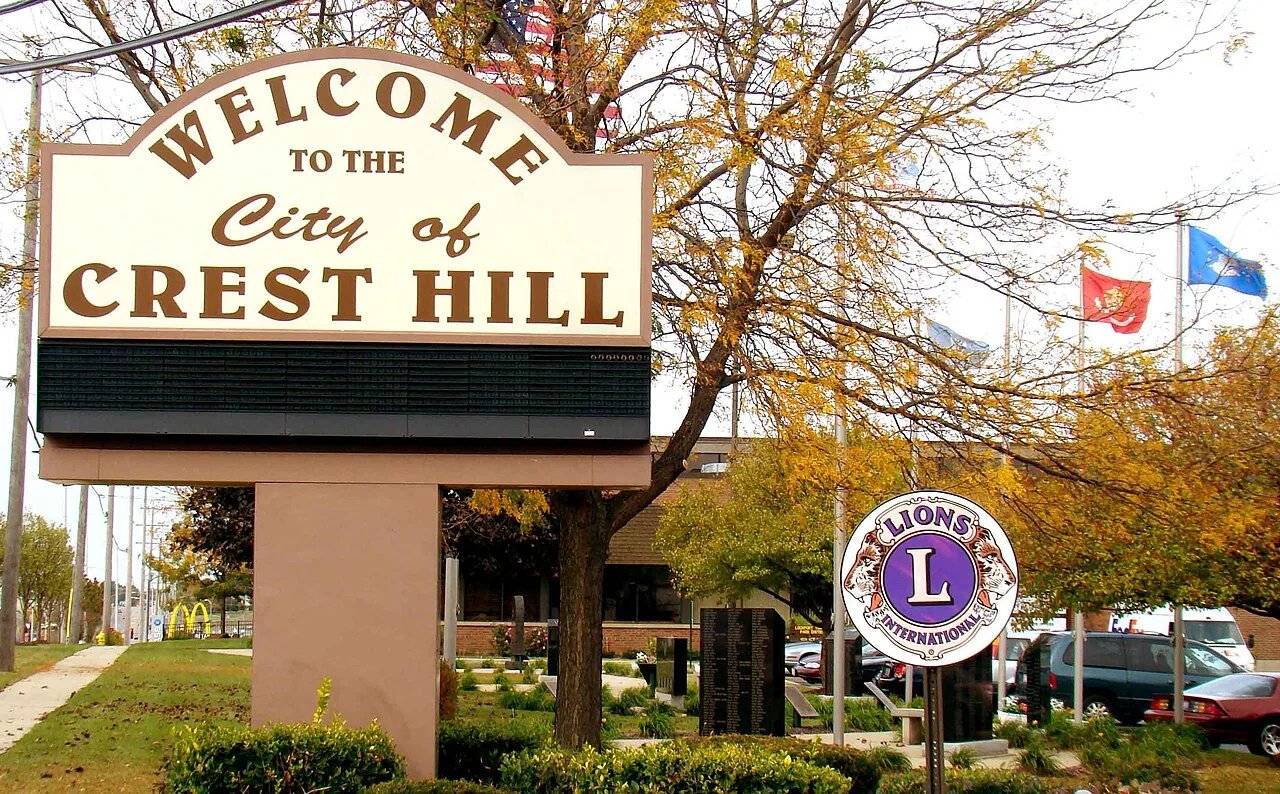
A superintendent setting a work sequence in Crest Hill, IL needs the roof scope to match the building and the access available that day. Crest Hill combines commercial corridors, industrial development and varied housing, with connections to I-55, I-80 and I-355. At the property, we identify the actual roof assembly before setting the scope. We start at the assembly, walk the perimeter, trace drains and note every curb or penetration before deciding whether the work is repair, restoration or replacement. A nearby Weber Corridor district review can inform access questions while the actual building condition remains the basis for scope.
For commercial owners and general contractors, the useful record is a map of what is wet, open, loose or sound. Crest Hill's ongoing infrastructure work also makes staging and utility coordination practical items to settle before a lift is scheduled. We document roof conditions, roof access and protected areas, then separate immediate water control from permanent correction. A commercial roof inspection gives the team a common baseline for pricing and sequencing.
Corridors, Access, and Field Conditions
I-55, I-80 and I-355 connect the area, but route access is not the same as roof access. A building entrance, loading area, utility easement and safe lift setup must be checked at the property. We ask the owner where deliveries approach, where tenants or employees move, and which areas can remain open during work. A field walk then records the path from site entry to roof access, including any changes in elevation or equipment that affect a crane pick.
Commercial corridors and industrial properties bring varied roof assemblies, so we identify each structure rather than applying a typical system. We record whether the roof is membrane or metal, where the drainage plane runs, and what details may restrict tie-ins. If an existing leak needs prompt attention, a measured leak repair can be separated from larger capital work. The report can also link the job to Joliet-area roofing coverage for owners comparing schedules across nearby properties.
What the Roof Walk Records
The walk begins with the surface and the places it changes direction. We inspect seams, laps, flashings, edge metal, drains, curbs and roof openings. A lifted termination or split flashing may be repaired at the detail, while a soft area or repeated ponding may point to a wider moisture or slope issue. Each observation is photographed and placed on a roof sketch with a note about its significance. That helps the estimator distinguish a localized detail from a pattern across the roof plane.
Moisture readings can add context when the membrane conceals the insulation, but they do not replace test openings or an owner-approved diagnostic plan. We compare readings with visible conditions and note uncertainty instead of treating one instrument result as a complete survey. A moisture survey may help locate areas for follow-up, and a condition report can document the difference between observed defects and recommended work.
Water Control and Drainage Details
Roof drainage affects the repair boundary and the time a work zone can remain open. We inspect strainers, drain bowls, overflow outlets, scuppers and any cricket that directs water around equipment. The report notes standing water and whether the pattern follows a low point, deflected deck or blocked outlet. A cleaning task may restore a drain that is obstructed; a settled roof plane needs a different conversation. The price should separate those conditions so the owner does not buy a coating where slope correction is required.
If public utility work crosses a delivery route, the superintendent confirms the current work zone and staging alternative with the property contact. The roofer should confirm existing discharge routes and avoid directing temporary runoff toward doors, loading zones or adjacent properties. A drain and scupper scope may include membrane tie-ins, while TPO repairs require compatible materials and a clean weld surface. Those details belong on the roof plan, not in an unqualified allowance.
Cold-Weather and Heat Windows
Joliet's Brandon Road Dam climate record includes winter freezes, annual snowfall and summer days at or above 90°F. Those regional conditions frame seasonal planning near Crest Hill; the crew checks the current forecast and actual roof surface before selecting an opening size. We inspect the roof's current condition and follow the selected product's application limits before setting a daily installation plan.
Cold weather changes adhesive cure and the handling of membranes; hot surfaces can shorten working time for some products and coatings. A forecast window also affects tear-off size and dry-in. The schedule should show what area can be opened, when it must be secured, and which work pauses if the surface is wet or outside product limits. Owners considering coating can compare restoration options with a silicone system only after adhesion, moisture and existing coating compatibility are checked.
Repair Boundary and Replacement Decision
A repair is useful when the defect is localized and surrounding material can accept a lasting tie-in. The scope should name the failed detail, how far the cutback extends, and what substrate will be replaced if it is wet. If moisture is widespread, repeated patching may leave the owner paying for access without correcting the underlying assembly. We compare the remaining serviceable area with the cost and disruption of a larger reroof, then show which assumptions could change once the roof is opened.
Crest Hill has two active tax increment financing districts and public infrastructure investment. A private roof budget still follows the owner's procurement and approval process, separate from municipal programs. A replacement scope can include tear-off quantities, edge metal, insulation, equipment handling and protection below. A replacement plan should identify where tie-ins stop, while a modified bitumen option must be assessed against the existing deck and use.
Access, Phasing, and Closeout
The general contractor can set the access window, but the roofing plan should show the work that happens inside it. We divide the roof into phases, protect openings at the end of each shift, and identify the dry-in line before tear-off starts. If tenants, production or deliveries remain active, the route for workers and materials should stay separate from pedestrian paths and equipment traffic. Weather delays need a resequencing plan that prevents an exposed area from waiting on another trade.
Closeout should include photographs, repair locations, materials installed and open recommendations. If a test cut finds wet insulation beyond the original limit, the owner receives the changed quantity and reason before the crew expands the work. That record supports warranty documents and future planning. For Crest Hill, the best next step is a roof walk that settles the condition, access and scope boundary in one discussion, before pricing is carried into a larger schedule.
Commercial Roofing Questions
Can a roof scope assume one system across Crest Hill?
No. The City describes different kinds of commercial and industrial activity, but that does not tell us what any roof contains. We identify the assembly and transitions during the walk.
How do you price work near an active corridor?
We price the roof work and state the access assumptions separately. Lift placement, delivery timing, protection and traffic controls should be confirmed with the site team before mobilization.
Will a moisture scan show every wet area?
A scan can help direct follow-up, but readings need interpretation with roof construction and visible evidence. The report marks readings and recommends openings only where the owner approves them.
When is a repair boundary too small?
A patch is too small when it cannot reach sound, compatible material or when moisture extends beyond the cutback. We document that condition and price an expanded option before proceeding.
What should be ready before the crew arrives?
The owner and general contractor should confirm roof access, work hours, staging, interior protection and any lift or crane path. We record these items with the roof sequence and dry-in plan.
Set the Crest Hill Field Review
Schedule a roof walk to confirm the assembly, drainage path and access sequence before pricing repair or replacement.
