Property Types We Roof
ROOFING SERVICES
Commercial Roof Leak Repair
Emergency Commercial Roof Repair
Commercial Roof Repair
Commercial Roof Inspection
Commercial Roof Maintenance
Commercial Roof Coating
Commercial Roof Replacement
ROOF SYSTEMS
TPO Roofing
EPDM Roofing
PVC Roofing
Modified Bitumen Roofing
Standing Seam Metal Roofing
PROPERTY TYPES
Warehouse Roofing
Distribution Center Roofing
Office Building Roofing
School Roofing
INDUSTRIES
DAMAGE REPAIR
CAPABILITIES
MANUFACTURERS
SERVICE AREAS
Government Building Roofing in Joliet, IL
Property Types We Roof
Plan municipal roof repair or replacement in Joliet with public access, permit review, trade handoffs and a documented work boundary for occupied buildings.
Government Building Roofing
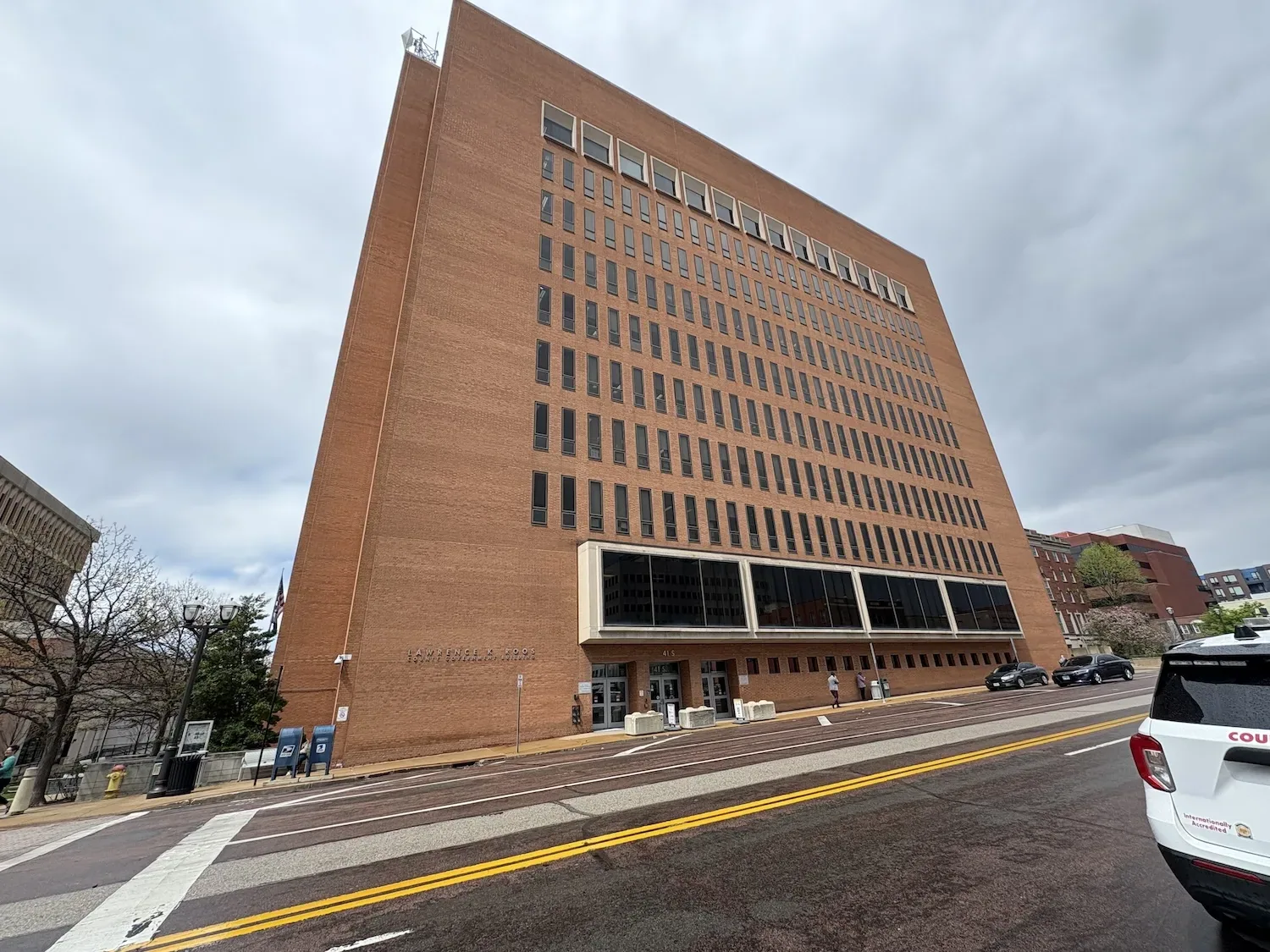
A public counter cannot close because a roof zone is waiting for dry-in. For a municipal building in Joliet, IL, the sequence has to preserve public entry, staff circulation and service continuity while the crew works above. We inspect membrane, edge details, drains, rooftop equipment and interior reports, then mark the limit that can be opened and closed safely. Joliet's adopted building-code review and local approvals can affect the submittal and procurement path, so the owner and design team should settle those points before materials arrive. The roof record should state what is visible, what an opening must confirm and who approves a changed boundary. A commercial inspection with marked photographs gives facilities and procurement staff a common scope line before the bid is released.
Public Hours and Protected Entry
Library, records, public-safety and administration buildings have different hours and access controls. We identify the public doors, staff entrances, emergency routes and service areas that must remain available, then locate lifts and material staging away from those paths. The work schedule needs a contact who can release each zone and communicate a temporary route change. Joliet has 22 business and industrial parks, and each municipal property has its own operating hours, security rules and access routes. A phased occupied-building scope separates noisy work, delivery windows, interior protection and daily closeout so public service can continue where the site permits.
Roof access can cross a secure area or require an escort. We confirm keys, sign-in, shutdown authority and the route for debris before the crew arrives. If a crane pick crosses a parking lot, the plan identifies the closure window and who clears vehicles. The scope also assigns responsibility for moving rooftop equipment and restoring power. Those handoffs reduce delays between trades and keep a public entry from reopening before the overhead work is secure.
Separate the Leak from the Roof-Wide Decision
The local normal year includes 38.03 inches of precipitation and 16.9 inches of snowfall, according to the Brandon Road Dam station. We use those values as seasonal context, then trace the reported water path from the room below to the roof plane above. That check may include a wall transition, drain bowl, curb or membrane lap beyond the visible stain. Photographs and moisture readings help separate wet insulation from a sound surrounding assembly. A localized issue may fit a repair scope; repeated leaks or moisture beyond a test area can call for a broader replacement review.
The greater Joliet area is a critical freight subarea, with transportation investment focused around freight clusters. The inspector records the actual membrane, wall terminations, penetrations and drainage features, then ties each finding to its building and zone. That record helps staff compare repair alternatives without combining unrelated structures in a portfolio.
Repair, Recover, or Remove
A repair is bounded by stable material, not the edge of the visible stain. We remove unsound material, prepare the substrate and rebuild the seam or flashing with a compatible detail. A recover may work when the assembly is dry, attached and has clearance at drains, edges and rooftop equipment. Widespread wet insulation, recurring failures or deteriorated deck can make removal the better construction path. Our recover review checks those conditions before adding a layer. The replacement documents should list tear-off limits, deck review, insulation, attachment, flashing and a daily dry-in point, with a process for approving concealed work discovered after opening.
Cost and timing change with roof height, security controls, access, protection below, disposal, equipment moves and the number of areas that can be opened per shift. A public building may need work outside counter hours or a temporary route to a different entrance. We price those requirements as scope items rather than leaving them as field assumptions. A standing-seam metal system may suit some roofs, while low-slope areas may call for a membrane; the design, deck and drainage determine which is appropriate. Related public properties such as a vehicle-service building have different access needs and should not be used as a proxy for a government facility.
Submittals and Trade Control
Joliet enforces the 2015 International Building Code with local amendments. Privately funded commercial facilities also follow the Illinois Energy Conservation Code, including the amended 2024 edition effective November 30, 2025. The design team confirms which provisions and review steps apply to a specific public project. We provide the roof condition, proposed assembly and field dimensions needed for that review, while keeping approval responsibility with the owner and licensed design professionals. If the project requires sealed documents, the scope should identify that before procurement. A condition report can organize photographs, test points and open questions for the design team and procurement file.
Mechanical, electrical and communications trades can intersect roof work. Before a curb or conduit changes, we name the trade responsible for disconnect and reset, schedule the crane pick, and protect the completed membrane. The daily log records which area is dry, which remains temporarily covered and what approval is needed before the next zone begins. Elwood is about five miles south of Joliet, but each property still needs a site-specific security and service-route review.
Records Staff Can Use
Closeout should let the facilities team locate the repaired area without repeating the inspection. We mark each roof zone, attach dated photographs of seams and flashings, list materials and note any deck or insulation condition exposed during construction. Unresolved items stay separate from completed work. Joliet has ten I-80 and I-55 interchanges within the city and two intermodal terminals in or near the area. The building's security and pedestrian routes still control roof access. A senior living roof record also needs a clear separation between completed work and follow-up.
Will County's Route 53 Corridor Plan follows Historic Route 66 from Joliet's I-80 interchange to the county line in Godley. It provides regional orientation; each agency confirms site access and procurement steps for its building. Those regional connections can inform delivery planning, while the municipal building's route and gate rules still determine access. Each property record stays specific to its roof, approvals and operating schedule. We clarify the repair boundary and decisions needed before mobilization. For a roof walk in the Joliet service area, the useful result is a scope that names access, protection, weather contingency and the person who signs off each handoff.
Commercial Roofing Questions
Can the public continue using a building during roof work?
The site plan determines that. We map public doors, staff routes, service access and lift locations, then phase work around the hours the owner identifies. If an entrance or counter must close temporarily, the project schedule states the route, notice period and person responsible for reopening it.
What does a municipal roof inspection establish before bidding?
It records visible membrane, flashing, drainage and equipment conditions, plus test points and areas that remain concealed. We tie photographs to a roof plan and separate repairable defects from questions requiring an opening or design review. That gives procurement a defined scope and a list of decisions still pending.
Who confirms code and permit requirements for a public roof project?
The owner and design team confirm the current review path for the specific project. We supply field observations, dimensions and the proposed roof assembly for their use, and identify where sealed documents or additional design input may be needed before materials are ordered.
When should a recover be removed from consideration?
A recover is a poor fit when the existing assembly is wet, weakly attached, damaged at the deck or unable to maintain clearance at edges and drains. We inspect and test representative areas, then state the boundary supported by those findings. If conditions vary, the scope describes how changes will be approved once the roof is open.
What records belong in the facilities file after completion?
Keep the marked roof plan, dated photographs, materials, repair limits, exposed conditions and any remaining trade or approval item. The closeout should distinguish temporary protection from permanent work and identify zones that need follow-up. Staff can use that record to plan maintenance and future capital work.
Define the Public-Building Roof Scope
Arrange a roof walk with Commercial Roofers Joliet to map entry routes, drain and flashing conditions, approvals and the daily dry-in boundary. We will document the field decisions the procurement and facilities teams need before work is scheduled.
