Roof Damage Repair
ROOFING SERVICES
Commercial Roof Leak Repair
Emergency Commercial Roof Repair
Commercial Roof Repair
Commercial Roof Inspection
Commercial Roof Maintenance
Commercial Roof Coating
Commercial Roof Replacement
ROOF SYSTEMS
TPO Roofing
EPDM Roofing
PVC Roofing
Modified Bitumen Roofing
Standing Seam Metal Roofing
PROPERTY TYPES
Warehouse Roofing
Distribution Center Roofing
Office Building Roofing
School Roofing
INDUSTRIES
DAMAGE REPAIR
CAPABILITIES
MANUFACTURERS
SERVICE AREAS
Commercial Snow and Ice Roof Damage Repair in Joliet, IL
Roof Damage Repair
Inspect commercial roof damage after snow and ice in Joliet, trace water paths, clear unsafe access and repair only verified assembly conditions.
Commercial Snow and Ice Roof Damage Repair
Snow and ice can leave a commercial roof with a leak, lifted edge, damaged drain, displaced flashing or an interior stain that appears after a thaw. The immediate task is to protect people and limit water entry without sending a crew onto an unsafe surface. We coordinate roof access with the facility contact, document the affected zone when conditions permit and trace the reported leak to roof-side details. At the Brandon Road Dam station, normal snowfall totals 16.9 inches; minimum temperatures reach 32 degrees or lower on 125.8 days per year. Those figures describe the local climate, while the snow or ice call still begins with current roof conditions. A snow or ice call still begins with current roof conditions: load signs, blocked drains, ice at the edge, and safe access for the inspection. Those regional normals describe climate, not the condition of a particular building. A Joliet-area roof inspection records what is present at the property and what must wait for safer weather.
Keep People Off Unsafe Roof Areas
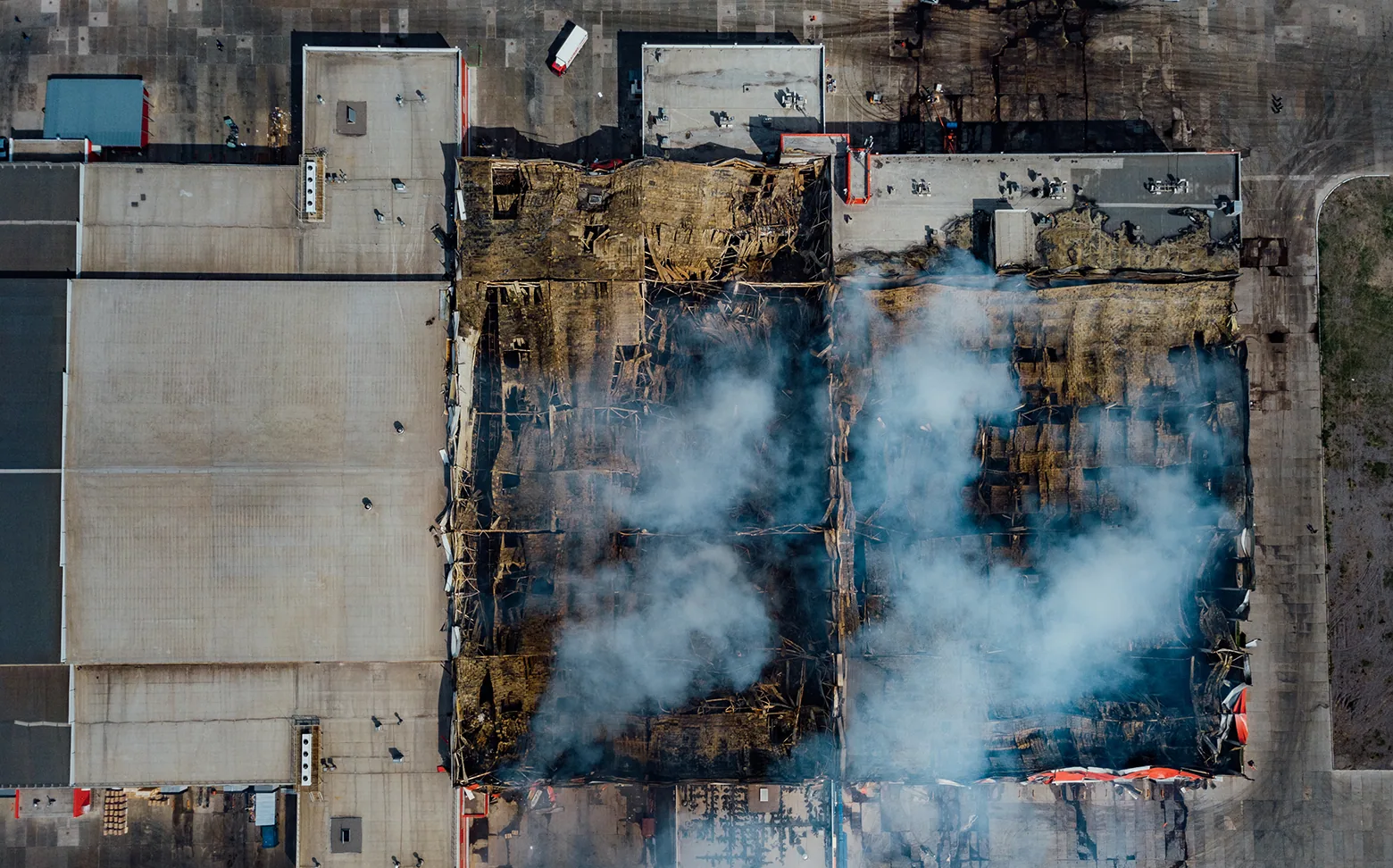
Ice, drifting snow, hidden skylights and wet membrane can create fall hazards. We first ask whether the owner or facility team has restricted roof access and whether a safe ladder, hatch and travel path are available. If snow cover obscures edges, drains or fragile roof features, we do not assume those areas can support foot traffic. The visit may be limited to interior observations or a ground-level review until conditions improve. The report names the access limit and any return condition so a delayed inspection is not mistaken for a completed one.
Active snow removal is a separate operation that must follow the building's plan and use safe methods. Roofing personnel do not scrape, shovel or apply chemicals where the action could damage membrane, coatings or metal. If snow loads or structural movement are a concern, the building owner should involve a qualified structural professional. Our roofing scope covers the waterproofing system and visible interfaces; it does not determine structural capacity. The site contact also coordinates any electrical isolation or mechanical shutdown if melting water reaches building equipment.
Trace Water After Thaw and Refreezing
A leak may begin during melt, then stop when temperatures fall. Water can travel under membrane, follow a deck flute or move around insulation before showing inside. We note when the leak began, which rooms are affected, whether it follows a thaw and what roof features are above the area. When safe access is available, we inspect drains, scuppers, seams, curbs, parapets and penetrations for ice-related movement or blockage. We do not infer a roof opening from the ceiling stain alone.
Joliet experiences repeated freezing conditions in the climate normals, so inspection notes should distinguish current moisture from a past wet area. Readings can help select locations for testing, while a core confirms layers only at its point. A moisture survey may help prioritize candidate areas for selective investigation. The report lists test locations, inaccessible zones and uncertainty, which keeps a localized leak from becoming an unsupported roof-wide replacement recommendation.
Review Drainage and Roof Edge Details
Snowmelt can collect at a blocked drain or flow toward a low edge before refreezing. We inspect visible drainage points, strainers, overflow paths and membrane transitions where access is safe. The scope notes whether debris, ice or a damaged component is present, and which party must clear it. A roofing repair may include restoring a drain flange, seam, flashing or edge transition after the surface is dry and prepared. If a plumbing or heating component has failed, that trade evaluates the equipment itself.
We also inspect parapet caps and edge metal for movement, open joints or water entry behind the flashing. Ice can expose a weak attachment or an old sealant repair, but the finding is recorded as observed rather than assigned a cause without evidence. When high wind accompanies winter weather, a separate wind-damage inspection can document displaced edge components independently. Keeping the scopes distinct helps owners decide whether a leak repair, maintenance task or broader assembly correction is needed.
Protect the Interior While Conditions Improve
If water is entering, the facility contact can move stock, protect equipment and mark the affected interior area. Temporary protection on the roof is considered only when crews can reach it safely and the surface can hold the material. We define the boundary, attachment, drainage path and inspection interval, and explain that the measure is interim. If ice, snow or wind prevents installation, we document that constraint and coordinate interior containment until a safe return.
A temporary patch must not hide wet insulation or an open seam that requires a more complete repair. Once the surface is accessible, we identify the system and inspect for a sound tie-in. A emergency roof response can control an active opening, while the permanent work order identifies any wet assembly removal, drain repair or flashing replacement. The building manager receives clear instructions on what remains open and what weather or leak report should trigger another visit.
Restore Only the Confirmed Assembly Boundary
Repair method depends on the roof system and the condition around the defect. TPO or PVC may require a clean, tested weld; EPDM uses compatible primer and splice materials; metal details require attention to seams, fasteners and coatings. We verify any prior overlay before cutting into the roof. Wet insulation is removed where readings or cores support it, the substrate is checked, and replacement material is tied into sound layers. The scope lists quantity, material and location, rather than treating every winter leak the same way.
Joliet's adopted building-code provisions include local amendments. If a snow or ice repair expands into a commercial assembly change, the owner should confirm whether review documents from an Illinois-licensed professional are required before that larger scope is priced. The owner can confirm applicable review when scope moves beyond routine repair. A roof condition report records photographs, test points and repair limits for the property's maintenance file. If the roof damage is combined with documented hail or storm impact, a separate hail-damage review keeps those observations distinct.
Coordinate Service and Record Follow-up
Joliet supports logistics and manufacturing alongside other commercial uses, so winter roof work can affect loading schedules, equipment access and tenant operations. We confirm delivery windows, safe staging and the interior contact before moving material. For a facility near Plainfield's 119th Street/IL 59 commercial trade area, work planning still follows the actual building access and approved site rules. The crew protects drains from debris and closes each work zone against weather before leaving for the day.
Closeout photographs show the repaired detail and nearby transitions. The report states whether insulation was removed, what testing was completed and which areas could not be inspected because of snow or ice. We list a return observation if melt conditions or a later thaw could reveal another leak. The owner receives a record that separates completed work from unresolved questions. That makes the next roof walk more useful than relying on an undocumented winter patch.
Commercial Roofing Questions
Can you inspect a roof while snow is covering it?
Only where access and visibility are safe. Snow can conceal edges, drains and fragile areas, so some zones may need to wait for melt or approved clearing.
Why does a leak stop and start during winter?
Meltwater may enter during warmer periods and stop when it refreezes. Water can travel below the membrane before appearing inside.
Do you remove snow from commercial roofs?
Snow removal should follow the building plan and safe methods. We focus on the roofing assembly and refer structural load concerns to a qualified professional.
Can a small patch solve an ice-related leak?
A patch can work when the opening and surrounding material are sound. We verify the membrane and moisture boundary before selecting a permanent repair.
What should staff do during an active leak?
Protect people and equipment, notify the facility contact, and report the affected room and timing. Do not enter a roof area without approved safe access.
Review the Leak After Safe Access Is Available
Arrange an inspection when roof access is safe. We will trace the reported water path, document winter-related conditions and identify the repair boundary and any return visit.
