Commercial Roofing Services
ROOFING SERVICES
Commercial Roof Leak Repair
Emergency Commercial Roof Repair
Commercial Roof Repair
Commercial Roof Inspection
Commercial Roof Maintenance
Commercial Roof Coating
Commercial Roof Replacement
ROOF SYSTEMS
TPO Roofing
EPDM Roofing
PVC Roofing
Modified Bitumen Roofing
Standing Seam Metal Roofing
PROPERTY TYPES
Warehouse Roofing
Distribution Center Roofing
Office Building Roofing
School Roofing
INDUSTRIES
DAMAGE REPAIR
CAPABILITIES
MANUFACTURERS
SERVICE AREAS
Drone Roof Inspection in Joliet, IL
Commercial Roofing Services
Use drone imaging for large or hard-to-access commercial roofs in Joliet, with a coordinated flight plan and field review of visible roof conditions.
Drone Roof Inspection
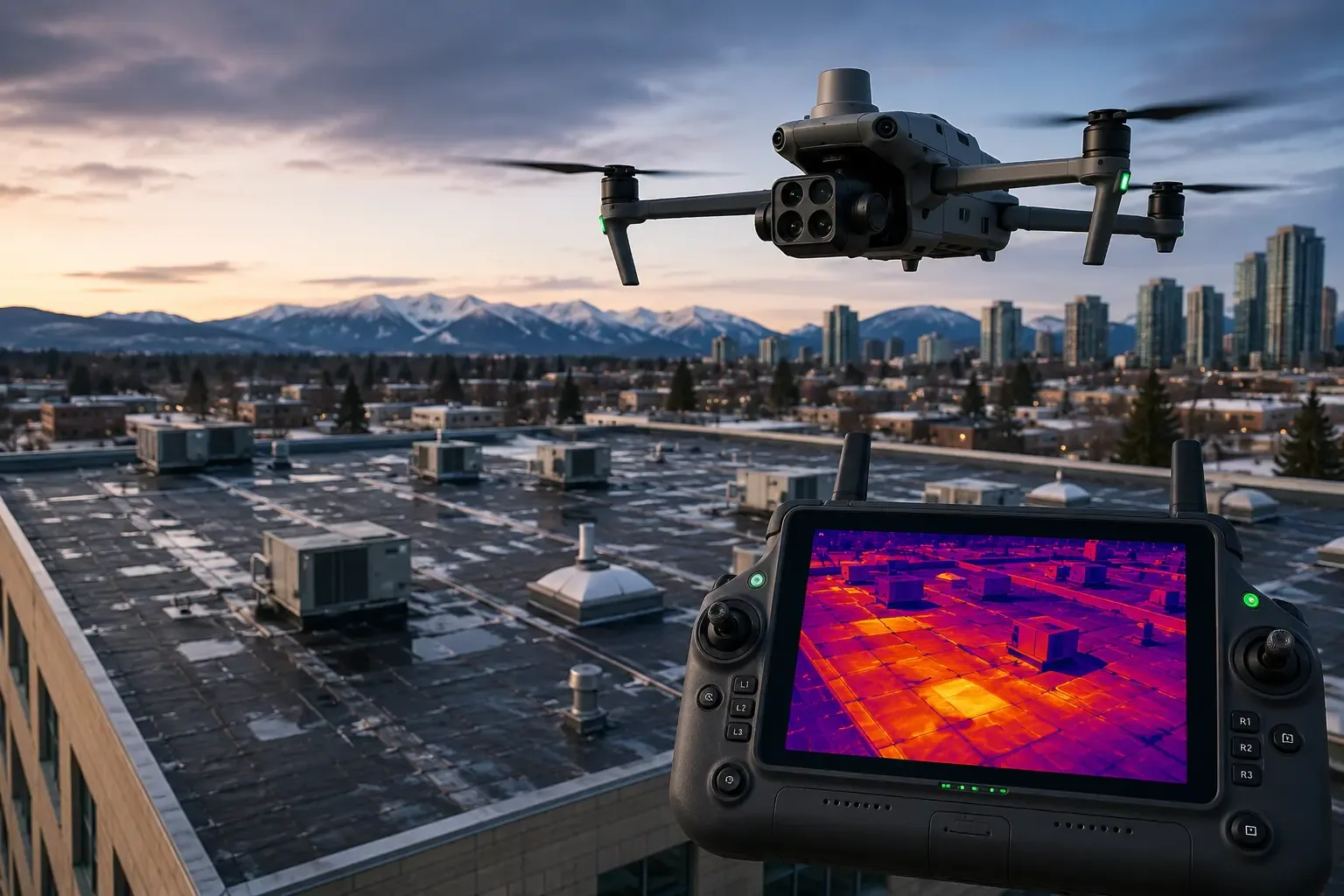
A roof that stretches beyond a safe walking route needs an inspection plan before anyone sends a person across it. Drone imaging can capture broad views of membrane fields, rooftop equipment and perimeter conditions while keeping the work off areas that cannot be accessed safely. We plan the flight around the property, access boundaries and operating schedule, then review the images against reported leaks or maintenance questions. Joliet's logistics and manufacturing base includes CenterPoint Intermodal Center, a major regional industrial park; active freight operations make property access a practical question. Images show visible surface conditions, but they do not reveal concealed moisture or verify a seam by touch. We mark observations that need a roof walk, moisture reading or core sample, then tie them to specific image locations. For the complete condition record, drone work can be paired with a hands-on commercial roof inspection rather than used as a substitute for every field check.
Flight Access and Site Coordination
We review where the aircraft can launch, which areas are restricted and whether nearby work or deliveries affect the flight window. A facility contact identifies active loading lanes, crane activity, rooftop exhaust and other operating conditions before the drone is used. The work is planned so imagery has a defined purpose, such as checking perimeter metal, locating visible ponding or documenting a large field after severe weather. Joliet has ten I-80/I-55 interchanges and two intermodal terminals in or near the city; freight movements can shape a safe drone launch window. That operating context informs coordination with the site, but access and flight requirements are confirmed at each property. We do not fly through active work zones or assume an aerial view is acceptable without site coordination. The image set is organized by roof section and orientation so the general contractor can connect an observation to the loading pattern or equipment cluster below. When imagery identifies a visible opening, a follow-up leak investigation can determine what repair is required.
What the Images Can Establish
High-resolution views can help locate debris, standing water, displaced accessories, open laps or visible damage that would be difficult to see from one access point. Overlapping images also provide context for how a condition relates to the roof field and its perimeter. We annotate the image set with roof areas and observations, then compare those details with interior leak reports or prior repair records. The imagery is not a moisture test. If a dark area or suspected ponding matters to the scope, we verify it in person and check drainage. Joliet averages 14.9 days each year with highs reaching at least 90°F; heat exposure can affect exposed membranes and flashing. After a weather report, images may help document visible conditions across a broad roof before a detailed repair walk. A July 2023 tornado crossed Minooka, Shorewood and Joliet, with hail and wind also affecting the I-80/Kankakee River Valley. Aerial views can flag visible edge disturbance, then a hands-on check sets the repair boundary. When large areas warrant moisture analysis, we can coordinate an infrared moisture survey with selected core checks.
We also note image blind spots, such as areas screened by parapets, tall equipment or nearby structures. A narrow view can hide the backside of a curb or the connection between a canopy and the main roof. The report identifies those limits so a reviewer does not mistake an unseen detail for a sound one. When the flight shows a raised seam or water mark, we capture both a broad orientation view and a closer image that helps the field crew locate the area. The next step may be a safe roof walk, a moisture check or a repair opening. Each test answers a different question, and the written findings keep those answers separate.
Pairing Aerial Review With Field Checks
A drone cannot confirm that a seam is bonded, a termination bar is secure or insulation is dry beneath a membrane. Those questions require an appropriate hands-on inspection, moisture reading or opening. We note the limits of each view and identify where a technician should return, rather than turning an image into a repair conclusion. A metal roof may show loose panels or missing fasteners from above, but attachment and substrate still need closer review. On a low-slope roof, a wide image can show a drainage pattern while a field check confirms the drain bowl and overflow. Freight activity in the Joliet-Elwood subregion can constrain where an inspector walks or stages, so the flight and roof route need to be coordinated with the facility contact. We coordinate those restrictions with the general contractor before deciding what combination of images and direct checks will answer the question. Findings that call for edge or coping work can be compared with perimeter metal repairs; membrane findings may lead to a defined repair scope.
Images for Maintenance and Project Planning
The image record is most useful when a future crew can find the same location. We label views by roof area, note the flight date and connect each observation to an access point or visible building feature. The general contractor can use that record to coordinate a roof walk, crane pick or equipment trade handoff. For a replacement bid, aerial images help define sections and visible obstructions, while cores and field measurements establish the assembly. Joliet has 22 business and industrial parks and a logistics and manufacturing base; imagery still needs to identify the roof section and obstruction at each property. We keep the report focused on the inspected property and the decision it supports. If images show a likely maintenance issue, a maintenance visit can confirm it and record repair work. Owners planning capital renewal can use those findings with a condition report. An aerial visit in the Elwood commercial roofing area starts with the property's launch boundary and active loading routes.
Commercial Roofing Questions
What can a drone see on a commercial roof?
It can capture visible membrane conditions, debris, roof equipment, drainage patterns and perimeter details across a broad area. The images help locate where a closer look is needed. They cannot verify concealed moisture or replace hands-on checks of seams and flashings.
Can drone images tell whether insulation is wet?
No. Aerial images show the surface, not the condition beneath the membrane. We use them to map areas for moisture readings or selected core cuts, then record those tests separately so the report distinguishes visible observations from confirmed assembly conditions.
Will a drone inspection work while the site is operating?
We coordinate the flight with the facility contact and review loading, crane and access conditions first. The site needs a safe launch area and clear operating boundaries. If activity or weather makes the flight unsuitable, we adjust the method or schedule rather than fly through an active work zone.
Can aerial images support a roof replacement bid?
They can help identify roof sections, visible obstructions and areas that need closer examination. Core samples, field measurements and assembly review still establish the removal and replacement scope. We organize the images so the general contractor can plan a roof walk and coordinate follow-up trades.
What happens after an image shows a suspected leak point?
We mark the location and compare it with the interior report, drains and nearby transitions. A technician then verifies the condition at the roof and determines whether moisture testing or a repair is needed. The image remains part of the record, not the repair conclusion by itself.
Plan a Useful Aerial Roof Review
Arrange a site review with our team to define the roof areas, access boundaries and questions the images need to answer. We will identify which findings require hands-on or moisture checks.
