
Roof Systems
ROOFING SERVICES
Commercial Roof Leak Repair
Emergency Commercial Roof Repair
Commercial Roof Repair
Commercial Roof Inspection
Commercial Roof Maintenance
Commercial Roof Coating
Commercial Roof Replacement
ROOF SYSTEMS
TPO Roofing
EPDM Roofing
PVC Roofing
Modified Bitumen Roofing
Standing Seam Metal Roofing
PROPERTY TYPES
Warehouse Roofing
Distribution Center Roofing
Office Building Roofing
School Roofing
INDUSTRIES
DAMAGE REPAIR
CAPABILITIES
MANUFACTURERS
SERVICE AREAS
Spray Polyurethane Foam Roofing in Joliet, IL
Roof Systems
Inspect and restore SPF roofs in Joliet with substrate, foam, coating, drainage and access details matched to the building's operating schedule.
Spray Polyurethane Foam Roofing
Before spray foam equipment is staged, the substrate and overspray boundary need to be agreed with the site team. Spray polyurethane foam roofing forms a continuous layer over a prepared roof, with a protective coating above it. The foam can follow roof contours and add insulation, but only where the substrate, adhesion and drainage conditions support the assembly. In Joliet, warehouses and manufacturing buildings may have active rooftop equipment, loading operations and interior processes to protect during application. We inspect the existing roof, mark drains and penetrations, and identify areas that need repair before foam is placed. A roof inspection checks moisture, deck stability and coating condition. The silicone coating option and acrylic coating systems have different water and weather considerations. We compare those choices with the foam condition and project requirements, then set the staging, masking and dry-in sequence for a Joliet property.
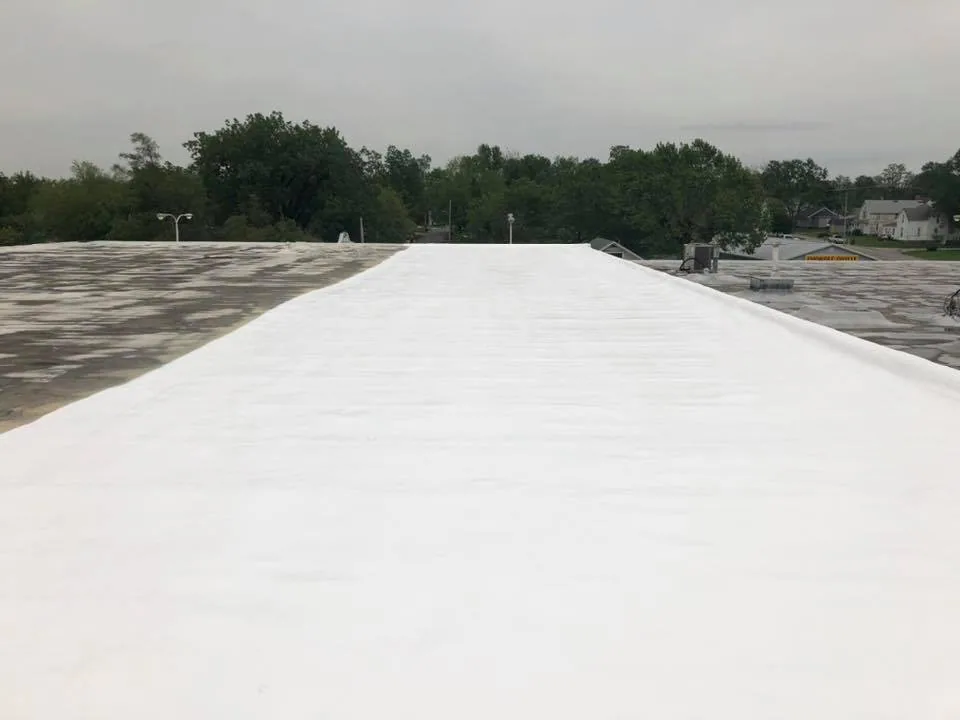
Foam, Substrate, and Protective Coating
SPF is applied in place over a clean, dry and stable surface. The installer builds the foam in controlled passes, then applies a protective coating after the surface has been prepared. Foam thickness and drainage shape depend on the roof design and the condition below. The system is vulnerable when water enters through an unprotected area, when the foam loses adhesion or when the coating is worn through. At an inspection, we look for exposed foam, blisters, punctures, soft areas, coating erosion and repairs that have separated. We also check how the assembly terminates at walls, curbs, drains and edges.
Drain bowls require special attention because foam and coating must connect to the outlet without creating a dam. We trace each roof valley or low area to a drain and confirm that the coating does not block flow. At equipment curbs, the foam needs a stable transition and the coating must remain continuous around corners. A walk pad may be required where service access crosses the roof repeatedly. We review HVAC maintenance routes and protect the foam from damage during later work. If the roof has wet insulation or an unstable deck, spray application does not correct that condition. The scope needs to remove or repair unsound material first and document any opening that changes the planned foam thickness.
Adhesion, Drainage, and Surface Wear
SPF performance depends on adhesion to the surface and an intact protective coating. We test suspect areas and inspect whether the foam is bonded, friable or wet. Exposed foam can absorb water and degrade under sunlight, so damaged areas need compatible foam repair and coating. Where coating remains but is thin, we measure or test it according to the system requirements before adding another layer. The repair boundary should extend to sound foam and prepared coating rather than ending at an arbitrary visible mark. We photograph details at drains, penetrations and parapets because those areas commonly require separate masking and application steps.
A July 2023 tornado route included Minooka, Shorewood and Joliet; reported hail and wind also involved areas near I-80 and the Kankakee River Valley. For SPF, we check the protective coating first, then look for fractured cells, open penetrations and edge separation that can expose the foam. The event record does not determine whether this roof lost bond. We mark the observed area and test adhesion or moisture only where the field condition warrants it. Repairs restore the coating transition after the substrate is prepared and dry, with the tie-in held to the selected system requirements. The written repair note identifies the tested zone, material and any exposed foam left for follow-up. Related project details: hail inspection
Repair or Recoat the SPF Roof
A small puncture may need a localized foam patch and coating repair, while broad coating failure can call for cleaning and recoating a larger area. We remove loose material, prepare the surface, restore missing foam and apply compatible coating to the specified thickness. The scope lists preparation, repairs and coating separately so the GC can see what is included. If moisture is below the foam or the deck has failed, those conditions need separate work before the roof is recoated. An infrared survey may help direct testing where conditions allow, but openings confirm the layer condition.
Timing and price reflect surface preparation, repair area, coating quantity, cure conditions, masking and access to each zone. Equipment, vents and skylights take time to protect. Wind direction and nearby operations can limit spray windows, and a section must remain closed to traffic while materials cure. We confirm the staging area, ventilation concerns, overspray controls and delivery plan with the facility contact. A roof coating restoration scope states the acceptable weather window and how uncoated areas will be protected. If the existing foam or substrate cannot support restoration, we compare replacement options and identify the scope before procurement.
Protect Rooftop Equipment and Work Areas
Spray work affects the roof and the space around it. We mark equipment intakes, skylights, vehicles, adjacent property and other areas requiring protection, then confirm masking and access with the site team. Roof access should be controlled while foam and coating are applied. Joliet's logistics and manufacturing activity means many facilities have deliveries, dock operations and rooftop service visits that need scheduled windows. A lift or material truck must use a route that keeps loading patterns and emergency access clear. The GC can identify planned equipment work so curbs and penetrations are repaired before the new foam closes those details.
We define daily application limits, curing time, temporary protection and the conditions for walking on finished areas. If a storm interrupts work, prepared foam and coating edges need a secure stop detail. A trade handoff records which roof zones are ready for HVAC work and what protection must remain. Closeout photographs show the coating, repaired foam, drains and penetrations, with any deferred work clearly located. An SPF maintenance visit can check coating wear, drainage and foot traffic damage. Commercial Roofers Joliet can review the site with the GC and fit application windows around operations in Elwood and Joliet.
Commercial Roofing Questions
Can spray foam roofing be applied over an existing roof?
The existing surface must be clean, dry, stable and able to bond with the selected system. We inspect the layers, test suspect areas and address moisture or deck problems first. The scope identifies preparation and repairs before any new foam is applied.
Why does the foam need a coating?
The coating protects foam from sunlight, weather and routine roof exposure. Wear, punctures or thin areas can leave the foam vulnerable. We check coating thickness and adhesion, repair damaged foam, and select a compatible protective layer for the roof's conditions.
How do you keep spray from reaching rooftop equipment?
We mark intakes, units, skylights and adjacent areas before work begins, then plan masking and application direction with the site team. The GC identifies equipment that must remain in service and sets access restrictions during application and cure.
When is recoating an SPF roof enough?
Recoat work can restore protection when the foam remains bonded and dry and the substrate is sound. Exposed or damaged areas need repair before coating. If water has reached the deck or foam is broadly detached, restoration requires more than another surface layer.
What does an SPF closeout include?
The closeout identifies repaired foam, coating areas, application limits, drain and penetration details, and any outstanding roof access restrictions. Photos and a marked plan give maintenance staff a reference for future inspections and repair decisions.
Review the SPF Application Conditions
Arrange an SPF roof walk with Commercial Roofers Joliet. We will inspect foam adhesion, coating wear, drainage and equipment access, then map a repair or recoat plan around the site's operating schedule.
