
Roof Systems
ROOFING SERVICES
Commercial Roof Leak Repair
Emergency Commercial Roof Repair
Commercial Roof Repair
Commercial Roof Inspection
Commercial Roof Maintenance
Commercial Roof Coating
Commercial Roof Replacement
ROOF SYSTEMS
TPO Roofing
EPDM Roofing
PVC Roofing
Modified Bitumen Roofing
Standing Seam Metal Roofing
PROPERTY TYPES
Warehouse Roofing
Distribution Center Roofing
Office Building Roofing
School Roofing
INDUSTRIES
DAMAGE REPAIR
CAPABILITIES
MANUFACTURERS
SERVICE AREAS
Acrylic Roof Coatings in Joliet, IL
Roof Systems
Assess acrylic roof coatings in Joliet with drainage, adhesion, repair and recoat details planned around seasonal weather and building operations.
Acrylic Roof Coatings
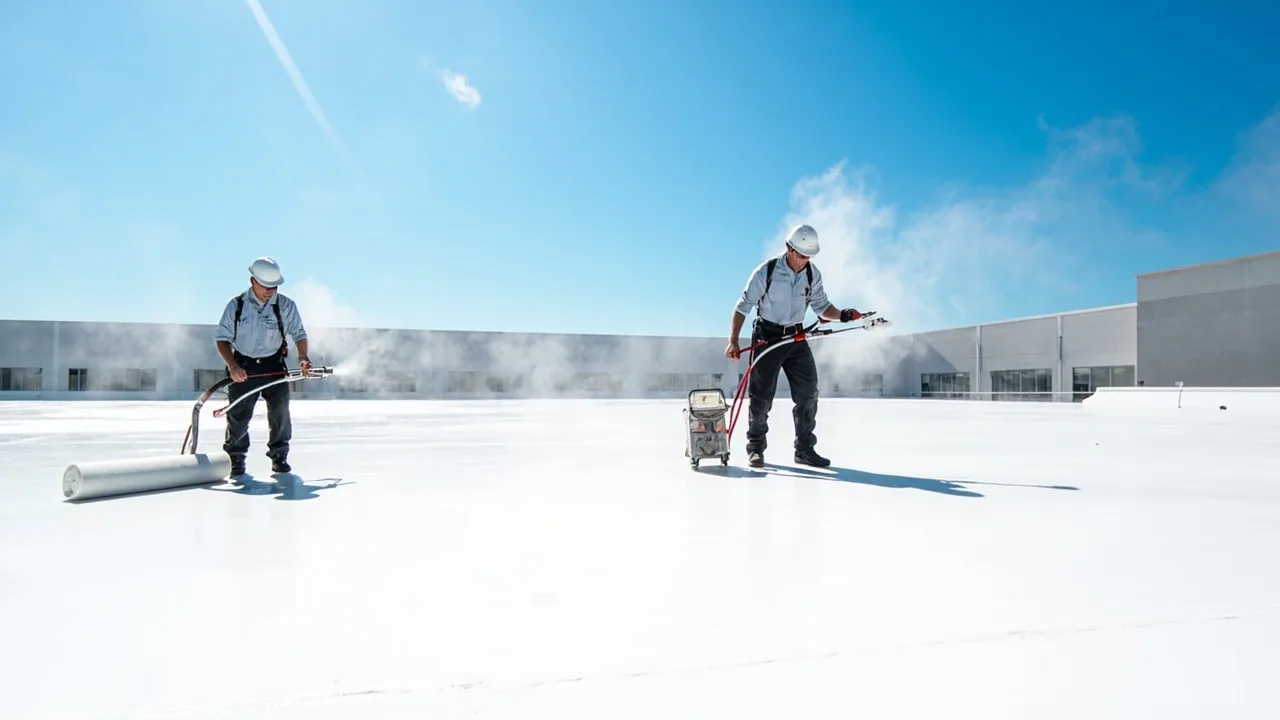
Acrylic coating needs a dry, prepared surface and a workable weather window before the first pass is applied. The coating can restore a serviceable roof's protective surface, but it does not replace wet insulation, repair an unstable deck or correct a drain that cannot move water. In Joliet, winter freeze-thaw, summer heat and annual precipitation all affect inspection and scheduling. We check the existing membrane or metal, coating adhesion, seams, penetrations, drains and edge conditions, then mark repairs that must come first. A roof condition inspection documents the substrate and drainage. We compare silicone coating where standing-water exposure is a concern, and SPF restoration where damaged foam needs repair. The selected system and application plan depend on the actual roof. We identify application areas, access, masking and cure limits before staging work in Joliet.
Is the Roof Ready for Acrylic?
Coating performance begins with the surface below it. We check for dirt, chalk, grease, loose coating, rust, wet membrane and repairs that have lifted. Representative adhesion testing can show whether the surface holds the proposed system. If the test fails, cleaning, primer or removal may be needed before the coating is considered. We inspect seams, laps and penetrations separately. Coating over an open seam can hide the opening without restoring the joint. A puncture, failed flashing or exposed foam needs repair with compatible materials before coating covers it.
Drainage is part of the decision. We inspect bowls, scuppers and low points to see whether water has a clear route off the roof. Acrylic systems generally require positive drainage and may not be the right choice for areas that remain ponded. The coating does not change roof slope, remove a blockage or stabilize a deflected deck. We identify standing-water areas and separate drainage corrections from coating work. A drain and scupper inspection can establish whether an outlet or water path needs repair before coating begins. At curbs and parapets, we check the transition and identify where reinforcement or a termination is required.
Surface Preparation and Coating Layers
Preparation may include washing, removing loose coating, treating rust, repairing seams and applying primer where the system requires it. We map each repair and mark areas that need reinforcement fabric around penetrations or transitions. Test patches also show whether cleaning alone is enough or a primer is required. The surface must dry before application, and any cleaning runoff or debris needs a controlled disposal route. At a metal roof, loose fasteners and open laps need correction before coating. At a membrane roof, the repair material must be compatible with the existing sheet. On SPF, exposed or wet foam should be removed and replaced before the protective coating is restored. The specification sets application rate and coverage, which the crew checks with the approved field method.
At the Brandon Road Dam station near Joliet, the long-term baseline is 38.03 inches of precipitation and 16.9 inches of snowfall annually, with 125.8 freezing-minimum days. For an acrylic restoration, those numbers are a scheduling reference, not an application approval. We test the existing coating or membrane, identify repairs that need reinforcement, and confirm the substrate is dry before a trial area is coated. The July 2023 tornado path crossed Minooka, Shorewood and Joliet, with hail and wind reported in the I-80 and Kankakee River Valley area. A field survey records whether this roof has a cut, loose edge or impact mark before the coating limit is drawn.
Adhesion test patches at representative roof-field, curb and repaired-seam locations help confirm assumptions about cleaning and primer. We photograph each sample area so the approved preparation can be repeated consistently during mobilization.
Recoat Limits and Alternatives
A recoat can renew a serviceable assembly when the substrate is bonded, dry and suitable for another coating layer. We record the existing coating, test adhesion and identify repairs before estimating application. If moisture is present below the surface, the affected assembly needs investigation. If the roof has widespread membrane failure or a weakened deck, a coating will not resolve that condition. The proposal states preparation, repairs, primer, reinforcement, coating coverage and drainage observations as separate parts of the scope. Photos and a marked plan show where the system will be applied and which areas are excluded or require more work.
Price and timing depend on roof area, cleaning method, coating removal, rust or seam repairs, primer, reinforcement, access, masking, weather and cure time. Equipment, skylights and adjacent property take protection, and the crew needs a clear route between staging and roof access. We coordinate deliveries and work windows with the GC, then close each area to traffic until it meets the system's cure requirements. An acrylic restoration scope identifies those controls and any hold points after adhesion testing. If standing water persists or the assembly cannot support a recoat, a recover assessment can compare a new roof assembly with the existing layers.
Work Windows for an Active Property
Joliet's logistics and manufacturing base runs alongside retail and office properties, so coating work needs to fit the property's own access rules. We confirm when trucks can unload, where cleaning equipment and coating can be staged, and which doors, lanes or rooftop units must remain available. Masking covers equipment intakes, skylights and nearby surfaces that cannot receive overspray or wash water. The GC and facility contact identify occupied areas below and set notice timing for cleaning and roof access.
During application, each roof zone has a limit that can be completed and protected within the workday. Drains remain open, temporary edges are secure and finished areas are kept clear until cure allows access. If mechanical work follows coating, the handoff identifies who protects the surface and restores any disturbed flashing. Closeout includes photographs of repairs, coating coverage, drains and transitions, along with remaining trade work. A maintenance schedule can revisit wear, ponding and repaired details. In Elwood, a roof walk can confirm delivery and staging conditions with the site team before coating materials are ordered.
Commercial Roofing Questions
Can acrylic coating be used on a roof with ponding water?
The roof needs a clear drainage path and the selected system has to be suitable for its exposure. Acrylic coatings generally require positive drainage. We inspect low areas, outlets and the assembly below standing water, then identify correction or another coating option when ponding remains.
Does a coating fix a leaking membrane seam?
A seam needs a compatible repair before coating is applied. We inspect the lap, surrounding sheet and substrate, remove loose material and rebuild the detail. The coating then protects the prepared roof surface rather than serving as a substitute for the seam repair.
How do you test an old coating before recoating?
We inspect the existing layer for chalk, peeling, blisters, contamination and prior repairs, then test representative areas for adhesion. The results help determine cleaning, removal and primer needs. Failed areas are mapped and priced before broad application begins.
What weather conditions affect acrylic coating work in Joliet?
A dry roof and temperatures within the system requirements are needed for application. Rain, freezing conditions and high heat affect application and cure, so we check the forecast and divide work into secure zones. If conditions change, prepared areas are protected and reviewed before coating resumes.
What goes into an acrylic coating closeout?
The record identifies repairs, surface preparation, primer, coated zones, drainage observations and any excluded area. Photos locate details at curbs, drains and edges. The plan also lists work assigned to another trade so the owner can confirm completion before reopening access.
Set the Acrylic Coating Window
Arrange a roof walk with Commercial Roofers Joliet. We will check adhesion, drainage and repair needs, then map the acrylic coating zones around weather and site access.
