
Property Types We Roof
ROOFING SERVICES
Commercial Roof Leak Repair
Emergency Commercial Roof Repair
Commercial Roof Repair
Commercial Roof Inspection
Commercial Roof Maintenance
Commercial Roof Coating
Commercial Roof Replacement
ROOF SYSTEMS
TPO Roofing
EPDM Roofing
PVC Roofing
Modified Bitumen Roofing
Standing Seam Metal Roofing
PROPERTY TYPES
Warehouse Roofing
Distribution Center Roofing
Office Building Roofing
School Roofing
INDUSTRIES
DAMAGE REPAIR
CAPABILITIES
MANUFACTURERS
SERVICE AREAS
Flex Industrial Roofing in Joliet, IL
Property Types We Roof
Plan flex industrial roof repair or replacement in Joliet with tenant separation, rooftop equipment, loading access and a clear scope for mixed-use buildings.
Flex Industrial Roofing
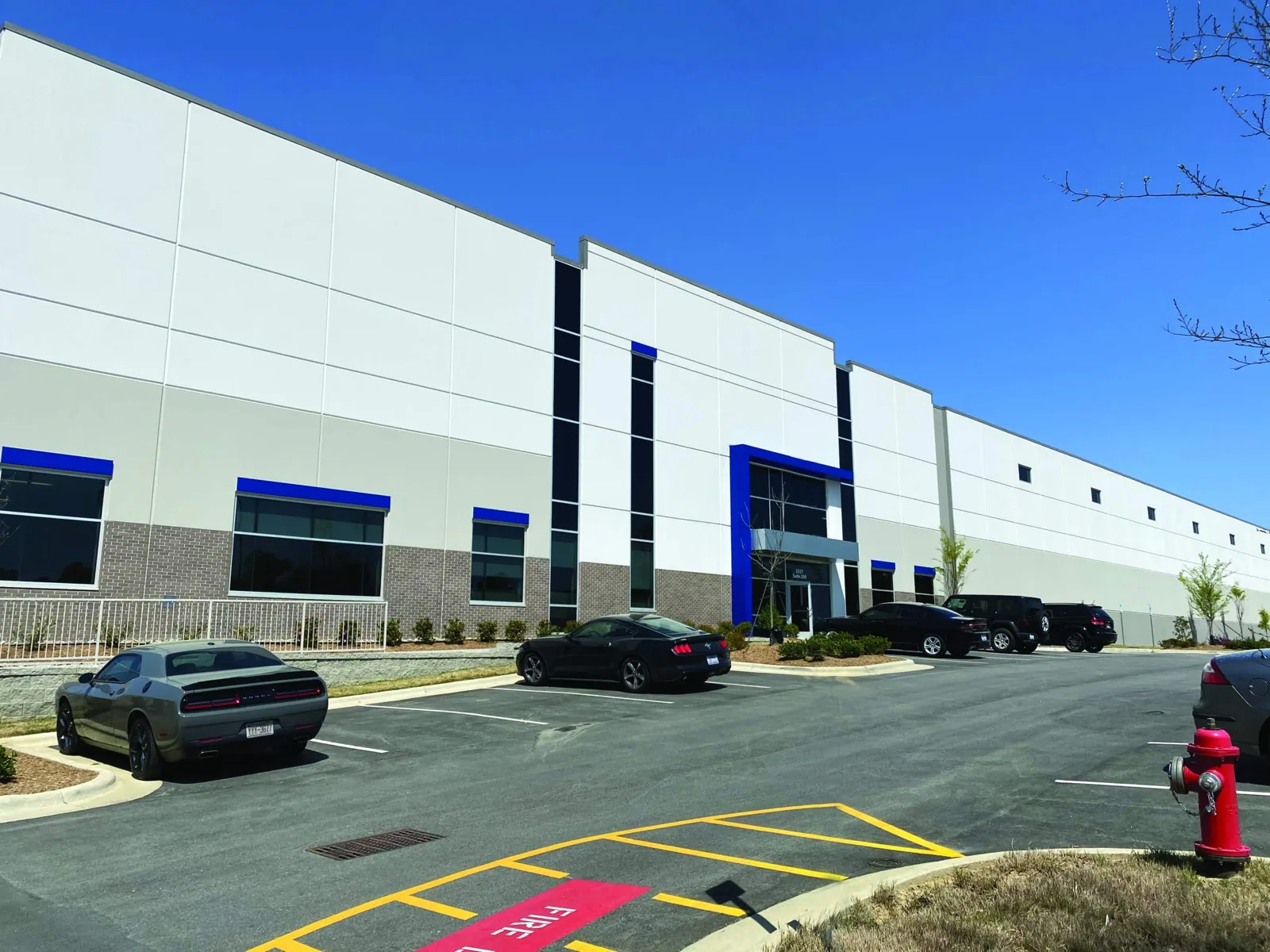
New rooftop equipment on a flex bay can interrupt a neighboring suite's shipping rhythm if the curb work is not staged. We map seams, drains, edge metal and penetrations by roof zone, then connect each opening to the operation below. Joliet's annual climate record includes 38.03 inches of precipitation and 16.9 inches of snowfall. We inspect the drain path and roof slope at the property. A commercial roof inspection gives the general contractor and property manager a common record of assembly, test points and phased access.
Tenant Lines and Loading Paths
Office, assembly, light manufacturing and storage uses may meet within one flex property. A tenant boundary often differs from a roof work boundary, so we confirm dock hours, electrical rooms and customer entries that must stay available. We mark the roof entry, lift position and material staging with site management. Romeoville employment centers near Weber Road, Taylor Road, Route 53, the I&M Canal and the east side include warehousing and manufacturing uses. That geography informs arrival planning; the flex property's operator sets the real route and safety rules. A phased reroof sequence names the daily opening, temporary dry-in and handoff.
Before work starts, we coordinate who moves pallet racks, equipment or vehicles below a roof opening and who can approve a temporary route change. The plan assigns a contact for each suite when access crosses leased space. If a tenant installs equipment during construction, its contractor needs a defined point to release the curb or penetration back to roofing. These details make the schedule usable for the owner and the trade foreman, not just a bar on a calendar.
Separate Roof Zones by Assembly
A roof over several suites may include more than one membrane, insulation depth or repair history. We identify those changes before testing or selecting compatible materials. Moisture readings, test cuts and photographs help separate wet insulation from sound sections and show where a leak path crosses a tenant demising line. Brandon Road Dam normals record 125.8 Joliet days per year with lows at or below 32°F and 14.9 days with highs at or above 90°F. We use those seasonal windows to inspect demising transitions and exposed flex-bay seams.8 days a year with minimum temperatures at or below freezing and 14.9 days with highs at or above 90°F. Seasonal movement can expose a failed seam or termination, while heavy water after snowmelt tests the drain path. We record the defect and what remains unknown. A bounded repair may fit one suite; recurring leaks or connected wet layers can call for a broader replacement boundary.
A July 2023 tornado traveled through Minooka, Shorewood and Joliet, with damaging hail and wind reported around the I-80 and Kankakee River Valley. After a storm call, we inspect the affected suite's roof field, edges, penetrations and equipment supports and record the conditions found. At a flex property, we assess tenant bays independently, photograph exposed edges, penetrations, rooftop supports and membrane by location, and avoid extending one finding to every suite. If an attachment or curb calls for design input, we list that question before advancing the roofing scope.
Repair, Recover, or Replace
A local patch needs sound material around its perimeter and a compatible repair method. We remove loose or damaged layers to a stable boundary, prepare the substrate and rebuild the transition. A recover is considered only when the assembly is dry, attached and has room at the edges, drains and equipment. Repeated water entry, wet insulation or a compromised deck may require removal. Our recover evaluation checks those conditions before a second layer is proposed. A replacement scope separates roof zones, tenant protection, deck review, insulation, fastening and flashing so a change in one bay does not silently expand another.
Cost follows access, roof height, disposal, insulation, curb count, tenant coordination and how many zones can be dried in each shift. The work plan should state whether deliveries or crane picks can cross active loading routes and who clears each work area. For low-slope areas, TPO may be compared with other membranes when the design and existing assembly allow it. A property with production equipment also needs a separate load and shutdown review, similar in some ways to a manufacturing roof, but the roof system and operating limits still come from its own inspection.
Curbs and Trade Handoffs
HVAC units, exhaust, conduit and tenant-installed equipment can change during a lease. Before a curb is disturbed, we identify the contractor responsible for disconnection and reset, then schedule the lift before closing the surrounding membrane where practical. The scope states who protects completed work and who signs the area back to roofing. We inspect counterflashing, curb corners and support attachments for movement, not only surface sealant. A curb and support scope can name those handoffs alongside the field membrane.
Joliet's adopted codes and local commercial review may require submittals sealed by an Illinois-licensed professional. The owner and design team identify the rules and approval sequence for their project. We supply measurements, photographs and roof observations for that review. Minooka has truck and rail connections, and Elwood lies about five miles south of Joliet. The operator confirms each flex property's gate, dock procedure and delivery window.
A Suite-by-Suite Roof Record
Each closeout identifies completed roof zones, materials used, repaired seams and curbs, and any exposed deck or condition still being monitored. We separate finished work from an opening that another trade has not released. Joliet has ten I-80 and I-55 interchanges and two nearby intermodal terminals. For maintenance, the record captures the property's gate, dock and operating schedule alongside the roof work.
The next visit can check drains, seams, edge fasteners and curb transitions after seasonal weather. Findings stay tied to the suite or structure where they were observed. A separate hangar roof may share metal or clear-span considerations, but should not inherit this building's repair boundary. For nearby work in the Romeoville area, we confirm each property's access and tenant coordination at the site walk.
Commercial Roofing Questions
How do you phase roof work across multiple tenants?
We map tenant spaces, docks, access routes and roof zones, then choose daily openings that can be dried in. The owner identifies notice requirements and a contact who can release each area. A tenant's equipment or loading schedule stays separate from the next suite's work boundary.
What if one tenant reports a leak but the moisture extends farther?
We record the test locations and extend the boundary only where readings or openings support it. If wet insulation crosses a demising line, the scope identifies the affected roof zone and who approves the added work. A ceiling mark alone does not set the repair limit.
Can new tenant equipment be installed during replacement?
It can be coordinated if the trade sequence is set before membrane closes around the curb. We identify the unit, lift date, responsible contractor and temporary protection. Any late change needs review because a new penetration or load can affect completed flashing and attachment.
When does a recover become unsuitable for a flex roof?
Wet layers, poor attachment, damaged deck or insufficient clearance at drains and curbs can rule it out. We inspect representative areas and record the supporting assembly before comparing a recover with removal. Mixed roof zones may lead to different decisions within one property.
What information helps the owner budget the next phase?
A marked plan with conditions by roof zone, photographs, test cuts, repaired areas and remaining questions gives a usable baseline. We distinguish confirmed work from allowances for concealed conditions and note equipment handoffs. The owner can then compare phases without blending separate tenant areas.
Mark the Tenant Roof Boundaries
Arrange a roof walk with Commercial Roofers Joliet to review suite access, loading routes, moisture and equipment handoffs. We will set the repair line and daily dry-in plan for the active areas.
