Property Types We Roof
ROOFING SERVICES
Commercial Roof Leak Repair
Emergency Commercial Roof Repair
Commercial Roof Repair
Commercial Roof Inspection
Commercial Roof Maintenance
Commercial Roof Coating
Commercial Roof Replacement
ROOF SYSTEMS
TPO Roofing
EPDM Roofing
PVC Roofing
Modified Bitumen Roofing
Standing Seam Metal Roofing
PROPERTY TYPES
Warehouse Roofing
Distribution Center Roofing
Office Building Roofing
School Roofing
INDUSTRIES
DAMAGE REPAIR
CAPABILITIES
MANUFACTURERS
SERVICE AREAS
Grocery Store Roofing in Joliet, IL
Property Types We Roof
Coordinate grocery roof repairs and reroofing in Joliet, IL. We map cooler lines, exhaust curbs, drains, receiving access and dry-in before setting the scope.
Grocery Store Roofing
A refrigeration line cannot wait for a roof crew to finish deciding where the membrane opens. For grocery properties in Joliet, IL, we inventory cooler equipment, kitchen exhaust, roof drains and service paths before drawing the work zone. Joliet combines retail growth with logistics and manufacturing, while Plainfield’s 119th Street and IL 59 intersection is a commercial trade area. That local retail pattern makes receiving and customer access worth checking, while the building's own conditions control the roofing scope. We inspect seams, curbs, penetrations and wet insulation, then separate a repair from a replacement area. A commercial roof inspection can give the owner and mechanical contractor one roof plan for the work sequence.
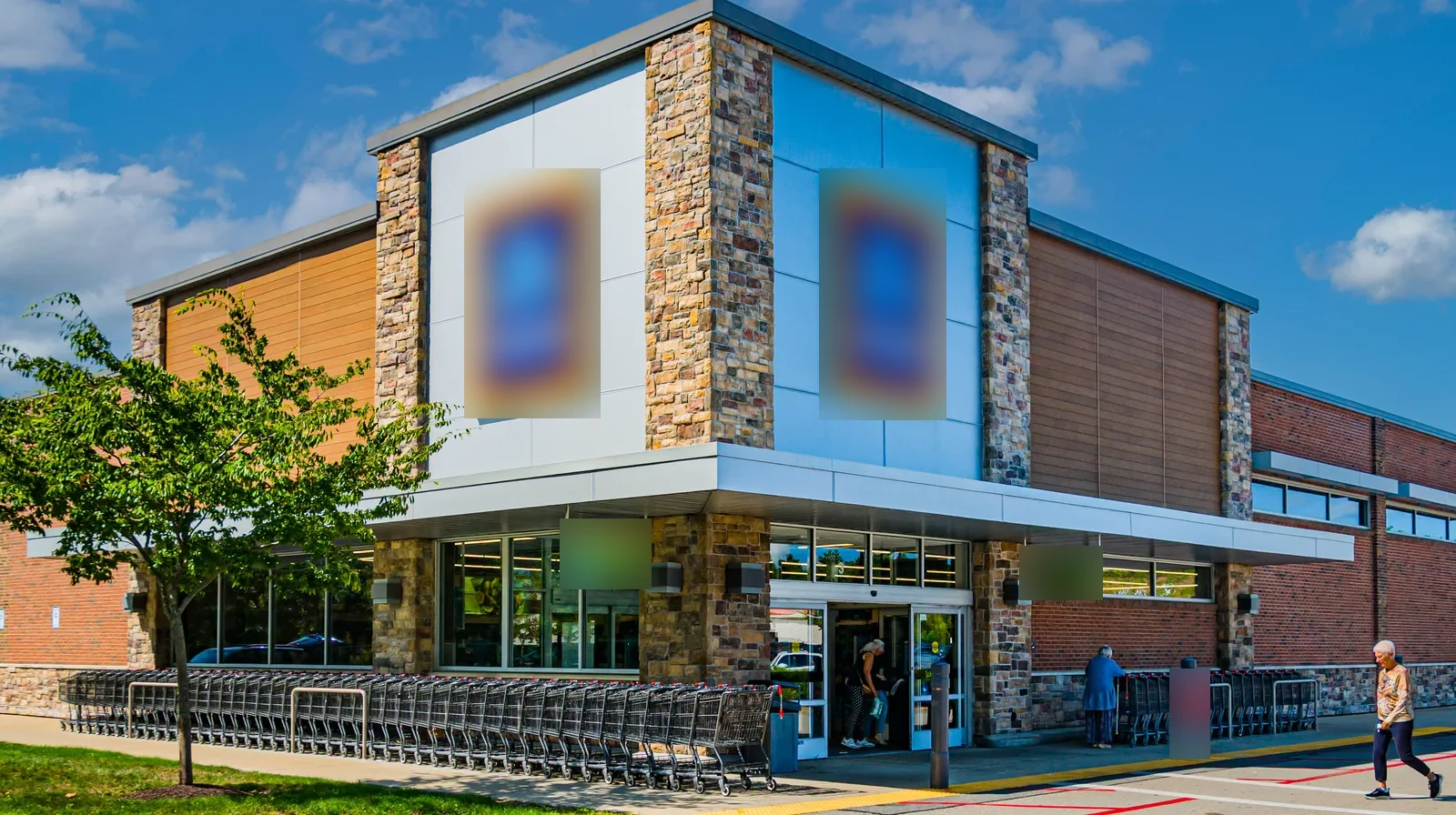
Refrigeration, Exhaust and Service Paths
Grocery roofs can carry refrigeration piping, condensers, kitchen exhaust, vents and electrical supports. Each needs service access and a maintainable flashing detail. We mark what stays, what the mechanical contractor will lift or disconnect and where a clean tie-in is needed. Corroded supports or low curbs are recorded before new membrane arrives. The roof plan assigns who protects an opening and restores equipment.
Receiving hours and customer access shape material movement. The manager identifies delivery peaks, fire lanes and doors that cannot be blocked. We stage materials outside those paths and set crane windows with the property contact. A phased reroof while the store remains open ties each area to interior protection and a daily dry-in point. If kitchen exhaust must stop, the schedule identifies that interval.
Joliet reports ten I-80/I-55 interchanges within city limits and two nearby intermodal terminals. For grocery roofing, regional dispatch must still fit receiving hours, refrigeration operations and the store's delivery schedule. Those connections do not establish access at this property, so we walk the approach and confirm turning, loading and staging.
Cooler piping often crosses the roof field between equipment and wall or curb penetrations. We photograph support spacing, base plates and the points where the line passes through flashing. If a mechanical contractor needs to reset supports, that work must finish before the roofing crew seals the final tie-in. We also note service clearances, so replacement walk pads do not land across the access path. These details let the store keep refrigeration serviceable after the reroof rather than trading one leak risk for difficult maintenance.
Condensation, Water Entry and Drainage
A leak above a cooler or prep area may involve a penetration, open seam, drain transition or equipment condensation. We trace the interior report and inspect curb height, counterflashing, fasteners and nearby supports. A core confirms insulation and deck at that point; adjacent tests define how far the condition extends. A narrow wet area may allow local replacement, while moisture across the field requires a wider boundary.
After rain or melt, we trace each basin to its outlet, check the overflow and distinguish ponding from condensate or washdown near food-service equipment. The drain ring, strainer, tie-in and adjacent membrane show whether the issue is cleaning, a failed detail or a low roof plane. We then confirm whether ponding remains after the outlet clears. A low area caused by insulation or deck movement needs more than cleaning. A drain repair scope can include adjacent membrane and drainage-plane correction.
Grease, condensate and service traffic may affect nearby membrane. We document those conditions and whether the repair material is compatible, separating equipment maintenance from roofing work.
Selecting a Repair or Full Assembly
A repair can work when the surrounding roof is dry, attached and compatible with the patch. We remove unsound material and rebuild the seam, flashing or penetration. Repeated patches, wet insulation or attachment loss may move the scope toward replacement; the report identifies the measured area and return conditions.
A recover requires a sound assembly that can accept another layer. We check moisture, attachment, deck, layer count, drain height and cooler clearances. Added thickness can affect supports and roof edges. A recover evaluation states where an overlay is suitable and where tear-off is the better bid basis. Replacement scope names membrane, insulation, cover board, attachment, drains, flashing, edge metal and walk pads.
System choice follows specification and substrate. A PVC assembly may fit the designed conditions, subject to verified compatibility. Cost and lead time depend on tear-off, deck repair, material supply, equipment, crane access and curbs. Joliet's locally adopted requirements and the Illinois Energy Conservation Code may affect submittals. Set approvals before the procurement window.
Storm Findings and Food-Service Continuity
At a grocery store, a post-storm roof walk should follow the departments below it. A July 2023 tornado track ran from Minooka through Shorewood toward Joliet. That event gives context for a requested review; only a walkover at the store can establish whether a panel, curb or membrane was affected. We inspect roof areas above refrigerated cases, receiving, prep rooms and sales space as access permits, then photograph any puncture, displaced edge or damaged equipment. The manager can coordinate temporary protection and permanent repairs without assuming every department or tenant area has the same exposure.
Food sales and refrigeration make interior protection a schedule issue. We identify departments below the work zone, coordinate ceiling protection and air intakes, and close the roof at each shift. If equipment must stop, the interval is agreed before membrane opens. A storm repair visit can secure a leak while permanent work and equipment return are arranged.
Heat and freeze-thaw affect installation method and service access. We follow product application limits, protect the interior and tie each phase to the weather window.
Equipment Return and Roof File
Closeout records cooler lines, exhaust curbs, drains and service paths. We provide photos, a marked plan, submittals and trade items. Facilities staff can see who must reconnect or test equipment. Maintenance can clear outlets, inspect terminations and record supports before another contractor adds a penetration. The roof map should show which service paths remain clear after walk pads and new supports are installed.
Grocery roofs have more refrigeration interfaces than many retail properties. Compare big-box retail phasing for a different loading pattern or restaurant roof coordination where exhaust shapes access. We can walk the building with operations and the GC, then define a phase in Joliet.
Commercial Roofing Questions
How do you reroof without interrupting refrigeration?
We inventory cooler lines, condensers, supports and electrical feeds, then coordinate each needed move or shutdown with the mechanical contractor. The roof plan shows who protects the opening and restores the equipment. Work zones can proceed around active systems when access and the selected assembly allow it.
What makes a grocery roof leak hard to trace?
Water can follow a seam or deck before appearing near a cooler, and condensation may be mistaken for rain entry. We compare interior observations with curbs, piping supports, drains and membrane conditions, then use test openings when needed. The repair scope follows confirmed wet material and a sound tie-in.
Can we include a coating instead of replacing the roof?
A coating is an option only when the existing membrane and substrate are compatible, secure and dry enough for the system. We inspect repairs, seams, flashing and drains first. If wet insulation or attachment problems remain below, coating the surface will not correct them.
How should the scope handle kitchen exhaust?
The work plan identifies the curb, flashing, discharge area and any trade steps needed to lift or protect the unit. We coordinate shutdowns and return testing before opening membrane. The completed detail needs service clearance and a recorded tie-in, not just a patch around the visible curb.
What belongs in the grocery roof closeout?
Keep the roof plan, photos, submittals, inspection notes and equipment handoffs together. The plan should mark drains, cooler lines, exhaust curbs and repaired areas, plus any open item assigned to a trade. That record helps the store plan later maintenance without reopening settled scope questions.
Coordinate the Roof and Refrigeration Sequence
Arrange a roof walk with Commercial Roofers Joliet. We will mark cooler lines, exhaust, drains and receiving access so the manager and mechanical contractor can confirm the work zone and dry-in plan.
