Property Types We Roof
ROOFING SERVICES
Commercial Roof Leak Repair
Emergency Commercial Roof Repair
Commercial Roof Repair
Commercial Roof Inspection
Commercial Roof Maintenance
Commercial Roof Coating
Commercial Roof Replacement
ROOF SYSTEMS
TPO Roofing
EPDM Roofing
PVC Roofing
Modified Bitumen Roofing
Standing Seam Metal Roofing
PROPERTY TYPES
Warehouse Roofing
Distribution Center Roofing
Office Building Roofing
School Roofing
INDUSTRIES
DAMAGE REPAIR
CAPABILITIES
MANUFACTURERS
SERVICE AREAS
Big-Box Retail Roofing in Joliet, IL
Property Types We Roof
Plan big-box roof work in Joliet, IL. We inspect drains, rooftop units, edge metal and loading access before setting repair zones or replacement phases.
Big-Box Retail Roofing
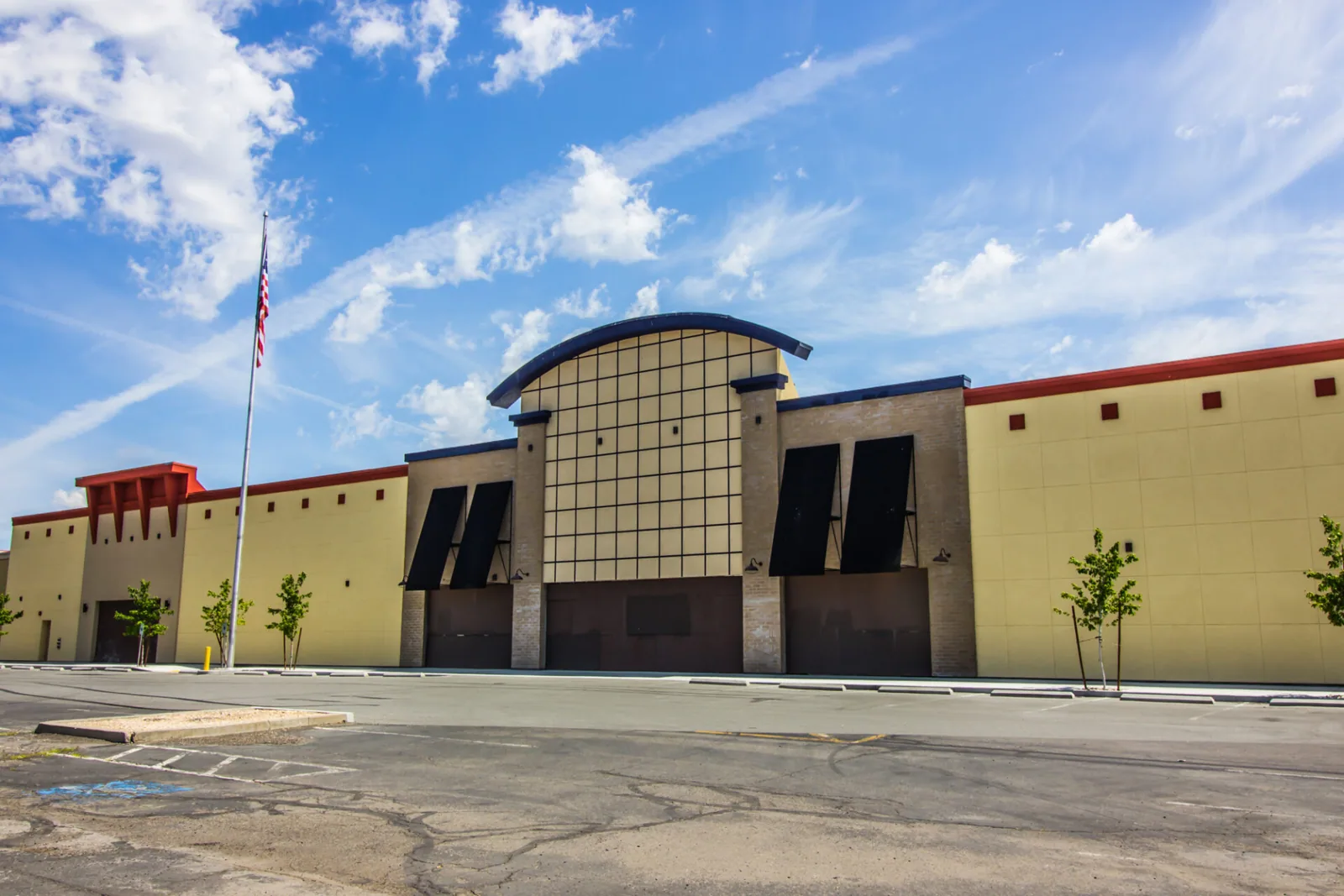
A big-box store can keep the sales floor open during roof work when each zone has a firm edge and dry-in point. In Joliet, IL, we start with receiving hours, customer entrances, rooftop units and the roof area over each department. Plainfield's Route 30 and I-55 interchange and 119th Street and IL 59 intersection serve as commercial nodes. Those places inform access planning, while the roof still needs inspection. We map seams, drains, curbs and wet insulation before recommending repair or replacement. A commercial roof inspection gives the owner a measured scope instead of treating one detail as the whole field.
Receiving, Customer Access and Roof Zones
The largest roof plane can still contain separate drainage areas, joints and equipment clusters. We relate those boundaries to receiving doors, sales floor, seasonal areas and customer paths. A delivery lane cannot become staging without an agreed window. The lift plan needs a safe set-down point and a route clear of emergency access. The schedule identifies the section opening each day and interior protection if deck or insulation is exposed.
A roof crew may arrive while a store is receiving freight or serving a full parking lot. We confirm the property's gate, truck turning envelope and receiving calendar with the operations lead, then show the delivery lane and lift location on the phase plan. The schedule does not assume that public roads or nearby freight access provide a usable route onto the parcel. We verify the actual dock, traffic pattern and parking; a nearby highway does not prove access at any hour. We set an alternate route if an entrance or loading bay must remain open.
Before membrane work, we identify refrigeration, electrical, signage and fire-protection equipment needing a trade handoff. Each penetration gets an owner and date. A store-while-open reroof plan records those interfaces and phases.
Long Runs, Drainage and Wet Insulation
Long membrane runs can hide an opening that feeds water across bays. We trace the interior report and inspect seams, transitions, drains and equipment curbs. A core shows the layers and whether insulation is wet; the repair boundary follows confirmed conditions, not the ceiling stain. We check attachment at field and perimeter because loose edges and saturated sections need different work. Where surrounding material is dry and secure, a targeted repair may avoid tear-off.
At Brandon Road Dam, Joliet’s 1991-2020 normals show 38.03 inches of precipitation and 16.9 inches of snowfall. On a large retail field, those values make it worthwhile to check basin outlets and overflow paths after melt. At a large retail roof, those averages make the post-melt walk useful: we compare each basin's outlet and overflow with the drainage path visible on the plan, rather than treating a clear strainer as proof that water leaves the whole field. We inspect the bowl, clamping ring, strainer and overflow, then check for a low area that holds water after the outlet clears. If slope or deck movement is involved, cleaning the drain will not resolve ponding. A drain and scupper repair can share access with membrane work.
Each rooftop unit needs flashing and service clearance. We identify penetrations that can be lifted or disconnected, then coordinate with the mechanical contractor before cutting membrane. If a curb cannot accept the proposed detail, we note the change before procurement.
Recover or Remove the Existing Roof
A recover can reduce demolition, but roof size does not make it automatic. We test moisture, attachment, deck, layer count, perimeter height and drainage. Drains, curbs, skylights and edges must accept added thickness. A recover assessment records limits and where removal is needed. Covering wet insulation can preserve the problem.
A tear-off scope names roof zones, depth, deck review, insulation, cover board, membrane, edge metal, drains and flashing. Cost and schedule change with material quantity, crane picks, debris route, store hours and equipment handoffs. We separate known work from allowances and state how the GC approves concealed conditions. A replacement scope shows daily dry-in and temporary protection.
Joliet requires commercial work to follow adopted building rules; privately funded facilities must meet the Illinois Energy Conservation Code. We confirm insulation, assembly details and submittals before release. Refrigeration and electrical work are scheduled with the roof package.
On a broad roof, insulation layout and attachment need to work with drainage rather than simply raise the field. We review taper direction at drains and low areas, specify cover board where the assembly calls for it, and check that new insulation does not leave a curb too low for flashing. Walk paths protect the membrane where technicians reach rooftop units. These details affect how the facility can service equipment after the reroof, so they belong in the bid drawings and closeout record.
Storm Findings and Perimeter Details
A large retail roof can have distinct zones over sales, receiving and mechanical areas, so we map storm observations to the correct section rather than describe a store as one surface. A July 2023 tornado traveled from Minooka through Shorewood and Joliet, with hail and wind recorded across the I-80/Kankakee River Valley. On the property, we check perimeter metal, membrane seams, rooftop units and drain paths, then separate new evidence from wear or earlier repairs. Photographs marked to the roof plan help keep water control, merchandise protection and permanent repairs in sequence.
Perimeter runs need checks at fasteners, laps, corners and wall transitions. A short edge repair differs from replacement if the field remains intact. A perimeter detail scope can include metal and adjoining membrane for a continuous tie-in. The GC receives photos and a boundary for wall or sign work.
Joliet's summer heat and winter freezes change installation windows. We stage outside traffic lanes, limit open roof and secure the assembly at each shift.
Store Handoff and Roof Records
Closeout shows where work occurred, which details were rebuilt and what remains with another trade. We provide a marked plan and photos of concealed layers, seams, drains, flashing and edges. Open items name the responsible contractor and return date. A later service call can distinguish completed areas from adjoining sections outside the bid. Maintenance can note new penetrations and clear outlets.
Big-box roofs have different equipment density and loading patterns from neighborhood centers. Compare shopping center roof phasing or grocery roofing where cooler and exhaust equipment change the work plan. We can walk the property with the manager and GC, then set the next work window in Joliet.
Commercial Roofing Questions
Can a big-box store stay open during reroofing?
Often, when work is divided into roof zones and entrances, receiving and customer paths stay clear. We identify the areas below each phase, set a daily dry-in limit and coordinate lifts or deliveries with the manager. Some tasks may require a short closure or equipment interruption, which belongs on the schedule before mobilization.
How is a leak boundary established on a large roof?
We trace the interior report to roof seams, curbs, drains and transitions, then use selective openings to confirm wet insulation or deck conditions. The repair boundary follows those findings and notes adjacent dry material. A large roof plan makes it easier to separate one failure area from unrelated sections.
What makes a recover unsuitable for a retail roof?
Wet insulation, loose attachment, excessive existing layers, inadequate drain height or transitions that cannot accept added thickness can rule it out. We check those conditions before setting the base bid. Where only some zones qualify, the scope can show a recover in those areas and tear-off elsewhere.
Which equipment trades need to coordinate with the roofer?
HVAC, refrigeration, electrical, signage and fire-protection work can interrupt the membrane. We list each curb or penetration, assign removal and restoration responsibilities, and schedule inspection before the roof is closed. That keeps service access and permanent flashing in the same handoff plan.
What should the owner receive after the project?
A marked roof plan, photos of concealed work and completed details, product submittals, inspection notes and open trade items give the facilities team a usable record. We also identify any maintenance visit or follow-up detail so the next service call starts with the installed condition.
Map Retail Work Zones Before Delivery
Arrange a roof walk with Commercial Roofers Joliet. We will verify receiving access, equipment trades, drains and perimeter conditions, then set a phased scope that can keep store operations moving.
