Industries We Serve
ROOFING SERVICES
Commercial Roof Leak Repair
Emergency Commercial Roof Repair
Commercial Roof Repair
Commercial Roof Inspection
Commercial Roof Maintenance
Commercial Roof Coating
Commercial Roof Replacement
ROOF SYSTEMS
TPO Roofing
EPDM Roofing
PVC Roofing
Modified Bitumen Roofing
Standing Seam Metal Roofing
PROPERTY TYPES
Warehouse Roofing
Distribution Center Roofing
Office Building Roofing
School Roofing
INDUSTRIES
DAMAGE REPAIR
CAPABILITIES
MANUFACTURERS
SERVICE AREAS
Commercial Roofing for Public Agencies in Joliet, IL
Industries We Serve
Prepare public building roof scopes in Joliet with clear condition records, procurement steps and access plans. Coordinate repairs around public services.
Commercial Roofing for Public Agencies
A public building roof can move from inspection to bid only after the scope, approvals and access assumptions are clear. In Joliet, cities, counties and public agencies need condition records that identify the building, roof zone, repair boundary and documents still required for review. We inspect seams, drains, penetrations, edges, curbs and visible repairs, then separate immediate leak control from planned replacement. Joliet reviews commercial building work under its adopted rules and can require plans signed by an Illinois-licensed professional. The assigned reviewer determines which submittals apply. That affects design responsibility and the procurement schedule. A school facilities roof file can carry similar building-by-building records while keeping the agency's own approval steps visible. In Joliet, we plan the roof walk with the department that controls access and maintenance history.
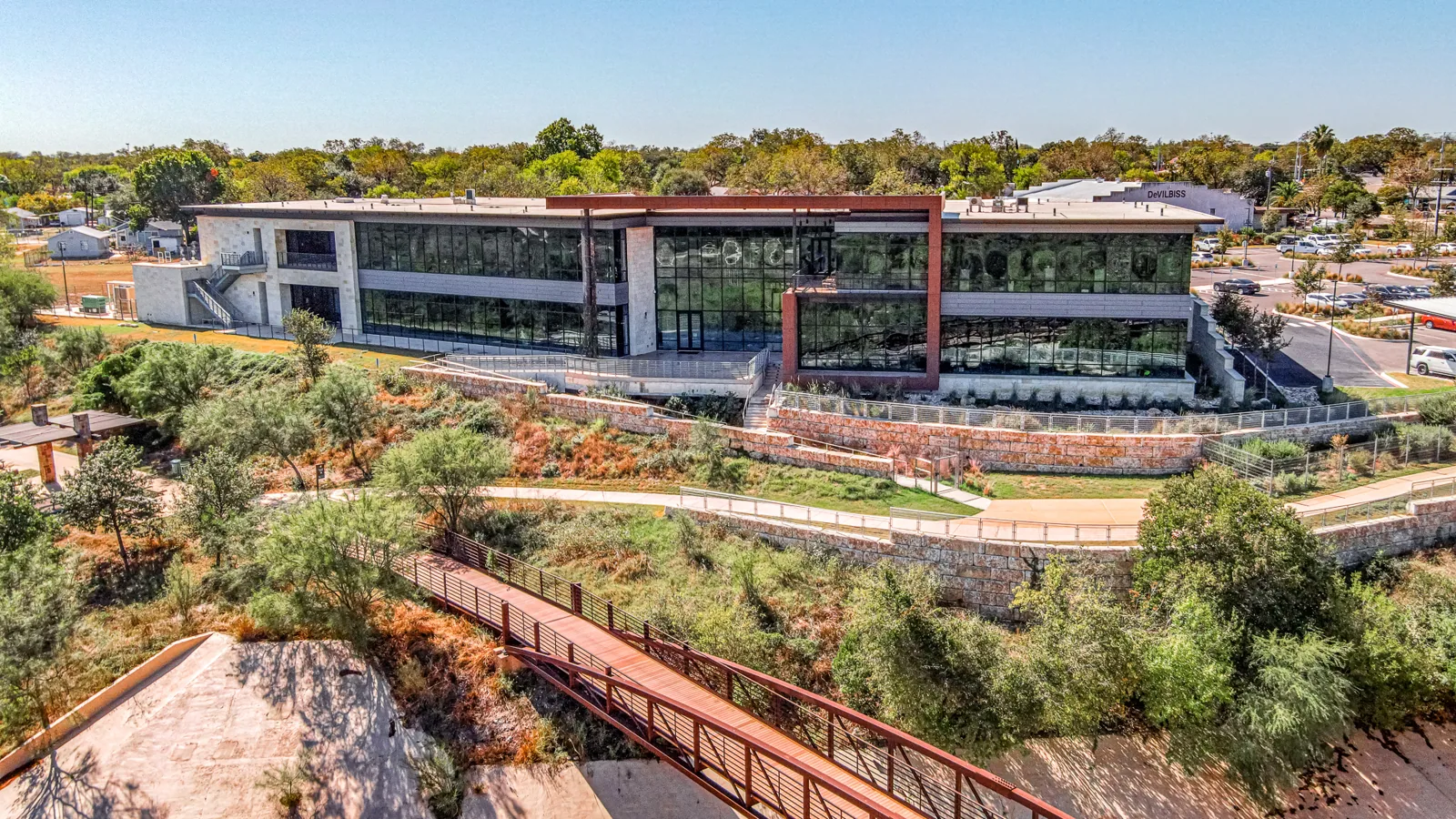
Scope Documents for the Procurement File
A bid package needs more than a list of leaks. We mark roof areas, identify the assembly where it can be confirmed, photograph details, quantify known repairs and identify concealed conditions that may need an allowance or test opening. The scope distinguishes a repair from replacement, lists alternates only when they compare real options and states what is excluded. A condition report can provide the maintenance team and procurement staff with the same field record. Some Joliet commercial projects require plans bearing a seal from an Illinois-licensed professional; the building department sets applicable local reviews. We flag that design responsibility before the bid calendar is fixed.
Joliet applies the 2015 International Building Code with local amendments. Its commercial energy guidance also places privately funded work under the amended 2024 Illinois Energy Conservation Code, effective November 30, 2025. Public procurement may involve additional owner standards, so the agency's design lead identifies the applicable path. We document existing insulation and deck condition, then note questions that should be resolved before bidders price the assembly. The construction documents can then establish roof system, attachment, drainage, edge and flashing requirements without relying on an assumption from the field walk.
Keep Public Services Reachable
Roof access can cross visitor entrances, fleet yards, service counters, parks operations or emergency routes. We confirm the department's operating hours, public access zones, loading locations, security rules and delivery restrictions before mobilization. A crane setup or material staging area can change how a public entrance works, so the site plan needs a clear exclusion area and an alternate path where needed. Work phases identify the roof zone open that day and the point where it will be closed against weather. A phased occupied-building sequence can coordinate protection, notices and daily dry-in with agency staff.
Will County treats the Elwood/Joliet area as a connected freight subregion and focuses transportation investment on freight-oriented roads. A public facility near a freight route still needs its own delivery plan, gate rules and parking limits. We review the actual building access with the assigned project contact. In the Joliet-Elwood study area, the planning boundary is broad; the department's access rules decide when a truck, lift or crew can enter.
Repair Response and Capital Planning
When water enters a public building, the agency may need temporary protection while procurement and approvals for permanent work continue. We trace the water path across membrane, seams, curb corners, drains and wall transitions, then mark what can be corrected under the immediate scope. If moisture extends into insulation or the deck, an opening can confirm the repair boundary. The record distinguishes emergency work from a larger contract so the agency can assign funding and approvals. Emergency roof response is available around the clock, while replacement planning establishes the permanent scope and work sequence.
A capital program can group roofs by condition and procurement readiness, not only by budget year. We identify the items that need design or testing, those ready for a contractor price and those suitable for routine maintenance. Cost drivers include tear-off, insulation, deck repair, drainage, edge metal, curb work, access and temporary protection. A roof capital plan can show how those decisions relate to the agency's service calendar. The file should make it clear which costs are quantities and which remain allowances for concealed field conditions.
Regional Exposure and Property Evidence
At the Brandon Road Dam station, annual precipitation averages 38.03 inches. A public works team can use that climate baseline to ask whether drainage and roof maintenance records are current, but the observation at each building sets the repair scope. NWS Chicago's July 2023 records describe a tornado path through Minooka, Shorewood and Joliet, alongside separate hail and wind reports around I-80 and the Kankakee River Valley. Those regional conditions do not replace an inspection at a school, office or public facility. We identify the roof sections inspected, photograph any opening or impact actually found, and note which conditions need a closer test. A storm damage review can organize observations by building and zone.
When work is weather-sensitive, the agency needs to know how much roof can be opened during a shift and what materials or temporary closures are planned. We include dry-in checkpoints and identify conditions that could stop work safely. A roof section stays out of service until the assembly is closed and the department contact confirms access below. Maintenance staff can receive a roof plan with drain checks, completed flashing, open items and the next inspection point.
Contractor Handoffs and Closeout
Public projects often bring a designer, roofing contractor, mechanical trades, inspectors and facilities staff to the same roof. We mark each curb, support and penetration that requires another trade, then identify who restores the flashing and when. Deliveries, crane picks and shutdowns need a responsible contact and a confirmed date. A general contractor trade handoff can put those responsibilities in the work sequence. For a multi-building agency, a portfolio roof record helps retain the closeout photographs and maintenance recommendations for the next budget cycle.
The county's Route 53 planning alignment follows Historic Route 66 from I-80 in Joliet west to the Godley county line. For public agencies serving areas along that broad roadway, traffic and access questions remain building-specific. We confirm the site entrance, staging, pedestrian routes and fire access with the agency before work begins. Closeout documents completed areas, repaired drains and edges, any outstanding trade return and recommendations for monitoring. Commercial Roofers Joliet can walk the scope with maintenance and procurement staff so the bid documents and field sequence describe the same work.
Commercial Roofing Questions
What should a public roof bid scope include?
It should identify the roof zones, assembly where confirmed, repair quantities, access limits, dry-in plan and unresolved conditions. We also separate design questions, allowances and alternates so bidders price against a clear boundary.
When are sealed documents needed?
The agency's design lead and local code reviewer determine the required documents for the project. Commercial building work in Joliet may require documents sealed by an Illinois-licensed professional, so we flag design responsibility before procurement dates are set.
Can an agency handle a leak before a capital project is approved?
We can document and address an immediate roof condition separately from permanent replacement. The response scope records the affected area and temporary or permanent work completed, while the capital package retains the broader assembly decisions.
How should multiple municipal roofs be prioritized?
A current condition record can separate active water entry, repairs, testing needs and replacement candidates. We keep each building's access, assembly and repair quantities distinct so the agency can sequence procurement based on service risk and project readiness.
Does the regional tornado report confirm damage to a public building?
No. It provides regional weather context. We inspect the public building itself, photograph visible conditions and mark any area that needs a closer opening before the agency assigns a repair scope.
Prepare the Public Roof Scope
Arrange a roof walk with Commercial Roofers Joliet and your facilities contact. We will document roof zones, identify design or access questions and outline a repair or replacement scope that can move into procurement.
