
Commercial Roofing Services
ROOFING SERVICES
Commercial Roof Leak Repair
Emergency Commercial Roof Repair
Commercial Roof Repair
Commercial Roof Inspection
Commercial Roof Maintenance
Commercial Roof Coating
Commercial Roof Replacement
ROOF SYSTEMS
TPO Roofing
EPDM Roofing
PVC Roofing
Modified Bitumen Roofing
Standing Seam Metal Roofing
PROPERTY TYPES
Warehouse Roofing
Distribution Center Roofing
Office Building Roofing
School Roofing
INDUSTRIES
DAMAGE REPAIR
CAPABILITIES
MANUFACTURERS
SERVICE AREAS
Solar-Ready Commercial Roofing in Joliet, IL
Commercial Roofing Services
Prepare a commercial roof in Joliet for solar with assembly review, attachment planning, service paths and trade coordination before array installation.
Solar-Ready Commercial Roofing
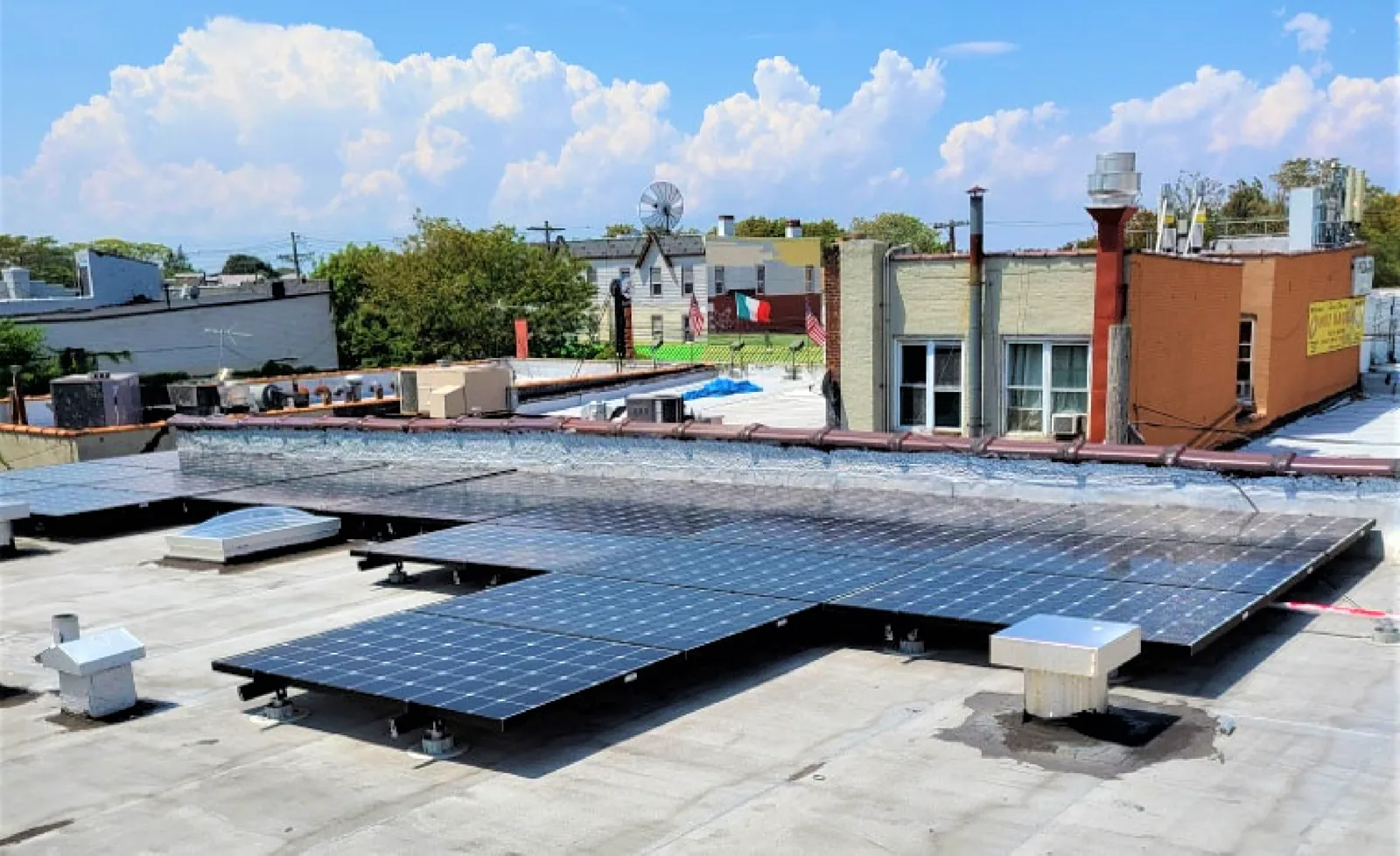
A solar layout can fit on paper and still conflict with drains, rooftop units or the roof's next replacement date. We review the existing assembly, attachment assumptions, roof access and service paths before the array is installed. For a Joliet property, snow, summer heat and documented regional hail and wind all belong in the roof discussion alongside the solar design. Our scope identifies areas needing repair or replacement first, then coordinates penetrations, supports and trade access with the solar contractor. The goal is a roof and array layout that can be maintained without burying a known defect or blocking a drain.
Roof Life Before Array Layout
Before panels or rails are planned, we inspect seams, flashing, drains, insulation, attachment and previous repairs. Wet insulation or widespread membrane failure can make a new roof project the better first step. The roof should be able to perform through the planned solar term, and the owner needs to understand whether reroofing later would require array removal. We mark conditions that must be corrected and keep unknown areas separate until testing confirms the assembly.
Joliet has 22 business and industrial parks, with logistics and manufacturing central to its industrial base. Those properties can have large roof areas, but their actual roof condition varies by building. We inspect the specific assembly, not the use or footprint. A roof inspection can document field conditions, while replacement planning can establish the attachment surface before solar equipment arrives. The project team can then compare array layout with drains, curbs, walkways and future repair access.
Attachment, Ballast, and Roof Penetrations
Solar equipment transfers load to the roof through attachments, supports or ballast. The roofing and solar scopes need to identify how each support interacts with the membrane, insulation and deck. Structural design is handled by the responsible design professional; we coordinate the roof details and confirm that penetrations can be flashed into the specified assembly. A rail foot cannot be allowed to crush the membrane or create a low pocket that holds water. We mark each interface and record who installs, flashes and inspects it.
Romeoville's employment centers include warehousing, distribution and manufacturing corridors, where equipment access and active building operations may affect the install sequence. We coordinate crane picks, rooftop staging and electrical trade access with the general contractor. The equipment support scope can help align penetrations and roof supports before rails are installed. If the roof uses a thermoplastic membrane, the TPO assembly details need to remain compatible with flashing and attachment work. The solar contractor's drawings should identify array setbacks and service paths before materials are released.
Snow, Heat, and Severe-Weather Review
In the Joliet climate record, 16.9 inches is the annual snowfall average, and 125.8 days have minimum temperatures at or below freezing. A solar-ready survey uses that seasonal context to inspect support clearances, drain access and the membrane transitions that an array could later make harder to reach. We compare the proposed service-walk and attachment layout with measured roof conditions, then mark any area that needs repair before installation. Structural design and the selected roof assembly govern the final attachment detail.
A July 2023 tornado crossed Minooka, Shorewood and Joliet, and hail and wind were reported in the I-80/Kankakee River Valley area. The event history does not certify a roof for solar loading. Before rails or supports are attached, we document this roof's field condition, perimeter and drainage access; after installation, a reported concern is inspected in place because equipment can limit access. The record identifies observed damage or unresolved areas for the project team without assuming the array or every roof zone was affected. Related project details: hail damage review drainage corrections
Trade Handoffs and Operating Windows
We plan the work sequence with the general contractor, electrician, solar installer and property contact. The roof may need repairs before rails go down; penetrations must be flashed when they are made; and temporary openings need protection through each shift. We confirm roof access, material staging, crane timing, equipment shutdowns and emergency paths. If an occupied facility needs deliveries to continue, the array installation and roofing work must keep the loading route open.
When an array spans roof zones, record each block, flashing date and accepted penetration. Later service visits can then distinguish a solar attachment from the roof work boundary and identify which trade should review a new opening. We coordinate the roof portion with the property schedule rather than assume one sequence works at every address. For operations that stay open, an occupied-building work plan sets boundaries below and above the roof. We photograph concealed flashing and keep a list of array locations that require future access. That record gives maintenance staff a way to discuss roof work with the solar service team.
Documents to Resolve Before Procurement
Before procurement, align the roof plan, array layout, structural review, electrical route, attachment details and code documents. The owner should know which trade carries roof penetrations, how flashing is inspected and who restores the membrane if future service requires array movement. We mark the roof scope by zone and note any wet insulation, weak attachment or drain work that needs completion before installation. Those items change both the schedule and the safe work area.
Privately funded commercial facilities in Joliet follow the Illinois Energy Conservation Code; the amended 2024 IECC took effect November 30, 2025. We coordinate roof assembly questions with the design team so the solar package and roofing documents describe compatible work. A roof capital plan can compare near-term reroofing with the timing of a solar project. For properties in the Joliet-Elwood freight area, the site contact can resolve access and crane windows before the project team locks procurement. Schedule a roof walk, and we will identify the field conditions that must be settled before panels arrive.
Commercial Roofing Questions
Should the roof be replaced before solar panels are installed?
That depends on the roof's condition and the expected timing of replacement. We inspect seams, insulation, attachment, drains and flashing, then identify work that should be completed before an array limits access. If the roof is near the end of its service life, coordinating replacement first can avoid array removal for later roof work.
Who flashes the solar attachments into the membrane?
The contract documents should assign that task clearly. We coordinate attachment locations and roof-system details with the solar installer and general contractor, then identify who installs and inspects each flashing transition. The membrane, support and array plan need to match before work begins, especially where future service will require access.
Can panels block roof drains or walk paths?
Preserve access to drains, scuppers and equipment service routes in the array layout. We review the array plan against the roof's drainage pattern and mark any conflict before supports are installed. If an outlet is hard to reach after the array is placed, routine maintenance and leak response become more difficult.
What roof details need to be decided before the crane arrives?
Confirm roof condition, support locations, flashing method, staging zones, lift path, temporary dry-in and building access. We also coordinate trade responsibility for penetrations and membrane repair. A roof walk with the project team can resolve those field questions before equipment is lifted onto the building.
Can solar work proceed while a warehouse is operating?
It can be sequenced around operations when crane picks, loading routes, roof access and shutdown windows are agreed in advance. We coordinate the roofing boundary with the facility contact and solar installer. Weather, roof repairs or concealed conditions can change the sequence, so the daily work area needs a clear dry-in plan.
Walk the Roof Before the Array
Arrange a roof walk with the general contractor and solar installer. We will review roof condition, attachment locations, drainage and the work sequence before procurement.
