
Industries We Serve
ROOFING SERVICES
Commercial Roof Leak Repair
Emergency Commercial Roof Repair
Commercial Roof Repair
Commercial Roof Inspection
Commercial Roof Maintenance
Commercial Roof Coating
Commercial Roof Replacement
ROOF SYSTEMS
TPO Roofing
EPDM Roofing
PVC Roofing
Modified Bitumen Roofing
Standing Seam Metal Roofing
PROPERTY TYPES
Warehouse Roofing
Distribution Center Roofing
Office Building Roofing
School Roofing
INDUSTRIES
DAMAGE REPAIR
CAPABILITIES
MANUFACTURERS
SERVICE AREAS
Commercial Roofing for Insurance and Restoration Work in Joliet, IL
Industries We Serve
Document Joliet roof storm conditions with marked photos, repair quantities and separate scopes. Coordinate water control and restoration sequencing.
Commercial Roofing for Insurance and Restoration Work
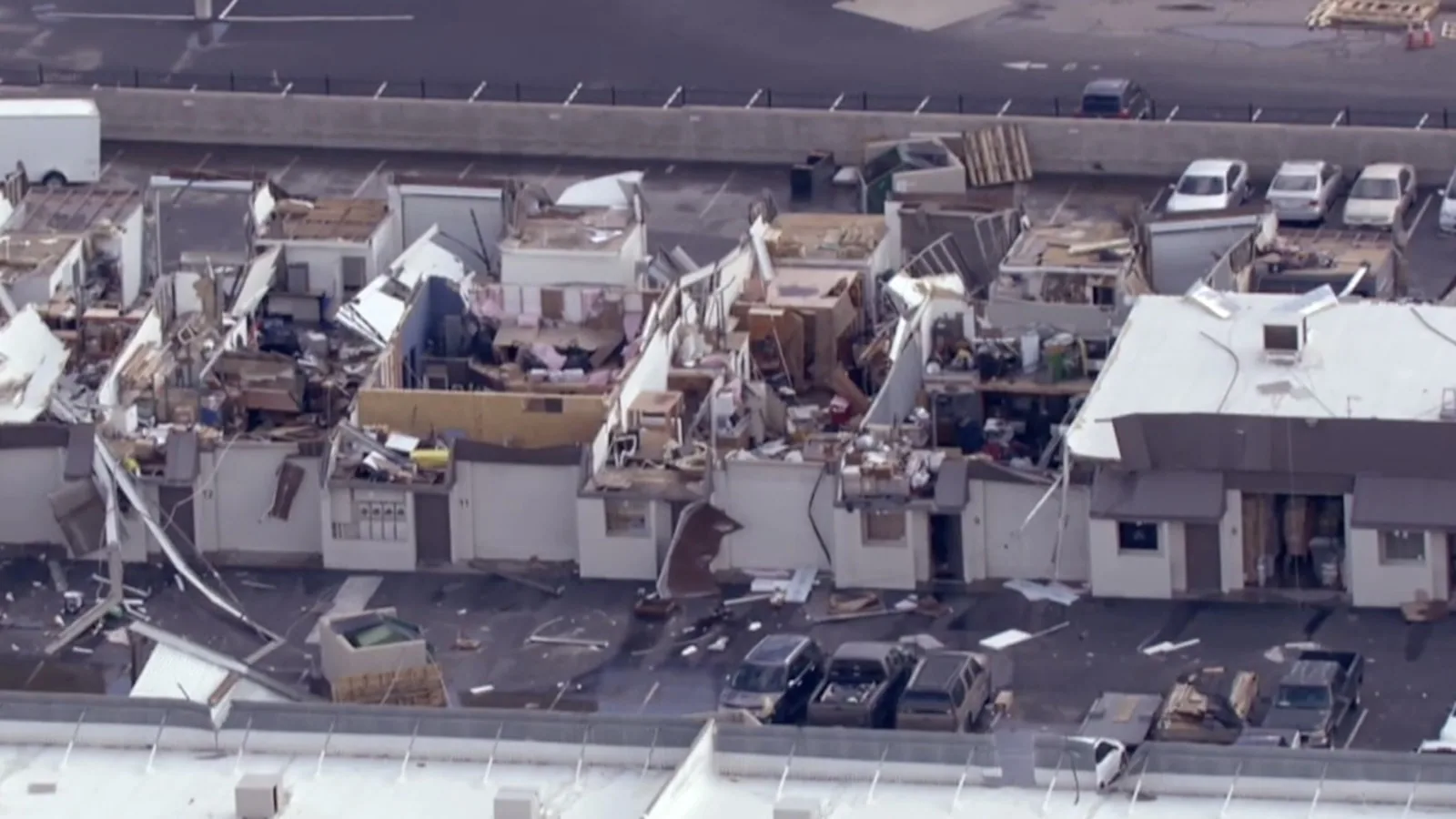
A restoration file can slow down when the roof photographs do not identify the building area or repair boundary. In Joliet, we inspect commercial roofs after reported hail, wind or tornado exposure, mark the areas reviewed and separate visible conditions from items needing a closer opening. The field record covers membrane, metal edges, penetrations, rooftop units, drains and prior patches, with photos tied to the roof plan. It can document a repair scope without predicting an insurer's decision. NWS Chicago's July 2023 summary documents severe weather across the Joliet-area market, including a tornado path through Minooka, Shorewood and Joliet. The record helps date an intake request but cannot connect a loss to a property without inspection. A roof claim documentation visit can organize findings for the owner and restoration team. We schedule a walk in Joliet with the building contact and confirm access before arrival.
Separate Storm Observation From Existing Wear
Hail can mark a metal edge, puncture an exposed membrane or leave a pattern that needs further review. Wind may lift flashing, loosen edge metal or expose a seam. The inspection records each observed condition by roof zone, with close photographs and an overall view for location. We also note existing patches, weathering and areas where the assembly cannot be assessed from the surface. That distinction helps the owner understand what was found without converting a weather report into a claim conclusion. A marked condition report can state the observation, repair quantity and next inspection step. When the roof is opened, the file should capture the exposed layers before replacement, note who authorized the added work and tie each quantity to the marked area. This gives the restoration lead and owner a clear record of why the final scope differs from the first estimate. This also makes it easier to separate insurer paperwork from the contractor’s measured work scope.
A July 2023 NWS Chicago record lists the Minooka, Shorewood and Joliet tornado path. For restoration intake, hail, wind and tornado observations remain separate file items until the site walk identifies which conditions are present. For each reported loss, the file stays tied to one address and one inspected assembly. After a storm call, we inspect the actual roof and do not extend the event path to other properties. If the reported loss involves Minooka or Shorewood, the file still records the specific address, roof assembly and evidence observed there.
Control Water Before Permanent Repair
Water entry can continue while the owner, adjuster and restoration trades assemble a scope. We identify the affected interior area, inspect the likely roof path and document temporary protection separately from permanent work. At seams and penetrations we check laps, curb corners, pipe boots, wall transitions and the surrounding membrane. Drains and scuppers are checked for blockage or damage that may hold water near the reported area. If wet insulation or deck is suspected, we mark a test opening for approval. Emergency roof response can provide around-the-clock assistance, followed by a written repair boundary and closeout record.
Brandon Road Dam normals list 38.03 inches of precipitation and 16.9 inches of snowfall yearly; the record also counts 125.8 freezing-minimum days and 14.9 annual days reaching 90°F. The weather series helps frame seasonal review timing; the inspection describes the roof in front of us. Those conditions can test drainage, flashing and seasonal repairs, but the inspection describes the roof in front of us. We photograph standing water, open details, loose metal and membrane conditions, then note whether a temporary measure needs a return visit after weather clears.
Repair Quantities and Replacement Alternatives
A repair estimate should identify the affected area, material, detail and labor sequence. We mark how much membrane or flashing must be removed, whether insulation or deck repair is anticipated and what nearby details may need to be opened. If damage is confined to a small area on a sound assembly, a targeted repair may be appropriate. If multiple zones show displaced attachment, wet insulation or failed perimeter details, the owner may need a broader replacement comparison. A commercial roof repair scope keeps those quantities distinct from replacement planning.
Joliet enforces the 2015 International Building Code with local amendments, effective September 10, 2018. Its commercial building guidance says projects may require documents sealed by an Illinois-licensed professional. Where a storm restoration moves into larger roof work, the owner and design team should resolve applicable review and code questions before procurement. The estimate can identify known repairs and allowances separately, while the project documents settle design, insulation and attachment requirements.
Adjuster, Owner, and Trade Records
Different participants need the same roof location to mean the same thing. We use marked plans, photo labels and repair descriptions that connect each observed condition to a roof zone. If a mechanical contractor must move an HVAC unit, or a restoration crew will replace interior finishes, the roof scope records the handoff and temporary protection. A general contractor's trade sequence can assign who opens, protects and restores each curb or penetration. The roof file should also identify conditions that were not visible and the test needed to confirm them.
Cost and timing follow access, tear-off depth, disposal, equipment, material availability, dry-in and how many areas can be completed in a shift. A phased restoration plan can keep work aligned with tenant operations, while the building manager confirms access and notices. The Elwood/Joliet intermodal plan focuses on freight-oriented road investment. That regional context can inform delivery questions, but the property contact determines the actual gate, truck route and staging area.
A File for the Next Roof Decision
After repairs, the closeout should show where work was completed, which materials or flashing details were restored and what remains under observation. We provide photographs and a marked roof area, then note any return inspection that depends on weather or another trade. The report can separate damage observations, maintenance items and unresolved questions so the owner has a usable record for later budgeting. A property management roof program can carry those records across buildings while leaving each property's storm history distinct.
For a portfolio spanning Romeoville or Shorewood, each inspection still needs its own roof plan and access confirmation. We do not treat the Joliet storm track as proof that another town's roof received damage. The field visit establishes the condition at that site. Commercial Roofers Joliet can meet with the owner or restoration lead, reconcile the observed roof areas with the planned repair scope and identify the dry-in and trade decisions that control schedule.
Commercial Roofing Questions
Can an inspection say whether an insurer will cover a roof claim?
Our report documents roof conditions, photographs and repair quantities. Coverage decisions belong to the policy and insurer. We describe what was observed at the property and identify any concealed condition requiring additional investigation.
What should be recorded after a Joliet hail event?
We mark the inspected roof zones, photograph membrane, edges, penetrations and equipment, and list repair or test areas separately. The regional event provides context; the property inspection records its actual condition.
Can temporary water protection be separated from permanent repair?
Yes. We identify immediate containment, the suspected entry path and the permanent work needed to restore the assembly. The record shows what was completed and whether a return visit is required.
When does storm restoration become a replacement project?
The decision depends on damage extent, moisture below the membrane, attachment, deck condition, perimeter details and the roof's existing repair history. We mark those findings and price known repair work separately from replacement options.
How do you document damage above an occupied tenant?
We confirm access with the property contact, protect the area below and map each roof condition to a marked plan and photograph. Work zones and daily dry-in are coordinated with the building schedule.
Document the Roof Condition
Arrange a roof inspection with Commercial Roofers Joliet and the property contact. We will mark observed damage, separate immediate water control from permanent work and provide a repair boundary the restoration team can review.
