Roofing Capabilities
ROOFING SERVICES
Commercial Roof Leak Repair
Emergency Commercial Roof Repair
Commercial Roof Repair
Commercial Roof Inspection
Commercial Roof Maintenance
Commercial Roof Coating
Commercial Roof Replacement
ROOF SYSTEMS
TPO Roofing
EPDM Roofing
PVC Roofing
Modified Bitumen Roofing
Standing Seam Metal Roofing
PROPERTY TYPES
Warehouse Roofing
Distribution Center Roofing
Office Building Roofing
School Roofing
INDUSTRIES
DAMAGE REPAIR
CAPABILITIES
MANUFACTURERS
SERVICE AREAS
Multi-Site Commercial Roof Programs in Joliet, IL
Roofing Capabilities
Coordinate roof inspections and repairs across Joliet, IL properties. We keep building-level findings distinct while aligning access, scheduling and records.
Multi-Site Commercial Roof Programs
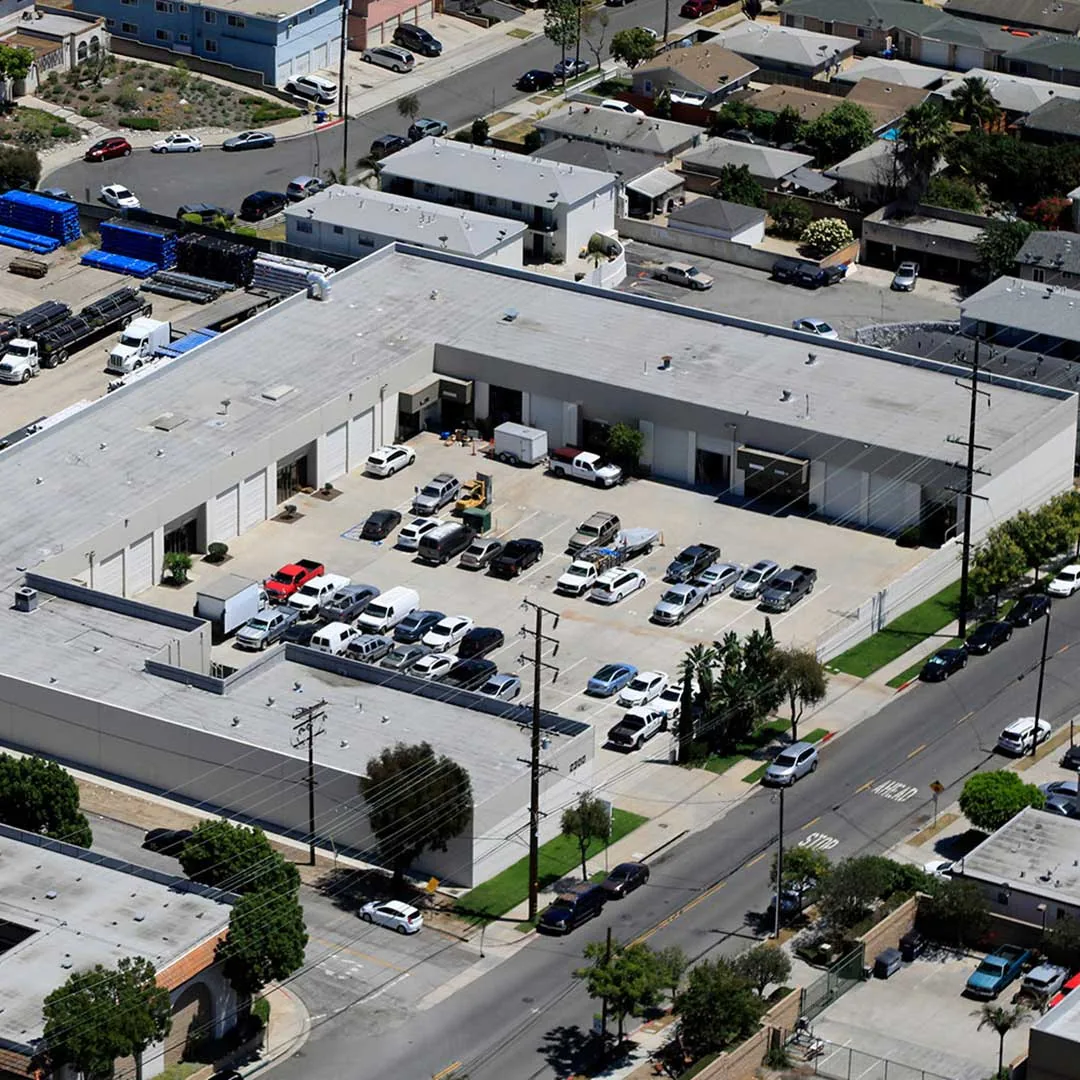
A multi-building roof program should use one schedule without treating every property as one roof. In Joliet, IL, an owner may manage logistics, manufacturing, retail and office buildings with different assemblies, access rules and repair histories. A portfolio with roofs in Joliet, Plainfield and Romeoville may fit one owner report while still containing different ages, uses and access rules. Each municipality is a separate property record; proximity does not make two assemblies interchangeable. We set inspection and repair dates by building, then combine the records only after each property has its own condition and next action. A roof asset inventory gives each field finding a property and section label.
One Calendar, Separate Roof Scopes
We begin with the properties, roof access contacts and operating windows the owner wants in the program. Each building receives its own roof plan, assembly observations, test locations, access notes and open items. A distribution property may need a delivery window, while an office building may need notice to tenants or restricted roof entry. The program calendar aligns crew visits without blending those requirements. If one property cannot be accessed, its inspection remains pending instead of inheriting the condition of a nearby building.
For a portfolio spread across the Elwood-Joliet area, the county freight plan offers context about regional movement. We use it to prompt property-level questions, not to copy one access assumption across the list: each site needs its own gate hours, truck turns, dock conflicts and staging limits recorded before dates are grouped. We confirm truck turns, loading patterns, lift positions and laydown areas at each site before assigning the same crew or delivery date across the list.
Owners can group the program by service need: inspection, drain cleaning, leak repair, storm review or replacement scoping. The work order names the building, roof zone and sequence. A commercial roof inspection can establish a baseline, while a maintenance visit can handle recurring checks at selected properties.
Consistent Records Without False Comparisons
A common record format helps compare work, but assemblies and field conditions must remain distinct. We log visible membrane or metal type, drainage, perimeter, penetrations, prior patches, moisture tests and repair dates by roof area. A later addition or different deck receives its own label. The portfolio summary can report a status and next action, while the attached photos show the actual site condition. This lets an asset manager compare readiness without assuming that the same age or use means the roofs will need the same work.
A portfolio summary can carry a local planning baseline without making every building share the same risk. The county's long-range freight plan treats the Elwood-Joliet area as a connected transportation subregion. For a portfolio, that is a reminder to ask each site about truck entry, dock windows and lift access rather than copying one property's logistics notes to another. We also keep weather-related inspections building-specific: a regional storm report may help set the review date, but only a roof walk can confirm displaced metal, a puncture or an open seam at a particular address.
A condition report links the photos, repair boundary and open questions to the correct property. If a test opening is still needed, the portfolio list shows the pending step instead of presenting an unconfirmed repair area as complete.
Repair Packages and Procurement
We can group similar tasks for scheduling, but the scope stays property-specific. A drain repair package identifies each bowl and nearby membrane detail; a replacement package lists tear-off, deck review, insulation, flashing and perimeter items for the building it covers. Access equipment, crane picks, disposal, deck repairs and rooftop equipment handoffs change the work and lead time. The bid documents should separate base scope, alternates and concealed-condition allowances for each roof.
A recover is evaluated per assembly, with checks for moisture, attachment, layer count, added height and drainage. A roof that qualifies at one property may not qualify at another. A replacement scope uses each building's measurements and field findings to set quantities. For a high-priority leak, we can document temporary water control and coordinate permanent work while larger procurement moves through approvals.
Joliet's adopted building rules and Illinois Energy Conservation Code affect commercial replacement design and submittals. We align drawings, insulation selection and approval dates with the building owner and GC before material release. A capital planning review can organize which scopes are ready to bid, which need a test opening and which depend on a mechanical or structural trade.
Portfolio Reporting and Follow-Through
Each program update names inspected buildings, completed repairs, pending access, open test results and upcoming work. We attach dates and roof-area labels, so the report can be reconciled with work orders and property records. If a tenant or operations change affects roof entry, the next visit can be rescheduled without losing the inspection history. The owner receives a prioritized list of actions and the person responsible for the next decision.
Set a common status vocabulary before the first round. For example, separate inspected, access pending, testing needed, repair scoped, bid ready and work complete. A roof should move to complete only after the closeout record is attached; a scheduled visit is not an inspection, and a proposal is not a finished repair. This distinction gives finance and facilities teams a reliable view of commitments and unfinished work. When priorities change, record who approved the shift and which property moves to the next cycle. Include a due date and a named owner for each unresolved item so the portfolio review can produce decisions, not just another list.
When property records include warranty documents, tie them to the installed assembly and service history. Warranty management helps the facility team keep required maintenance and repair files with the right building. A due diligence survey can be added when a property enters or leaves the portfolio. Commercial Roofers Joliet can review the schedule with the owner and GC and start the next field round in Joliet.
Commercial Roofing Questions
How do you coordinate inspection dates across multiple buildings?
We build a calendar from each property's access contact, operating window, roof entry and lift or delivery limits. The dates can align when that helps procurement, but every report stays attached to its building. If access is unavailable, that property remains pending instead of receiving another site's findings.
Can one roof inspection format work for different properties?
A shared record structure can capture assembly, drainage, perimeter, equipment, repairs, photos and next action. The actual roof type and condition remain property-specific. We use consistent labels for reporting while preserving additions, elevations and different membranes as separate sections.
How should repairs be grouped for a portfolio?
Group similar work for scheduling, then list each building, detail, material and access need separately. A drain package, for example, should identify each outlet and adjoining membrane condition. The owner can align deliveries while keeping costs and concealed-condition allowances tied to the property where they arise.
What belongs in a portfolio roof dashboard or report?
Show the inspection date, properties included, roof-area status, active leaks, repairs completed, tests pending, access limits and next decision. Attach field photos and keep a link to the roof plan. That makes the status useful in a budget meeting without hiding building-level differences.
Can the program include a roof after a storm?
Yes. We inspect affected properties, record observed impact by roof area and separate temporary water control from permanent repair. A regional storm report does not change every building's condition. The owner receives a list of inspected sites and those still needing access or follow-up.
Coordinate the Next Portfolio Roof Round
Arrange a planning call and roof walk with Commercial Roofers Joliet. We will align access and inspection dates while keeping each building's repair scope, records and open questions distinct.
