Roofing Capabilities
ROOFING SERVICES
Commercial Roof Leak Repair
Emergency Commercial Roof Repair
Commercial Roof Repair
Commercial Roof Inspection
Commercial Roof Maintenance
Commercial Roof Coating
Commercial Roof Replacement
ROOF SYSTEMS
TPO Roofing
EPDM Roofing
PVC Roofing
Modified Bitumen Roofing
Standing Seam Metal Roofing
PROPERTY TYPES
Warehouse Roofing
Distribution Center Roofing
Office Building Roofing
School Roofing
INDUSTRIES
DAMAGE REPAIR
CAPABILITIES
MANUFACTURERS
SERVICE AREAS
Due Diligence Roof Surveys in Joliet, IL
Roofing Capabilities
Review roof condition before a Joliet, IL acquisition or refinance. We document assemblies, moisture tests, access and repair scope with photos.
Due Diligence Roof Surveys
A roof survey before closing needs a defined inspection boundary and a clear list of what could not be confirmed. In Joliet, IL, we inspect the roof field, perimeter, drains, curbs and visible repairs, then record the conditions that may affect near-term work. The Elwood/Joliet subregion is a designated critical freight area. For a transaction, that geography can explain why delivery access and operating hours deserve a question; it cannot establish roof age, assembly or condition. The buyer still needs the property's own roof survey. We tie findings to roof areas and separate observed defects from questions requiring a test opening. A photo-based condition report gives buyer, seller and lender a record for the transaction decision.
Inspection Scope and Property Access
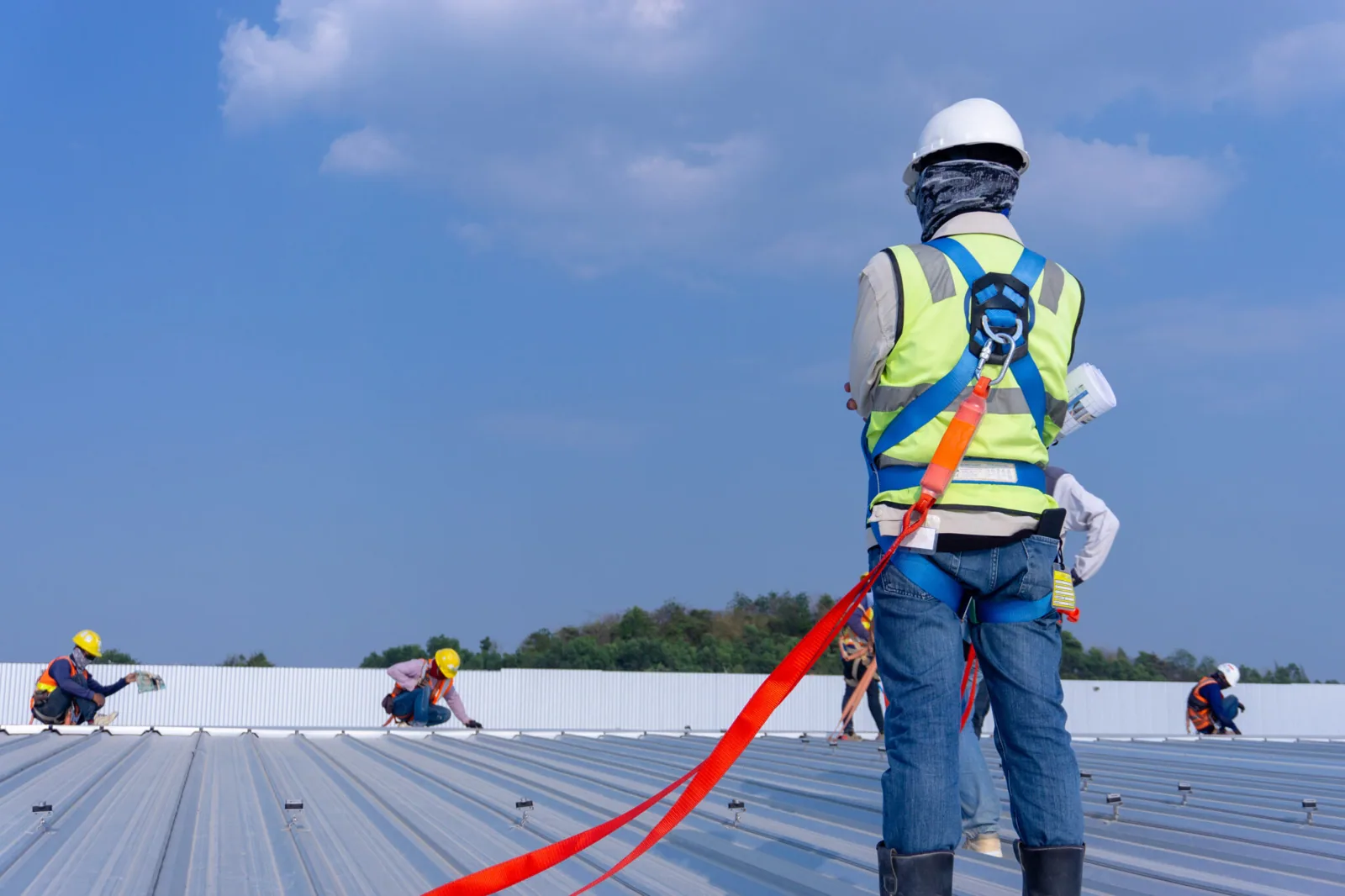
We confirm which buildings, roof sections and accessible areas are included before scheduling the walk. The survey notes roof access, safety restrictions, active equipment, occupied spaces and any surface hidden by snow or obstructions. We inspect seams, flashing, edges, drain bowls and penetrations, and photograph each concern with a plan reference. If the transaction deadline allows only a visual review, the report states that limitation rather than implying the assembly was opened.
The Elwood/Joliet freight area connects freight clusters with intermodal access. For a transaction survey, the building's loading pattern, roof access point and lift setup can affect what we can inspect. We coordinate with the property contact to reach representative areas without interrupting operations. If access is denied to a section or tenant-controlled room, that becomes an open item for the buyer's diligence list.
The scope also identifies whether the roof is a single assembly or includes additions, multiple elevations or different membranes. We note visible layers and prior repairs without assigning an installation date unless records support it. A commercial roof inspection can include selective openings when authorized, giving the buyer a stronger basis for a replacement allowance.
Each finding is labeled as observed, tested or pending. That distinction is useful when a lender, buyer and seller have different deadlines: it shows which question a second visit can close and which one requires a design or equipment record. We list the responsible contact for access and note the deliverable needed before the next review.
Moisture, Drainage and Repair Exposure
Water entry is recorded by reported location and roof finding, because the path may cross a seam or deck before reaching the interior. We inspect nearby curbs, wall transitions and drains, then identify areas for moisture testing. An infrared reading can select a core location; the opening confirms the layers and deck at that point. We label confirmed wet insulation separately from a suspected area, and show where dry material begins when the opening establishes the boundary.
A typical Joliet year records 38.03 inches of precipitation and 16.9 inches of snow. Use those local normals to frame drainage questions, then rely on current roof observations for a buyer's diligence list. Those conditions frame drainage questions, not a roof-condition finding. The survey records which drains and low transitions were actually observed after weather exposure, and identifies any location that needs an opening before a buyer prices concealed material. We inspect bowls, strainers, overflow paths and membrane tie-ins, and note if ponding remains after the outlet clears. The buyer can distinguish routine drain maintenance from a detail repair or a slope correction that may add scope. A moisture survey can add test locations when the roof is broad or the transaction requires a closer look.
We list repair items by roof area and describe temporary water control separately from permanent work. If a seller has invoices or warranty papers, we compare the reported scope to the visible repair without assuming those records prove the whole assembly's condition. The transaction file should show both the roof findings and the documents reviewed.
Near-Term Work and Capital Allowance
The survey identifies work that may need attention soon, but it does not replace a contractor proposal or a concealed-condition opening. We describe the repair boundary, material, access and trade dependency so the buyer can request a defined follow-up scope. If wet insulation or attachment loss crosses several areas, we note a replacement option and the test needed to set quantities. Where a recover may be possible, the report lists moisture, layer count, deck, drainage and height checks that still need confirmation.
Cost and timing depend on tear-off depth, deck repair, insulation, perimeter metal, drains, equipment lifts, disposal and access. Before the buyer treats an assembly change as ready for pricing, have the owner's design lead confirm applicable Joliet review requirements and Illinois energy-code documents. A capital planning review can place the documented work into a post-close budget sequence, while a replacement proposal prices the measured scope when the owner is ready.
For a distribution property or other industrial asset, loading operations and staging may limit repair hours. A warehouse roof survey can tie that access need to the building's work zones, but each property receives its own observations. The buyer should keep proposed work separate from verified field findings when comparing transaction costs.
Storm History and What the Roof Shows
NWS Chicago's July 2023 log places a tornado track through Minooka, Shorewood and Joliet and records damaging hail and wind near the I-80 and Kankakee River Valley. A buyer's survey still treats each roof as unverified until its own membrane, edge metal and equipment areas are inspected. A transaction survey records the roof's observed condition, including punctures, displaced metal, lifted flashing and equipment impact. The regional event does not establish a claim or damage at the property. We photograph current findings and note whether a test opening or claim file is needed before the buyer relies on a repair assumption.
Local normals count 125.8 freezing-minimum days and 14.9 days with 90-degree highs each year. For closing, we flag weather-sensitive openings and follow-up access separately from the condition rating. For a closing schedule, we flag weather-sensitive openings and follow-up access separately from the condition rating, so a missed inspection window is not mistaken for a clean roof. We identify whether inspection access was limited by weather and whether an additional visit is needed before closing. The report gives the buyer a practical list of questions tied to the roof itself.
A roof asset record can store the survey, photos, repairs and open items after the transaction. Commercial Roofers Joliet can walk the property with the buyer's representative and review scope questions in Joliet.
Commercial Roofing Questions
Can a visual roof survey set the buyer's full repair budget?
It identifies visible conditions, access and areas where testing or a detailed proposal is needed. Concealed deck or insulation damage may change quantities after opening. We state which findings are confirmed and separate them from allowances so the buyer can decide whether more investigation is warranted before closing.
What should a due diligence roof report show?
Show the buildings and roof sections included, access limitations, assembly observations, dated photos, moisture tests, drainage, perimeter conditions and repair recommendations. Open questions should name the test or record needed to resolve them. That helps the buyer distinguish immediate work from a longer-term capital item.
Will an infrared scan identify every wet area?
No survey method removes the need to confirm selected conditions. Infrared readings can help locate test openings, and a core shows the assembly at that point. We document the method and limits so the transaction team does not treat an untested area as confirmed dry or wet.
Can the seller's roof invoices be used for the survey?
We can review the records alongside visible work and note where a prior repair appears on the roof. An invoice does not establish the condition of adjoining areas. The survey marks whether the installed detail can be identified and what additional opening or document would resolve a question.
How should a roof survey handle denied access?
We record the area that could not be inspected, why access was limited and what follow-up is needed. The buyer can request another visit or price an allowance. The report does not transfer findings from an accessible section to an area that remained closed.
Schedule the Transaction Roof Survey
Arrange a roof walk with Commercial Roofers Joliet. We will confirm the inspection boundary, document visible conditions and list the test openings or records needed before the transaction decision.
